Hound Dog
unjammable Air attack from beyond enemy SAM range


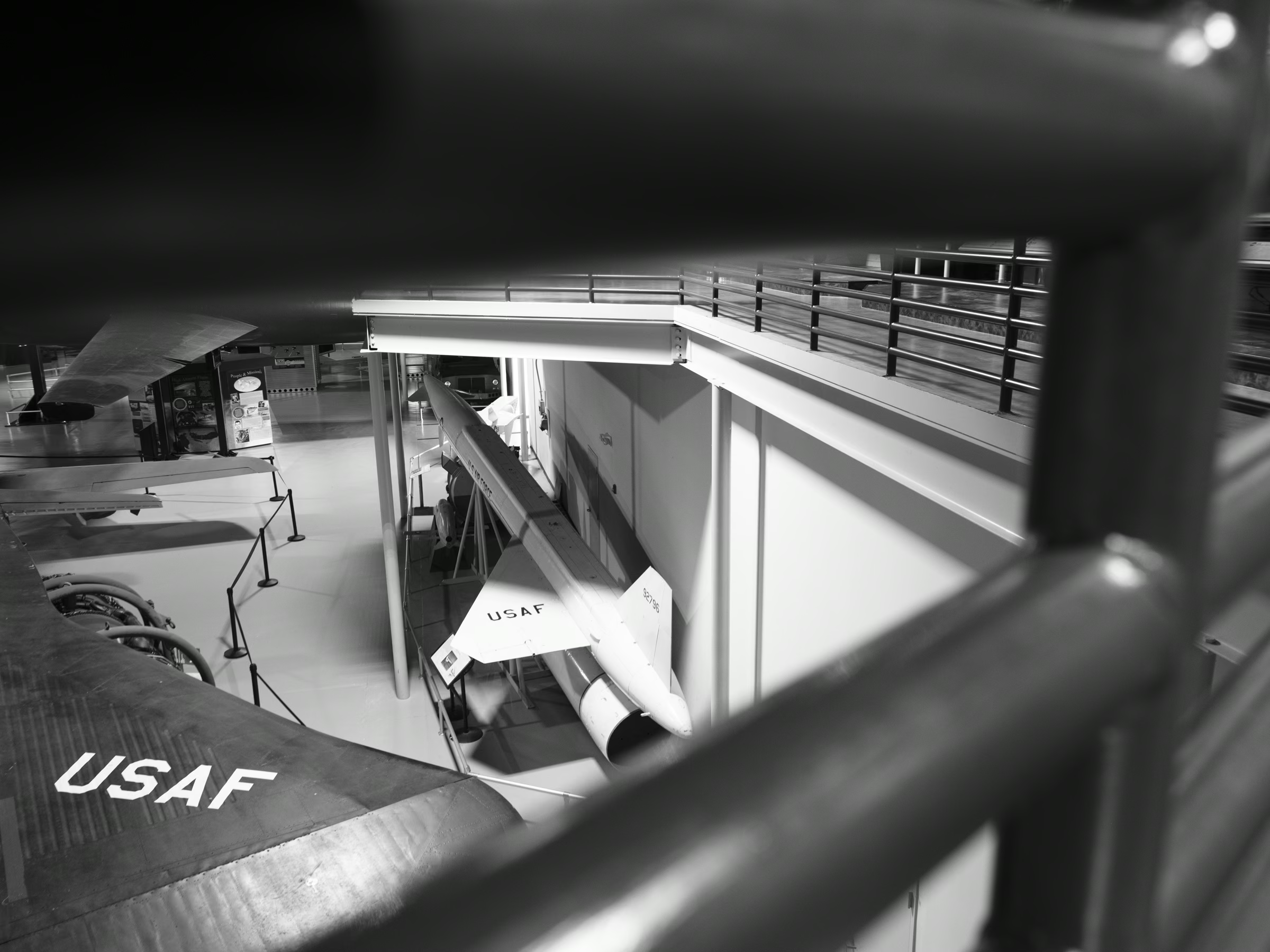
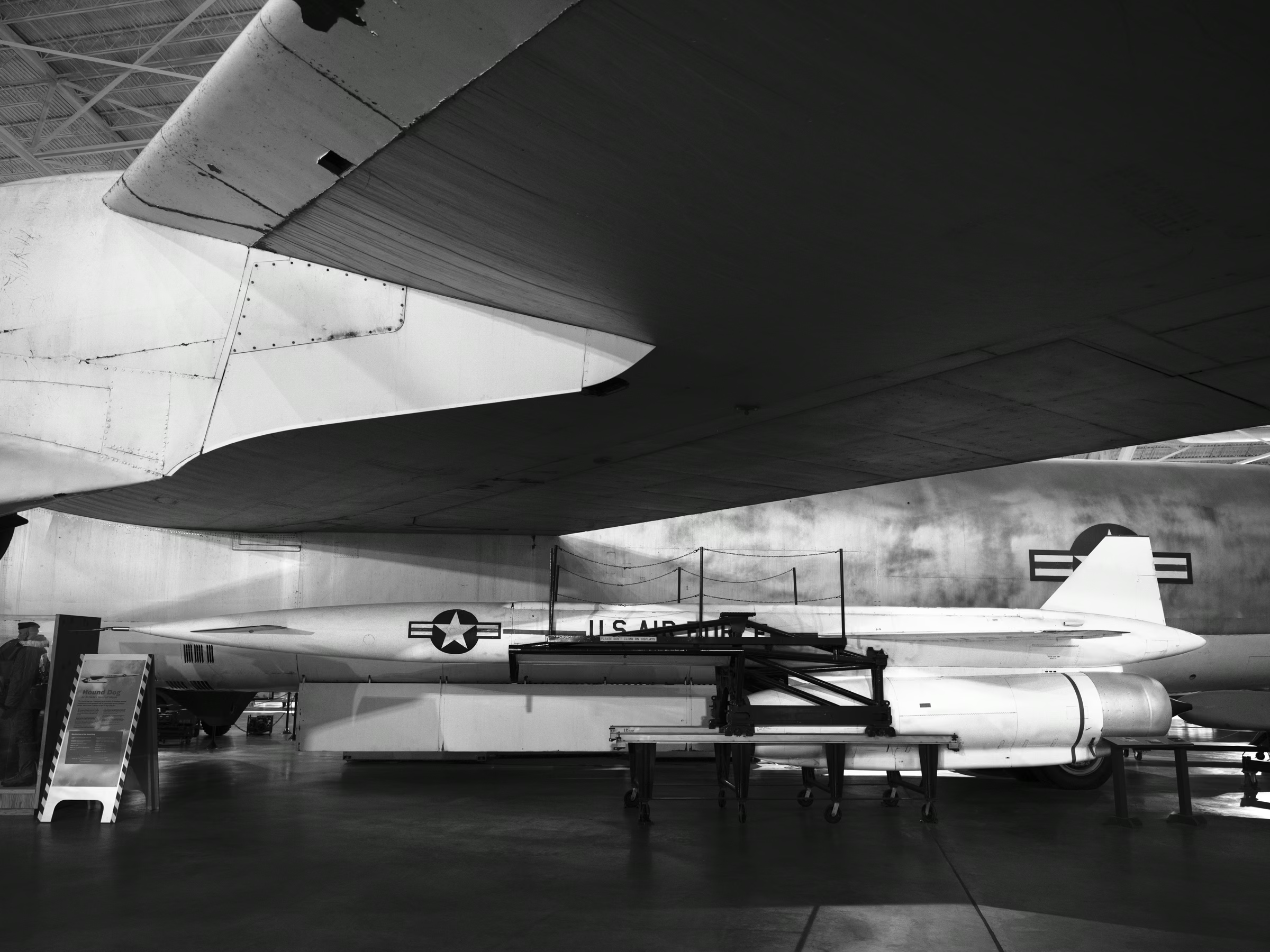
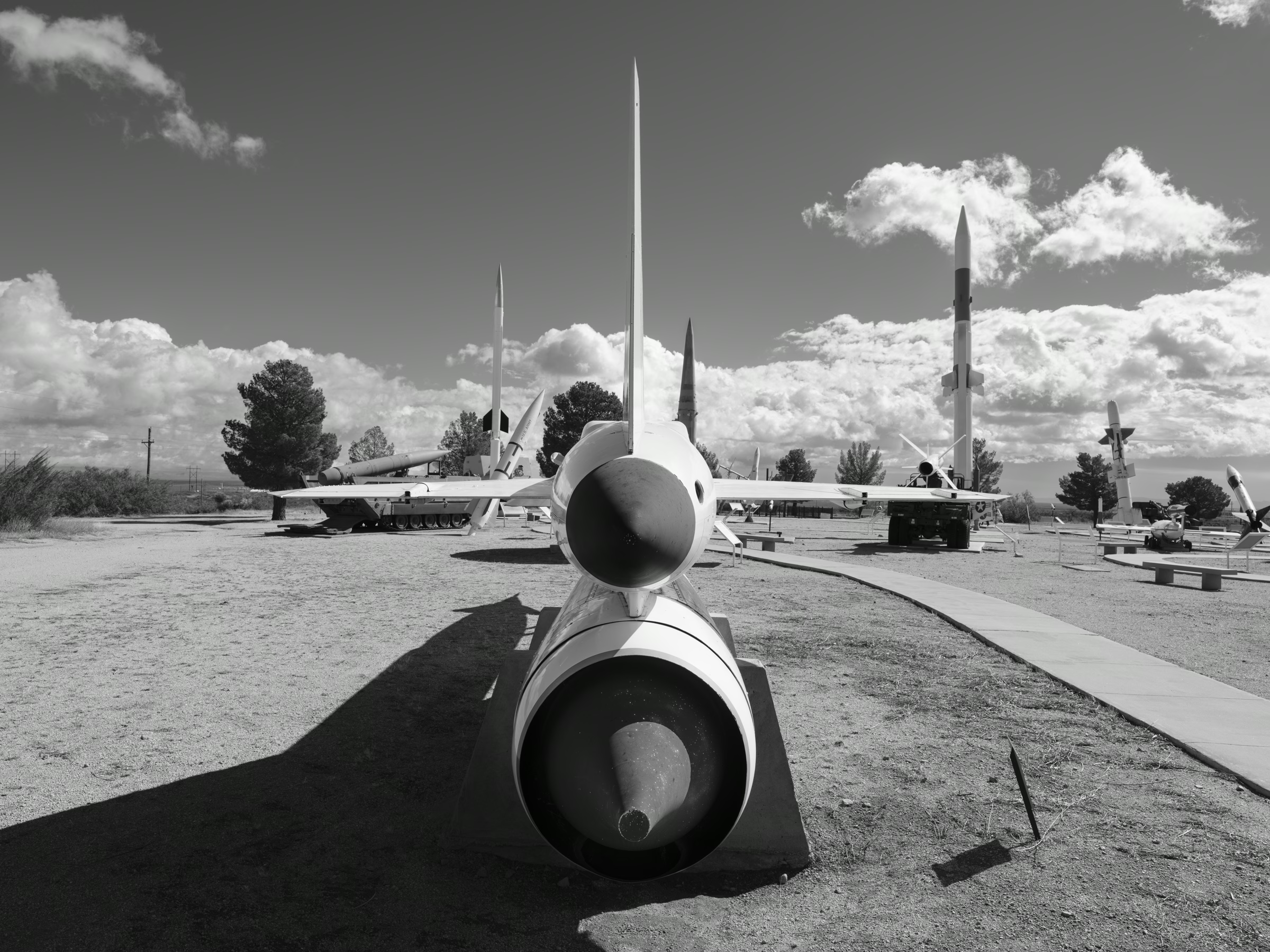
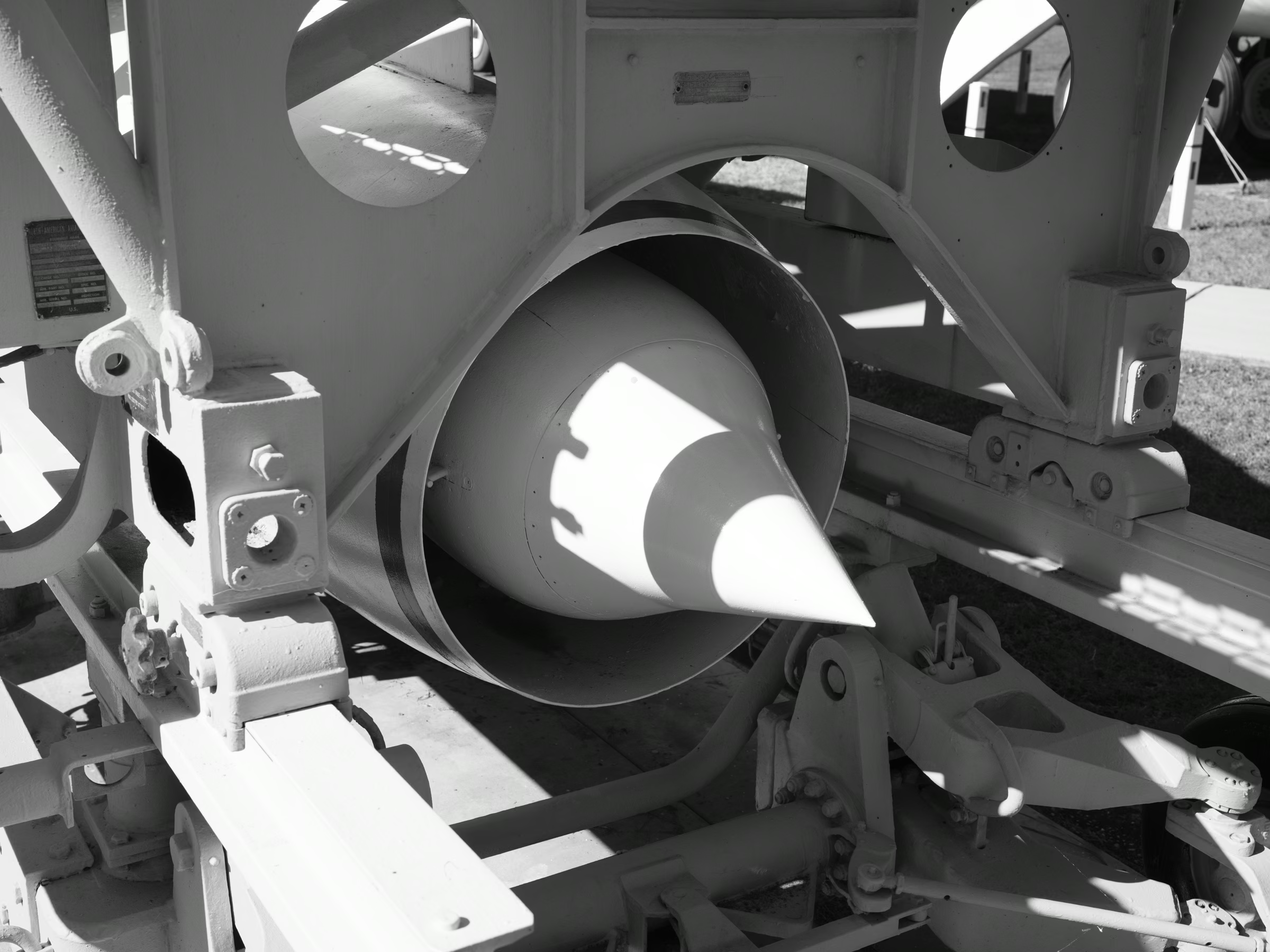
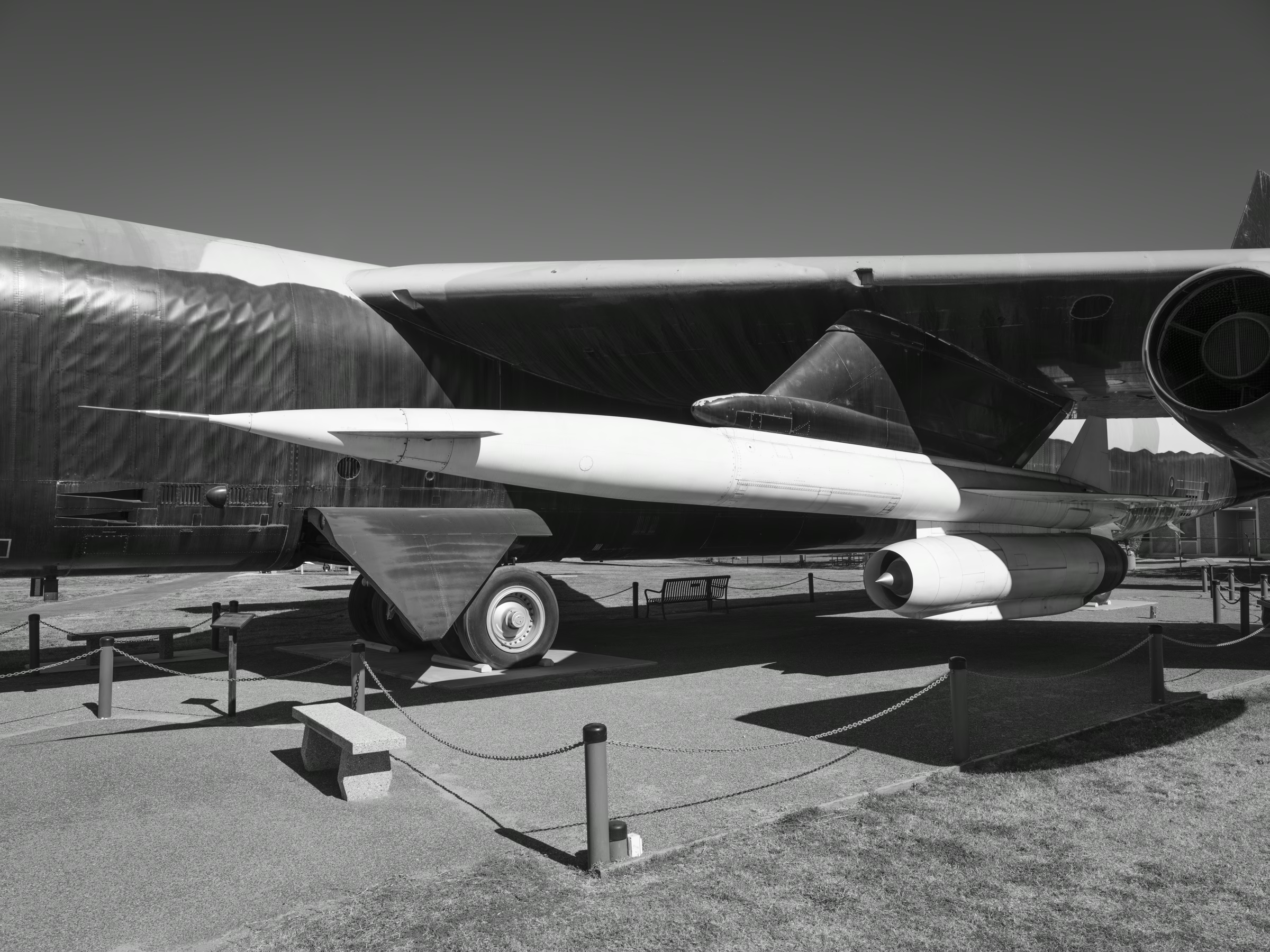
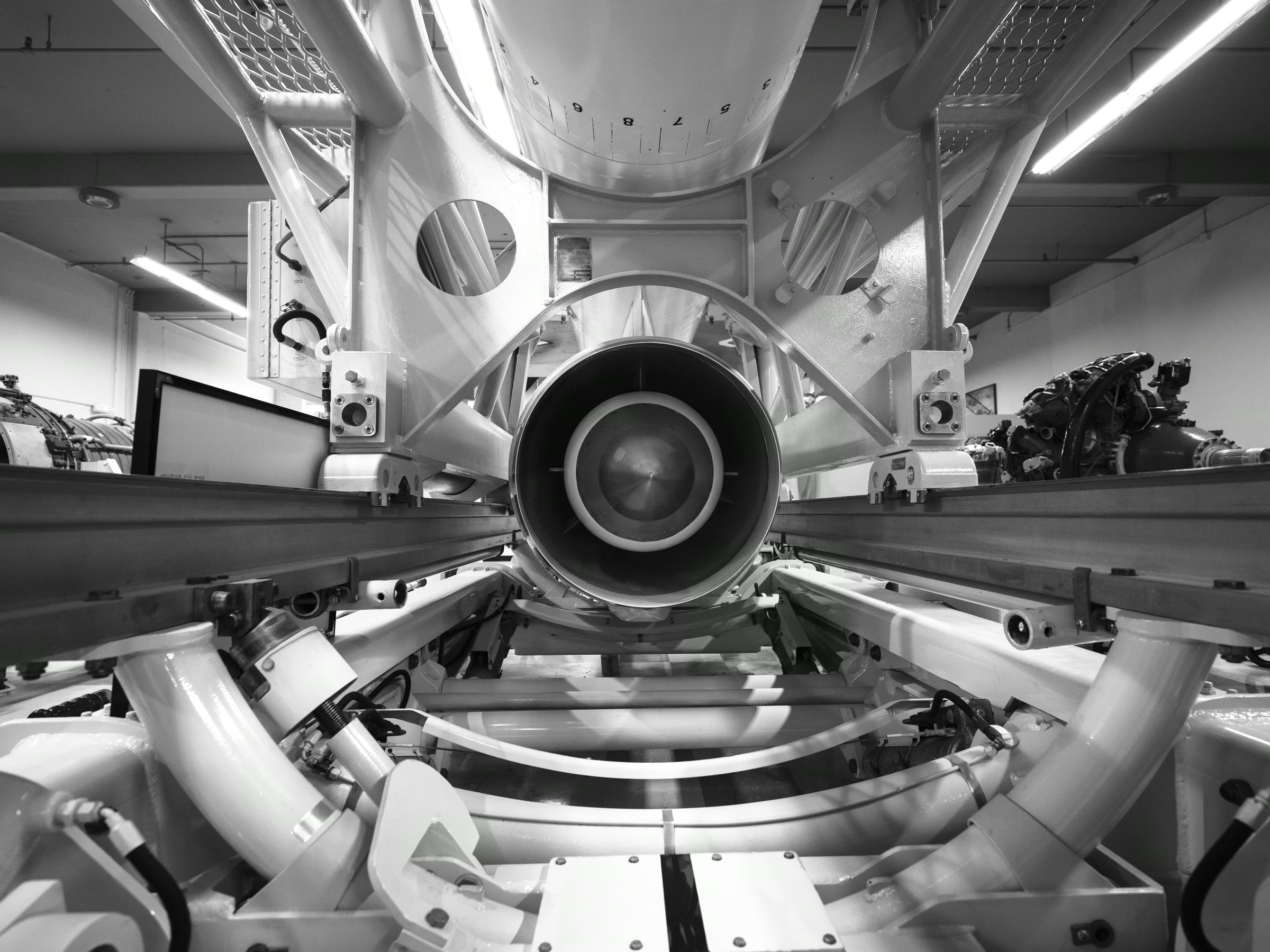
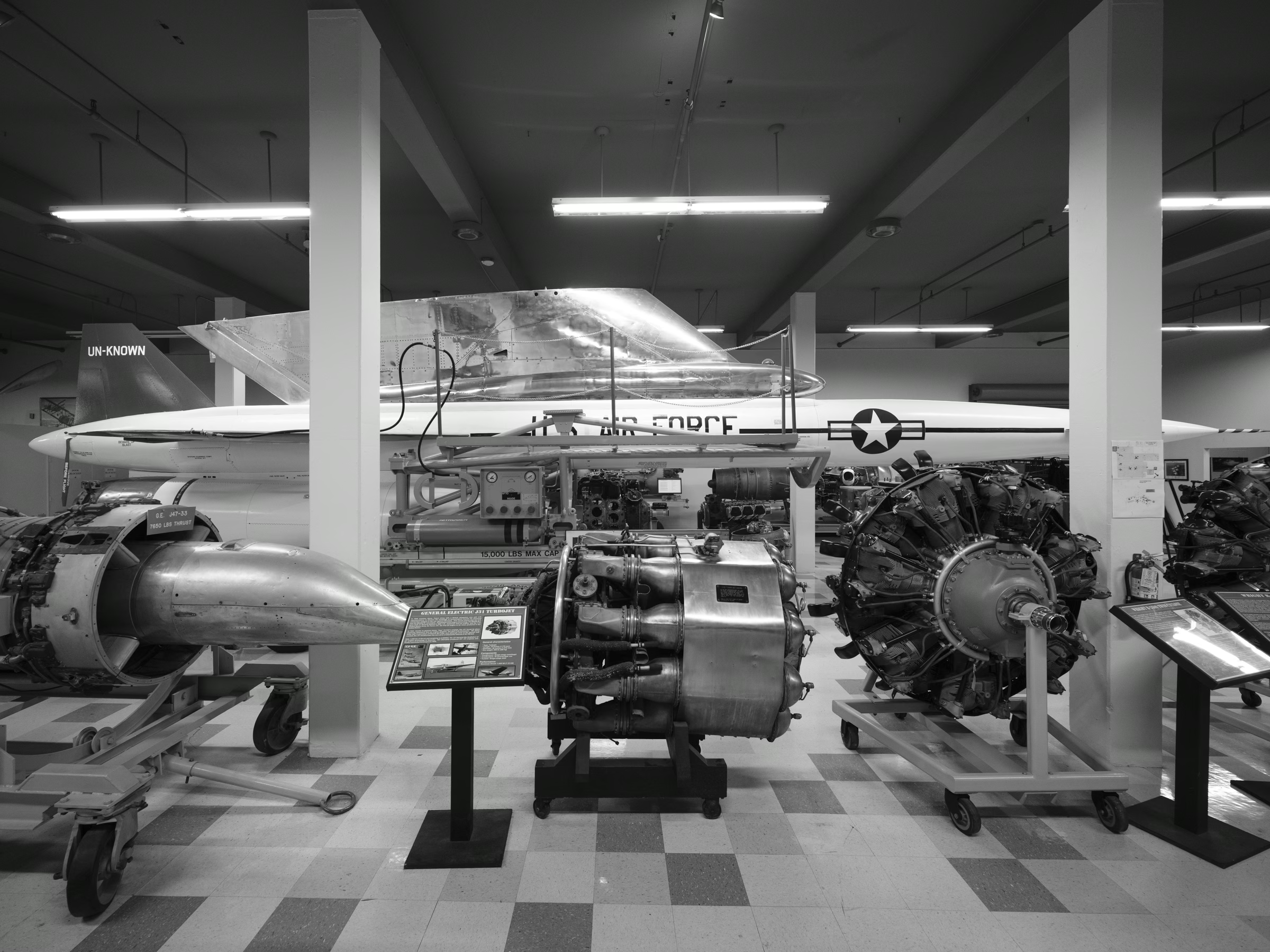
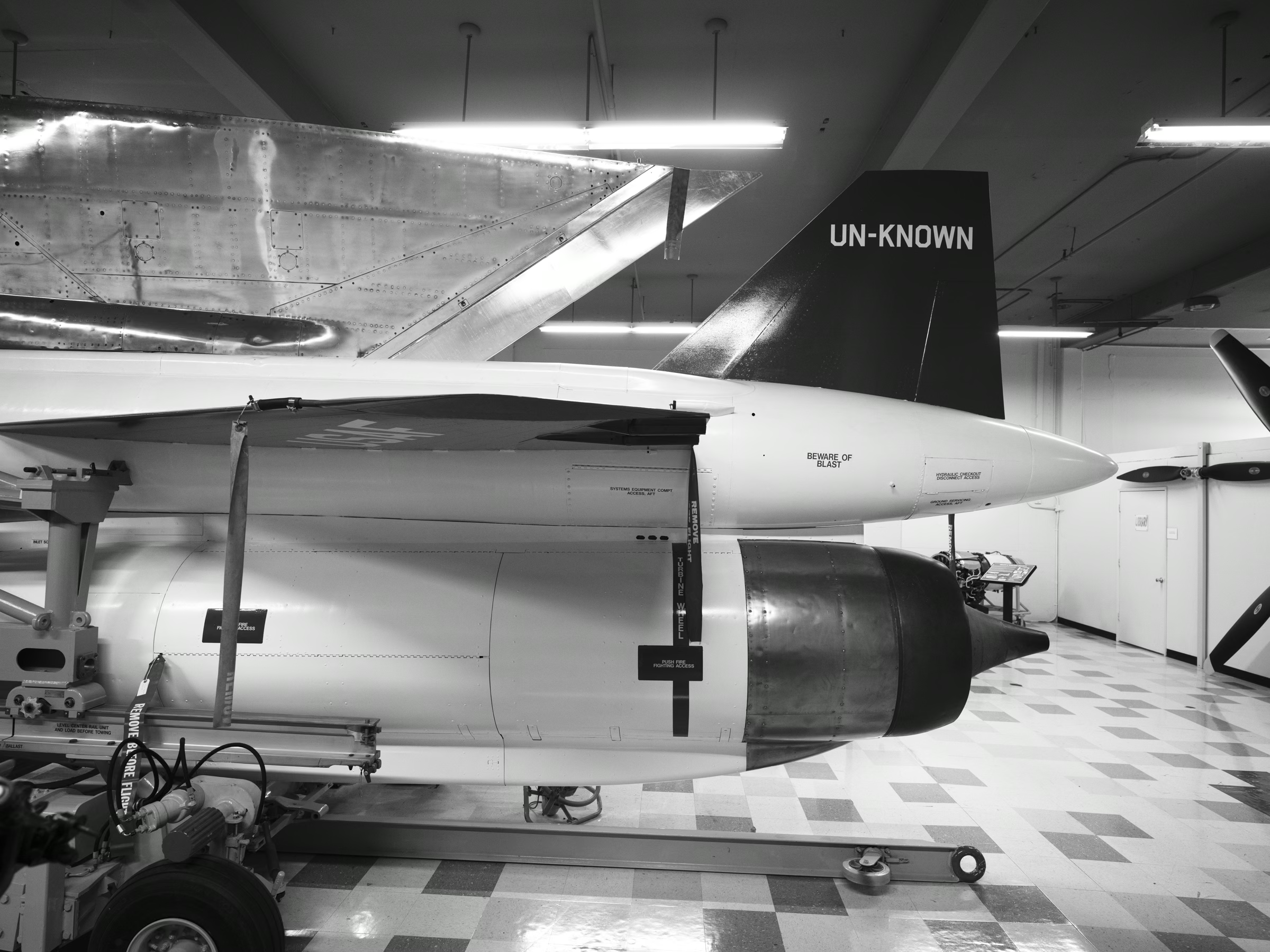
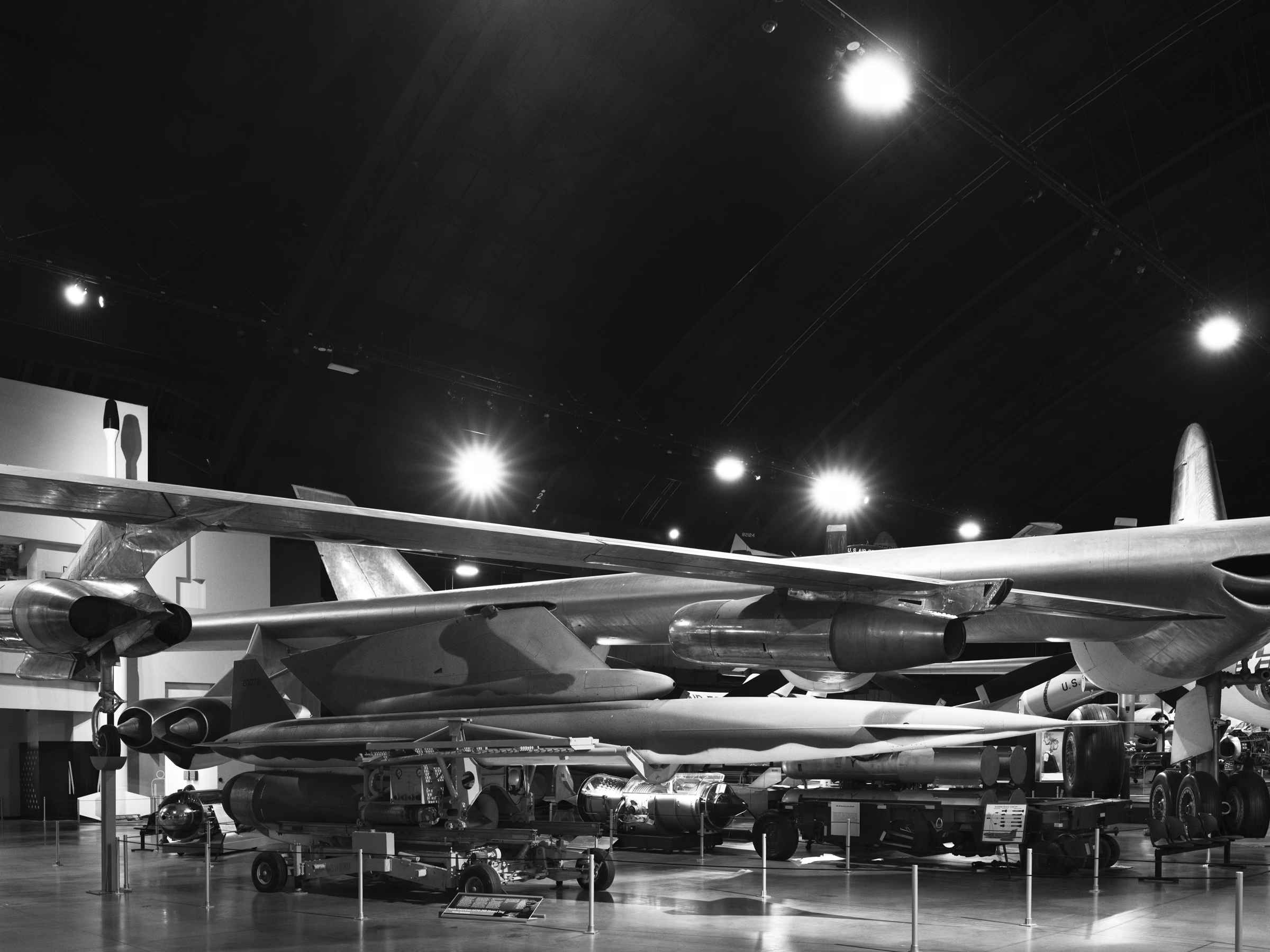
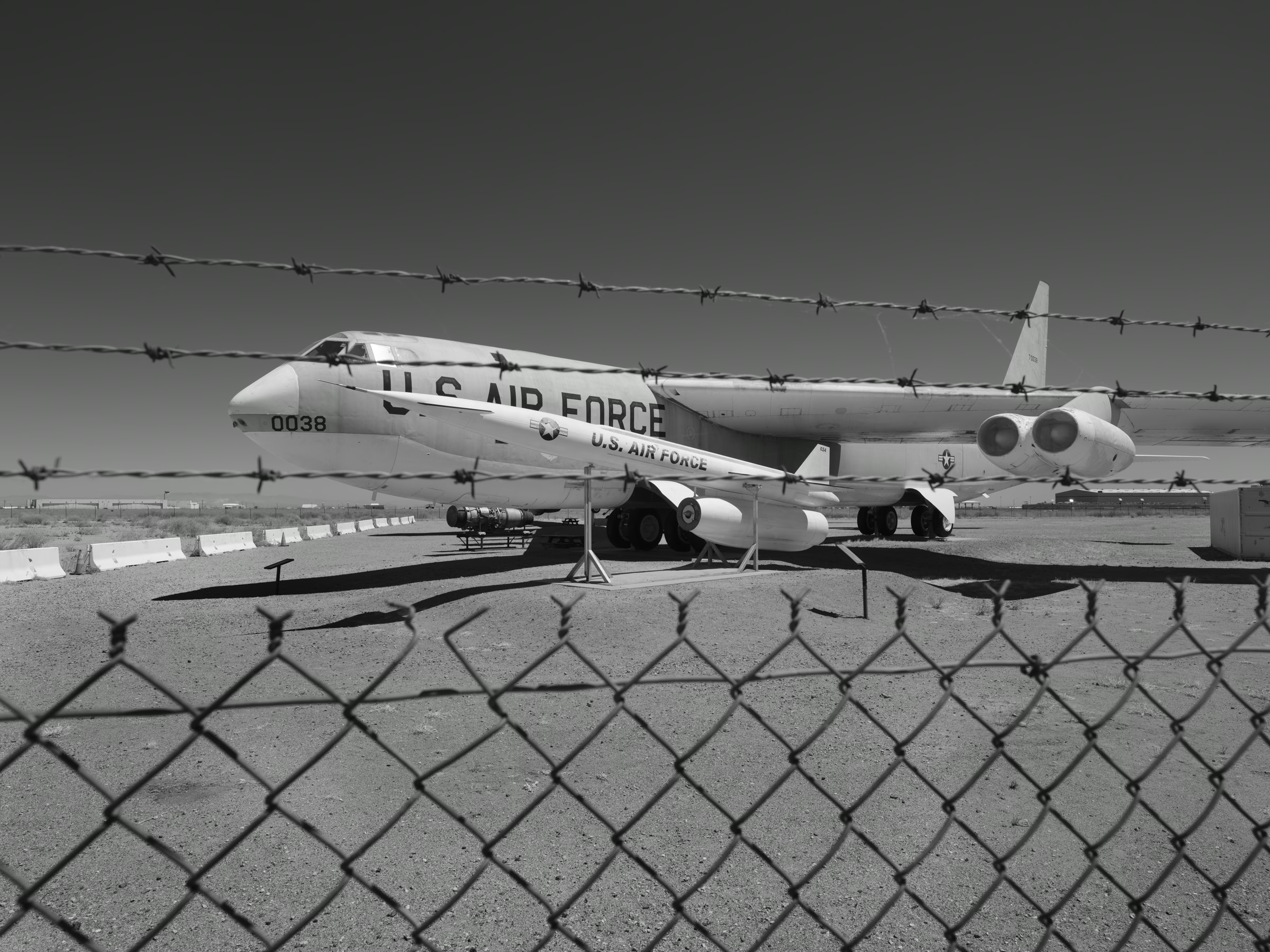
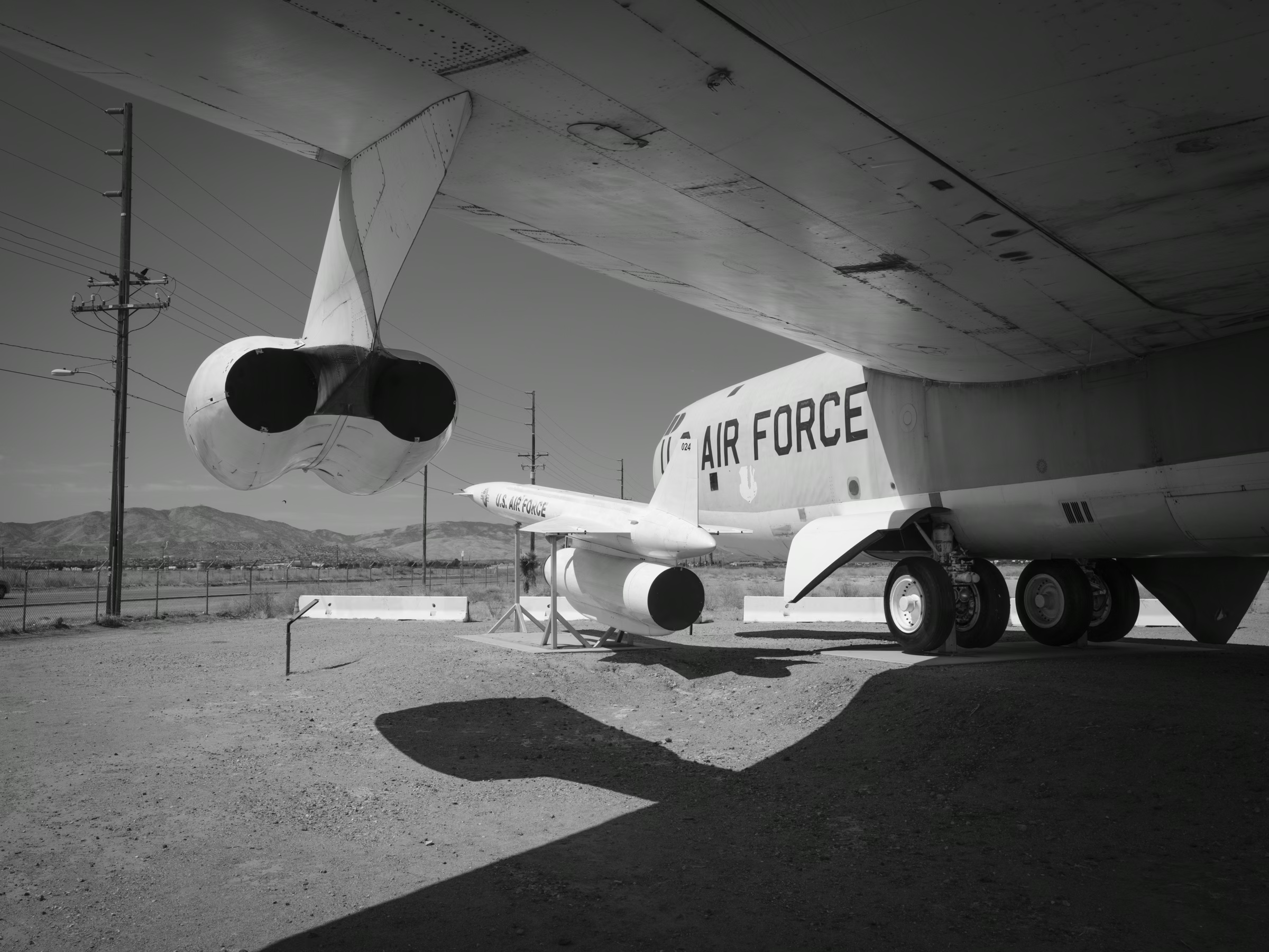
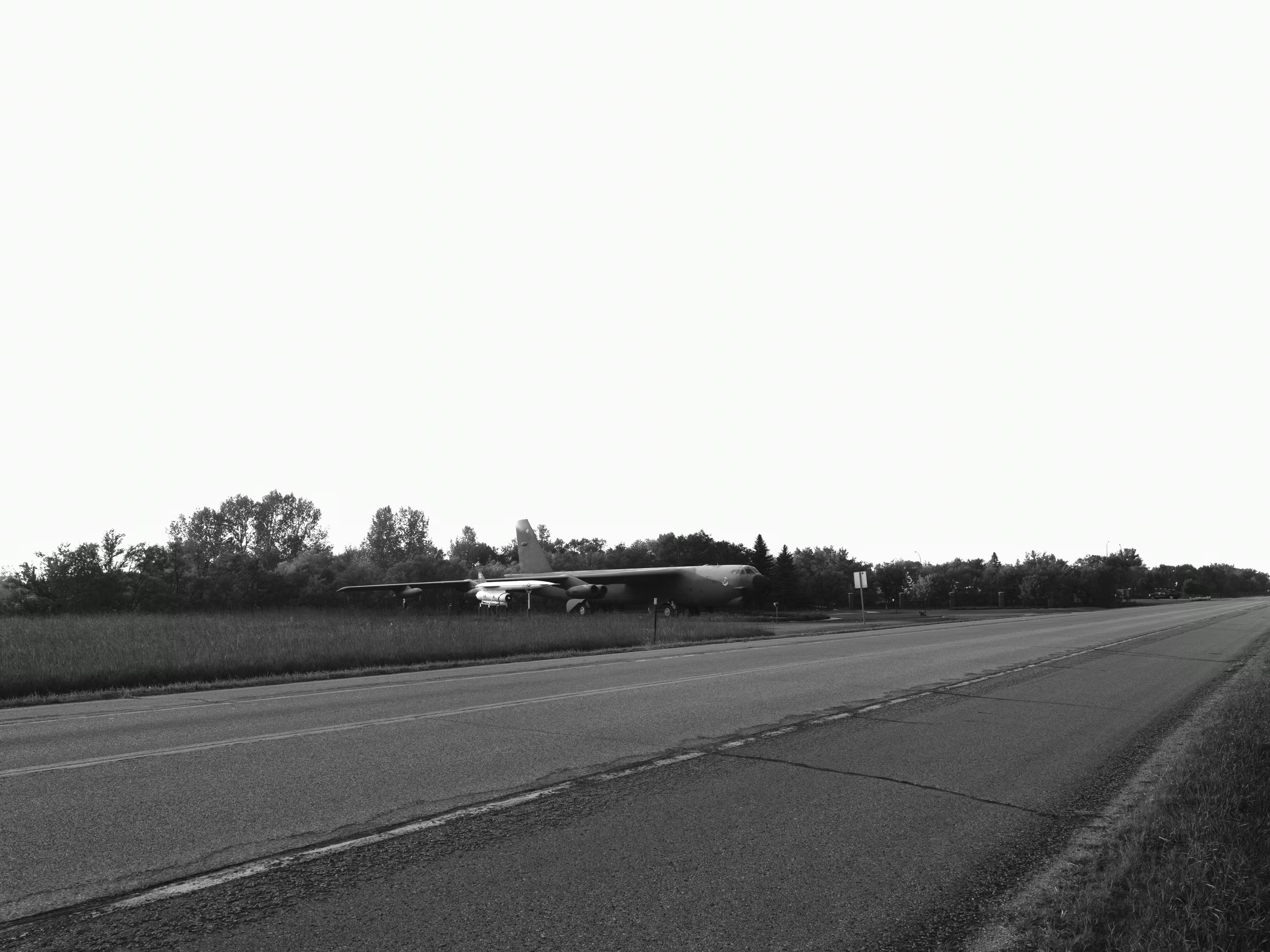
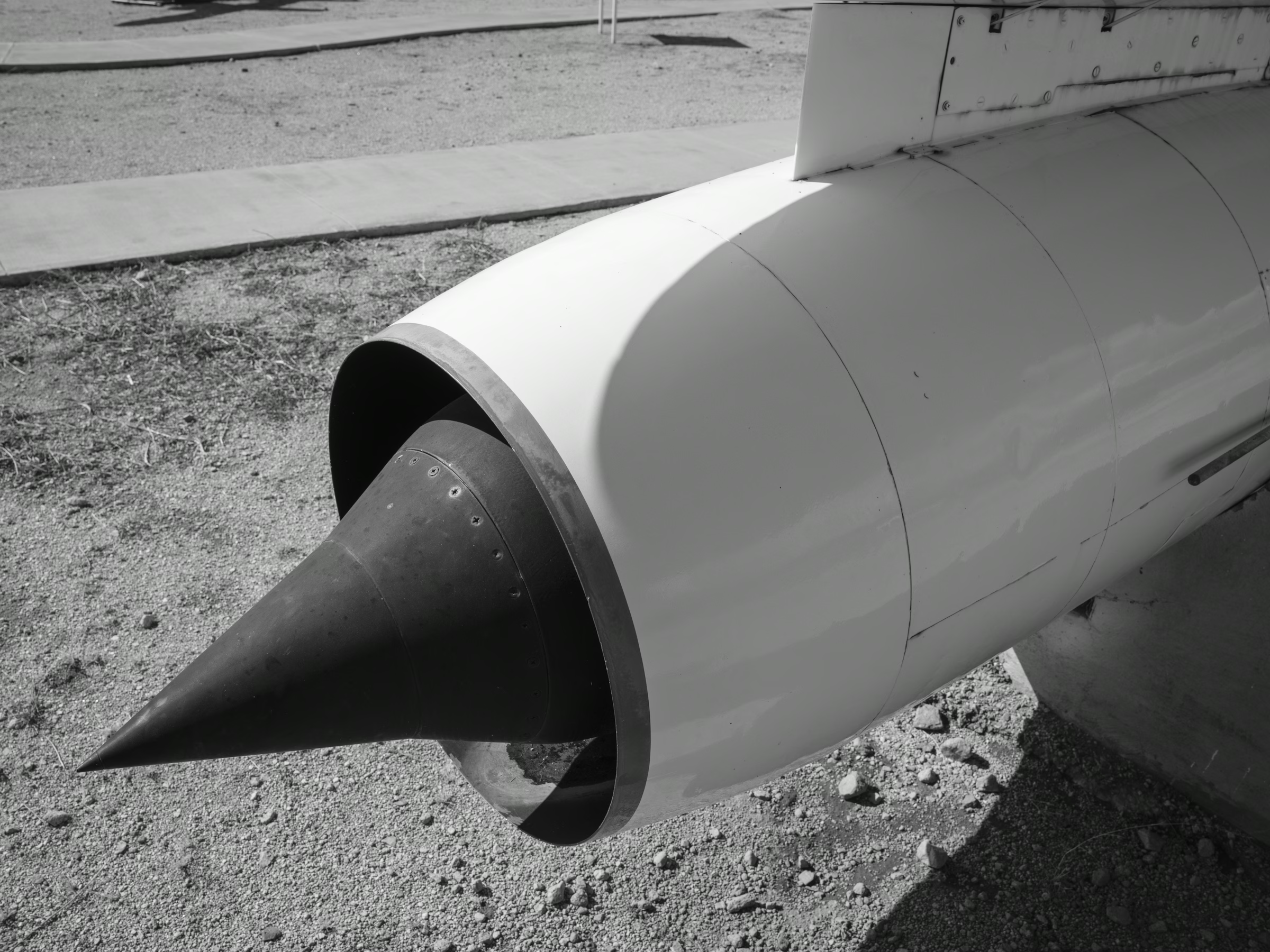
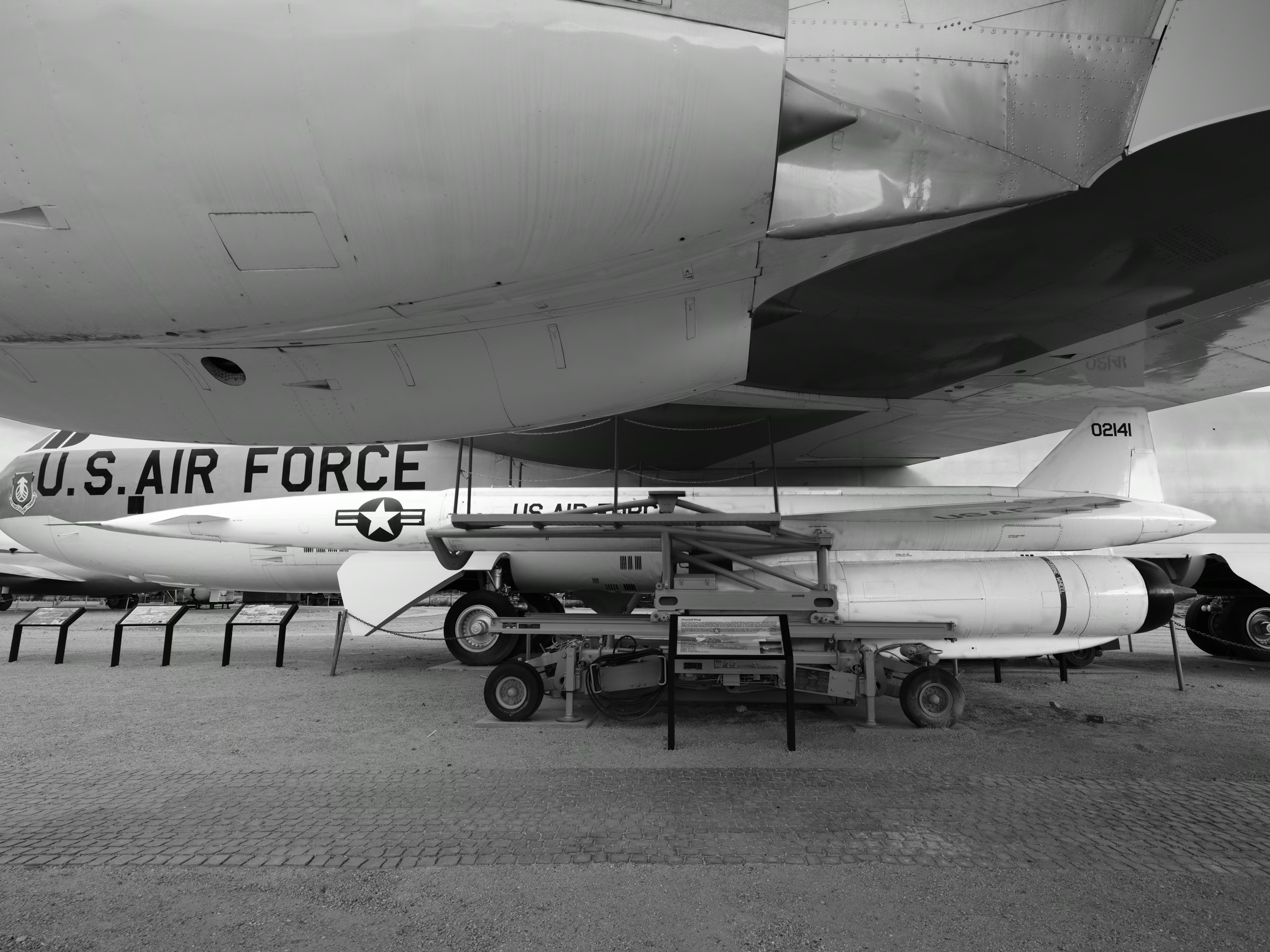
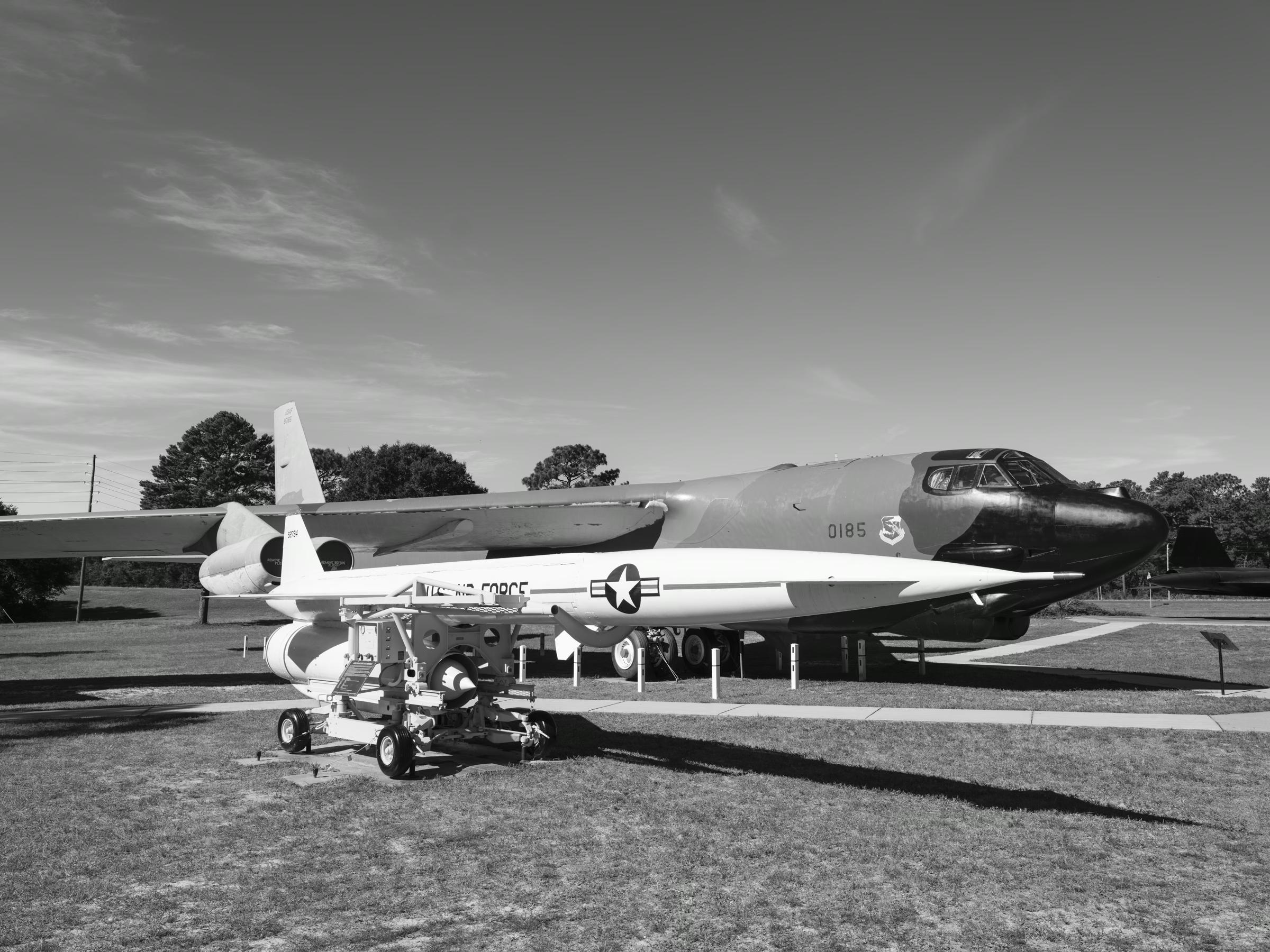
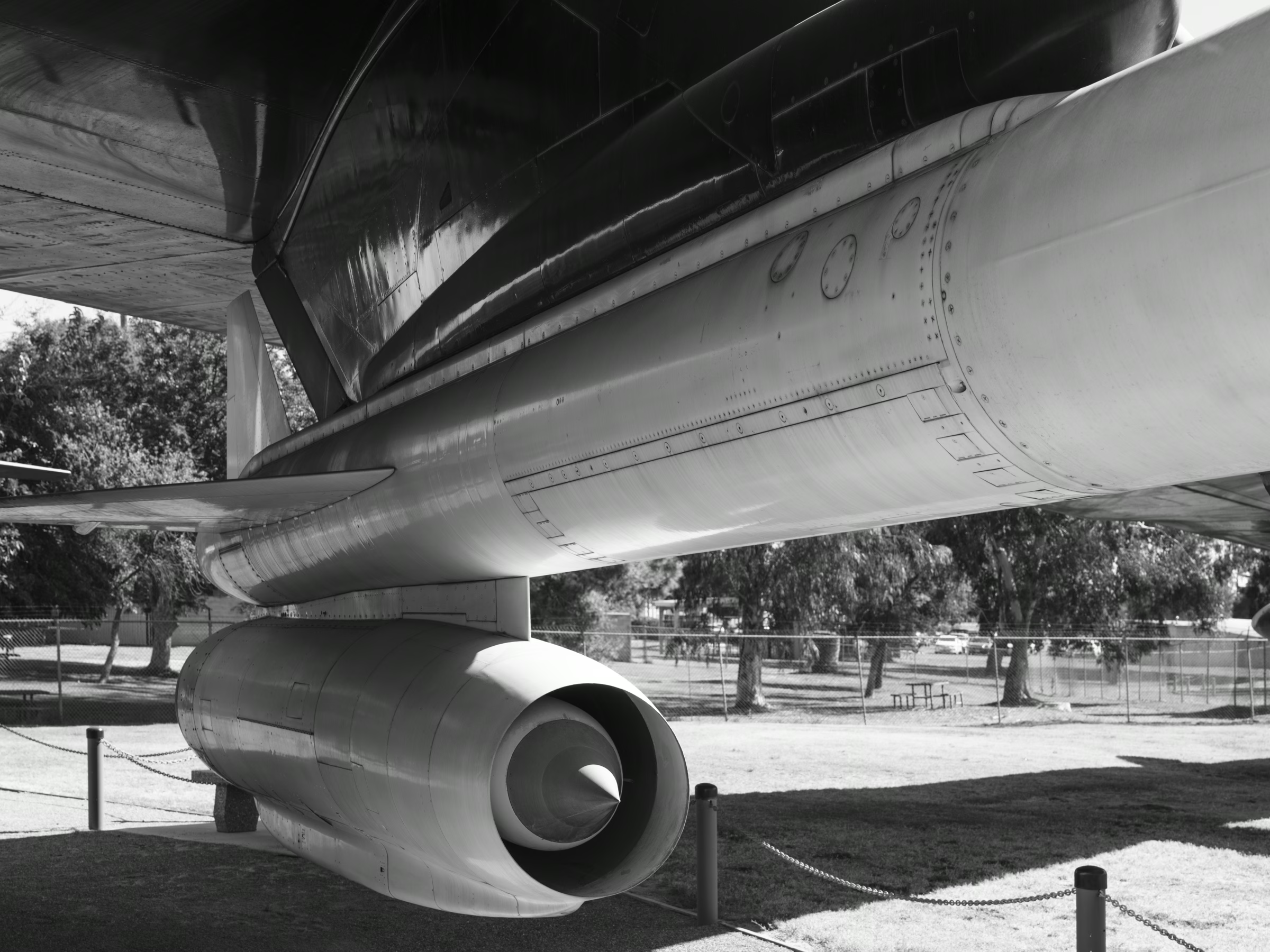
Weapon Specifications
Note that the relationship between explosive power and destruction is not linear—a weapon’s destructive effects grow far more slowly than its explosive power.
Explosive Power
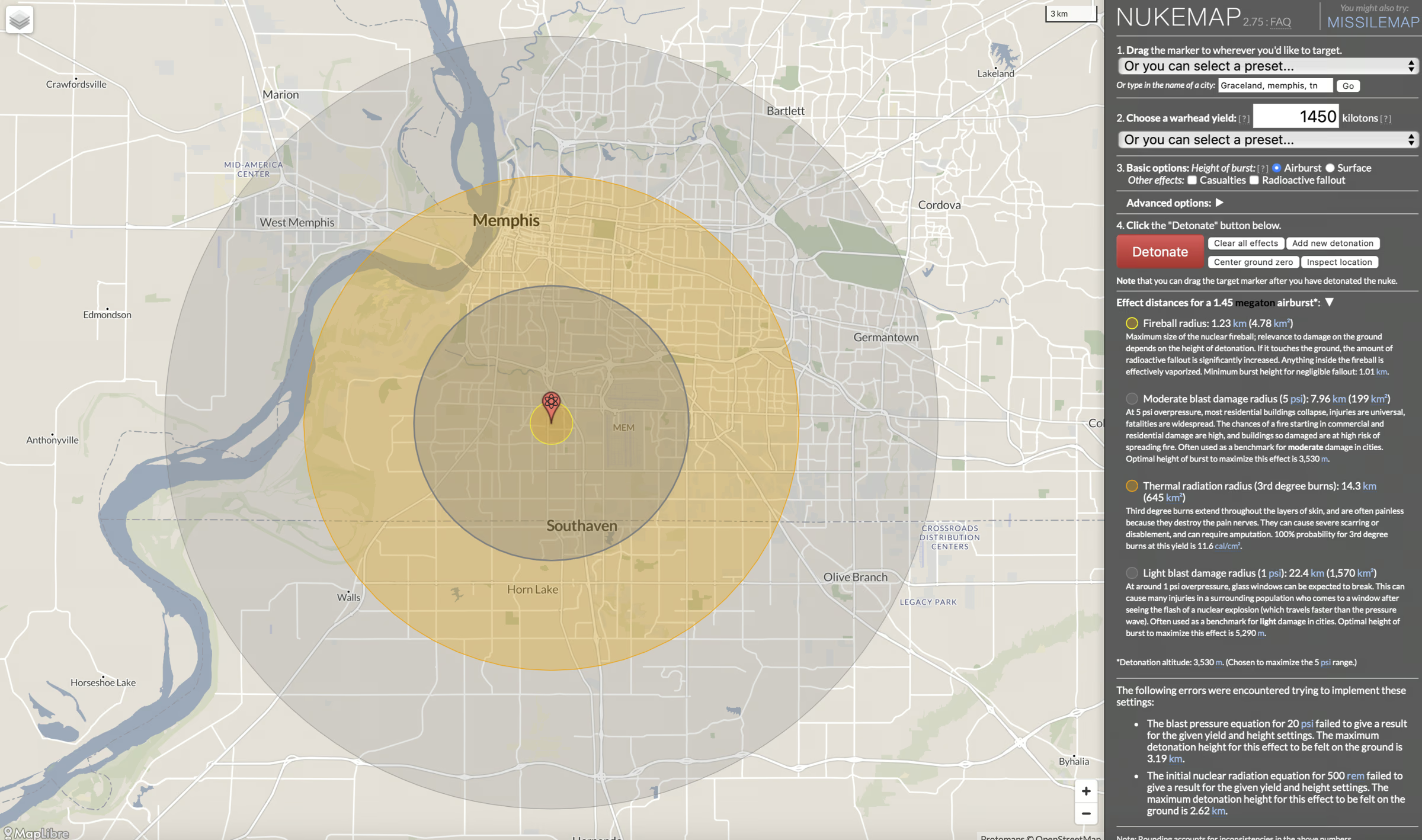
Up to 1.45 megatons
Hiroshima Equivalent Factor
Up to 97x
Dimensions
42 ft, 6 inches x 28 inches (not counting engine)
Weight
10.147 lbs.
Range
785 miles, Mach 2.1
Year(s)
1961–1975
Purpose
Attack ground targets out of range of SAM missile defenses
NukeMap
Simulated destruction of a Hound Dog missile at Graceland, in Memphis, Tennessee. Click on the map to change parameters.
Videos
These curated videos provide additional context for this weapon — showing test footage, deployment scenes, technical explanations, interviews, or other historical material, allowing viewers to go deeper into the weapon’s design, use, and place in nuclear history.
Further Reading
- Wikipedia, Designation Systems
- The most detailed history of the Hound Dog That I have found is at Missilery.info.
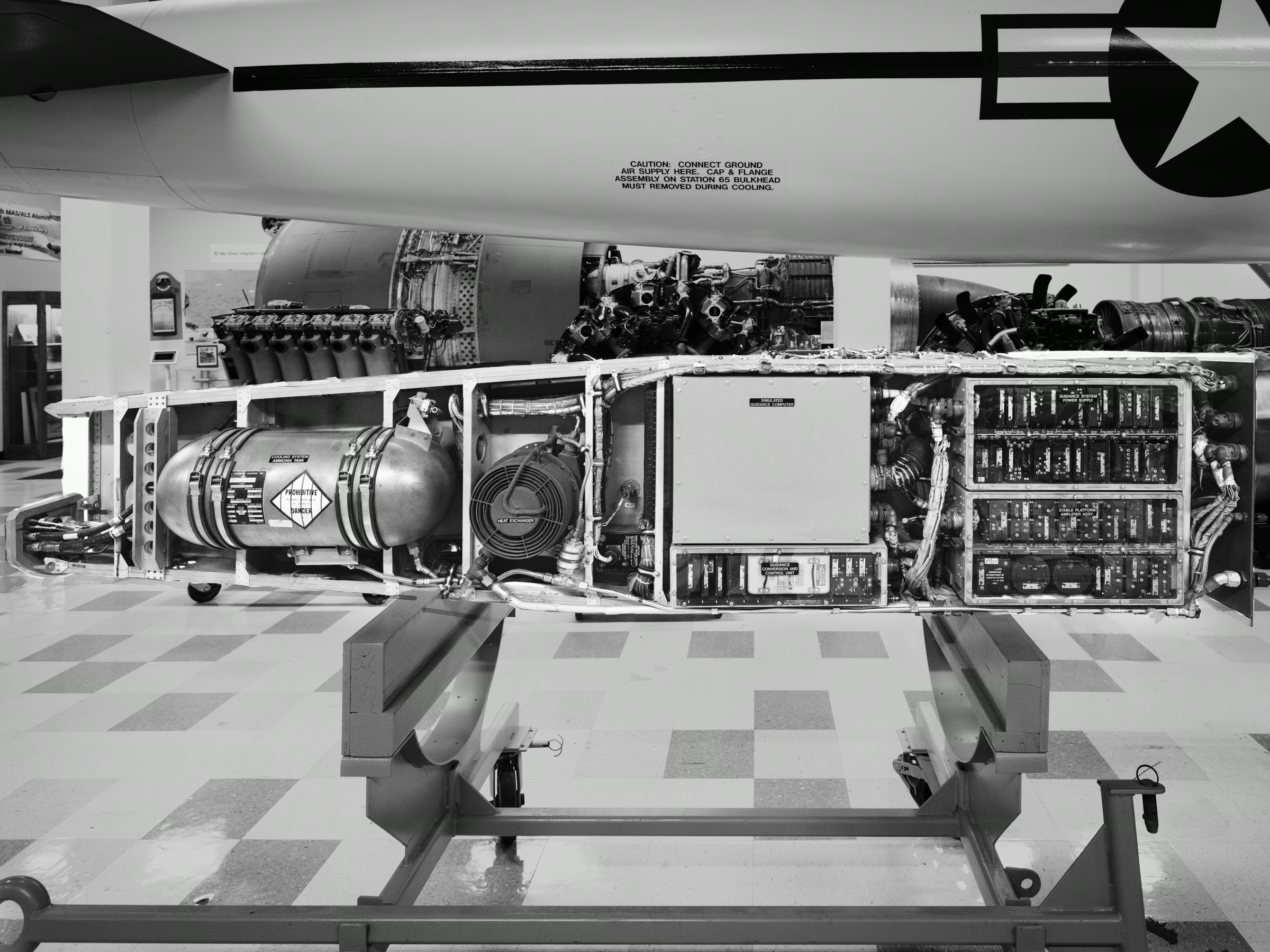
- The Travis Aviation Museum is especially proud of their Hound Dog (as they should be–it is a beautiful restoration, complete with computer and navigational systems on display).
- This article in This Day in Aviation is primarily about the B-52H but check out the photo of the crashed B-52 with the two Hound Dogs crumpled in the background.
- An overview of the Hound Dog by Alchetron, an online encyclopedia. Of special note is its description of the different ways the Hound Dog might be used in an attack and a detailed list of surviving examples of the missile.
- An unusually good photograph of a B-52 in flight with a Hound Dog missile mounted under each wing.
- Another interesting photo, this one appears to be a press photo, showing Air Force personnel next to a Hound Dog at Wright-Patterson AFB, in Ohio.
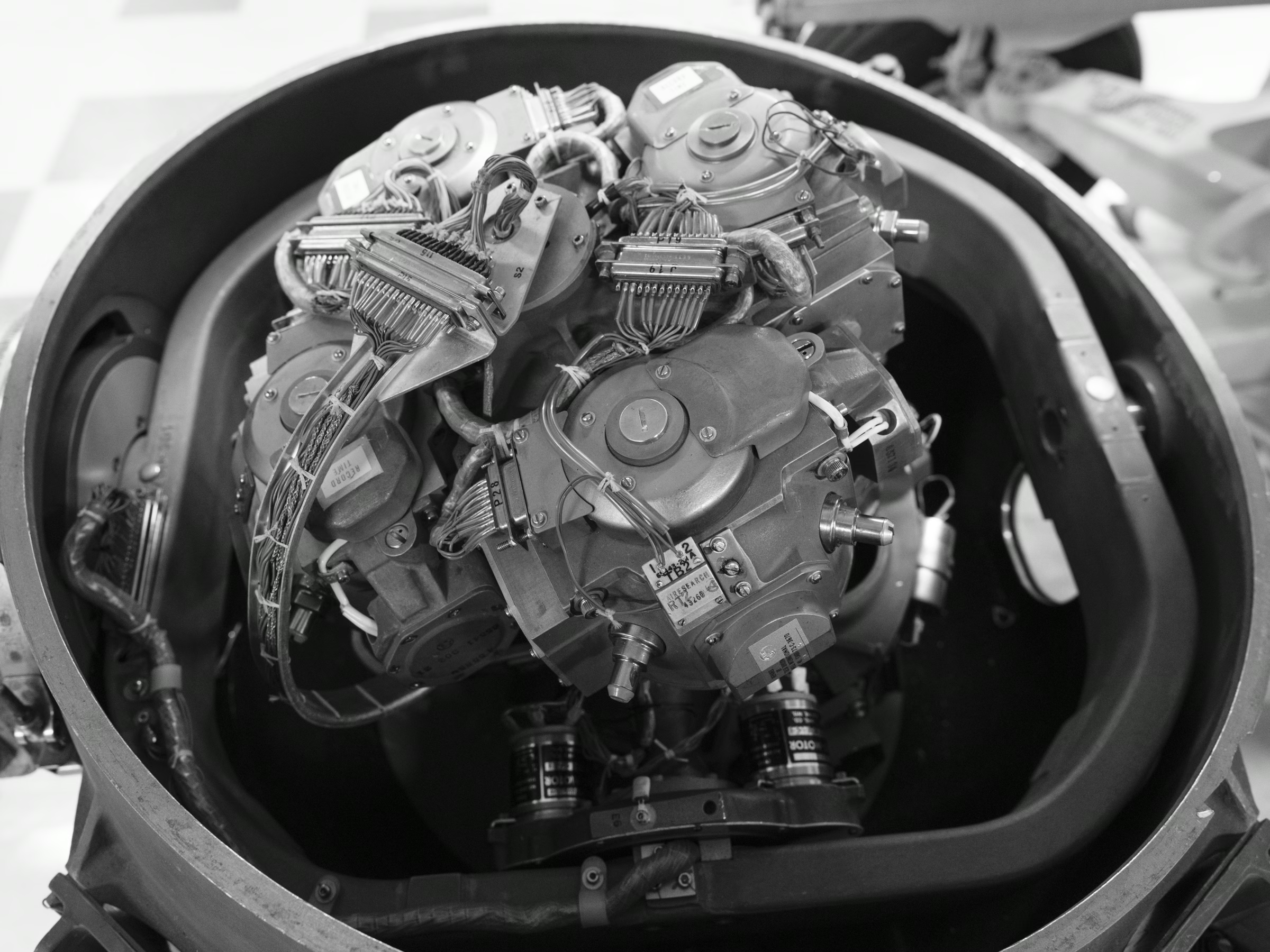
- The guidance system of the Hound Dog was cutting-edge for its time. There appears to be only one example of the unit on display (see my image in the gallery section, above). The Institute of Navigation has a short overview of the unit with a photo from the Travis Aviation Museum (with additional links) and here is a detailed article on the system from the same web page. This might be of interest: When saw this unit in person at the Travis museum I gently nudged it (there was no dome over it) and it floated like it was new.