Mace
A better Matador
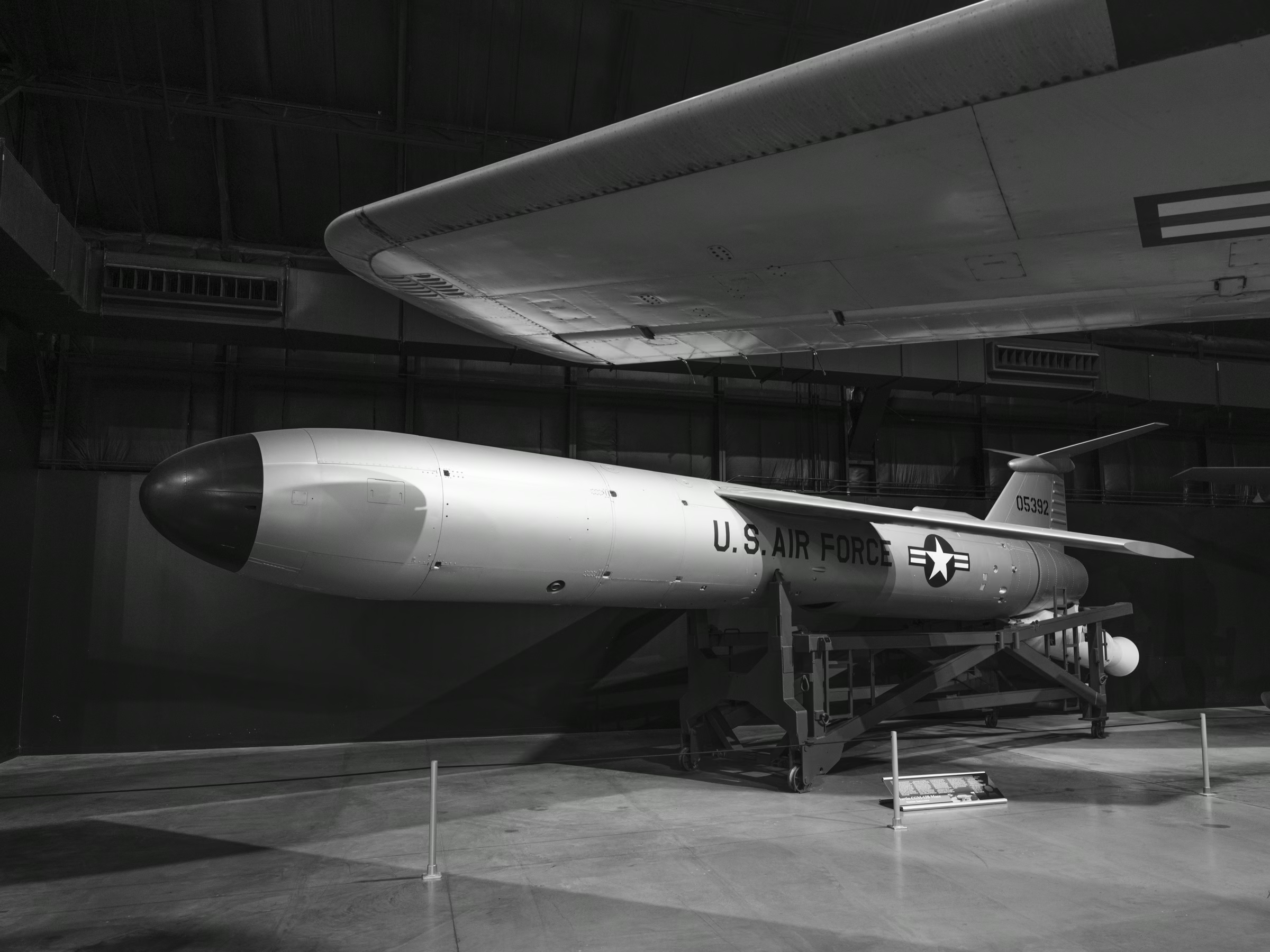
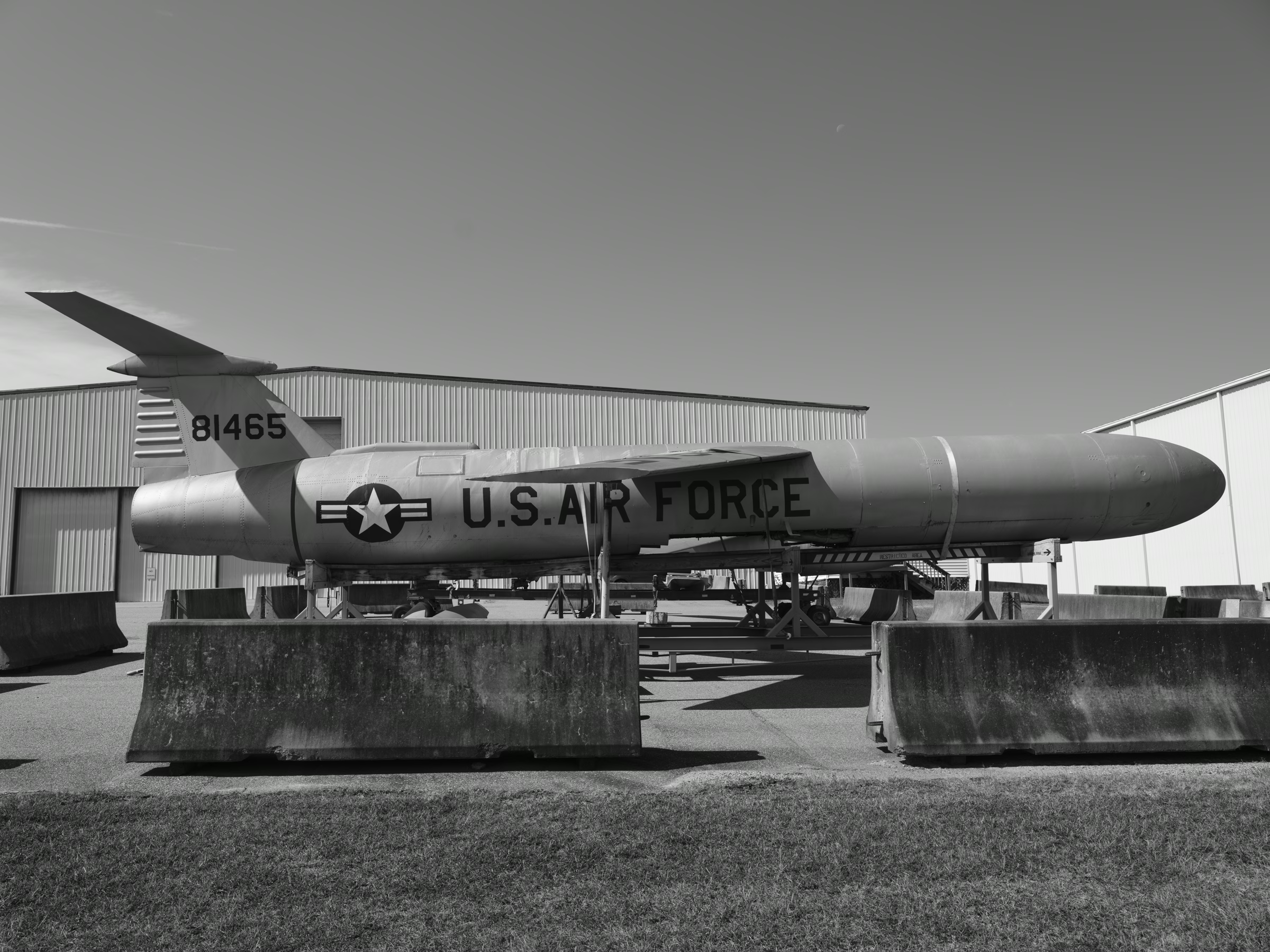
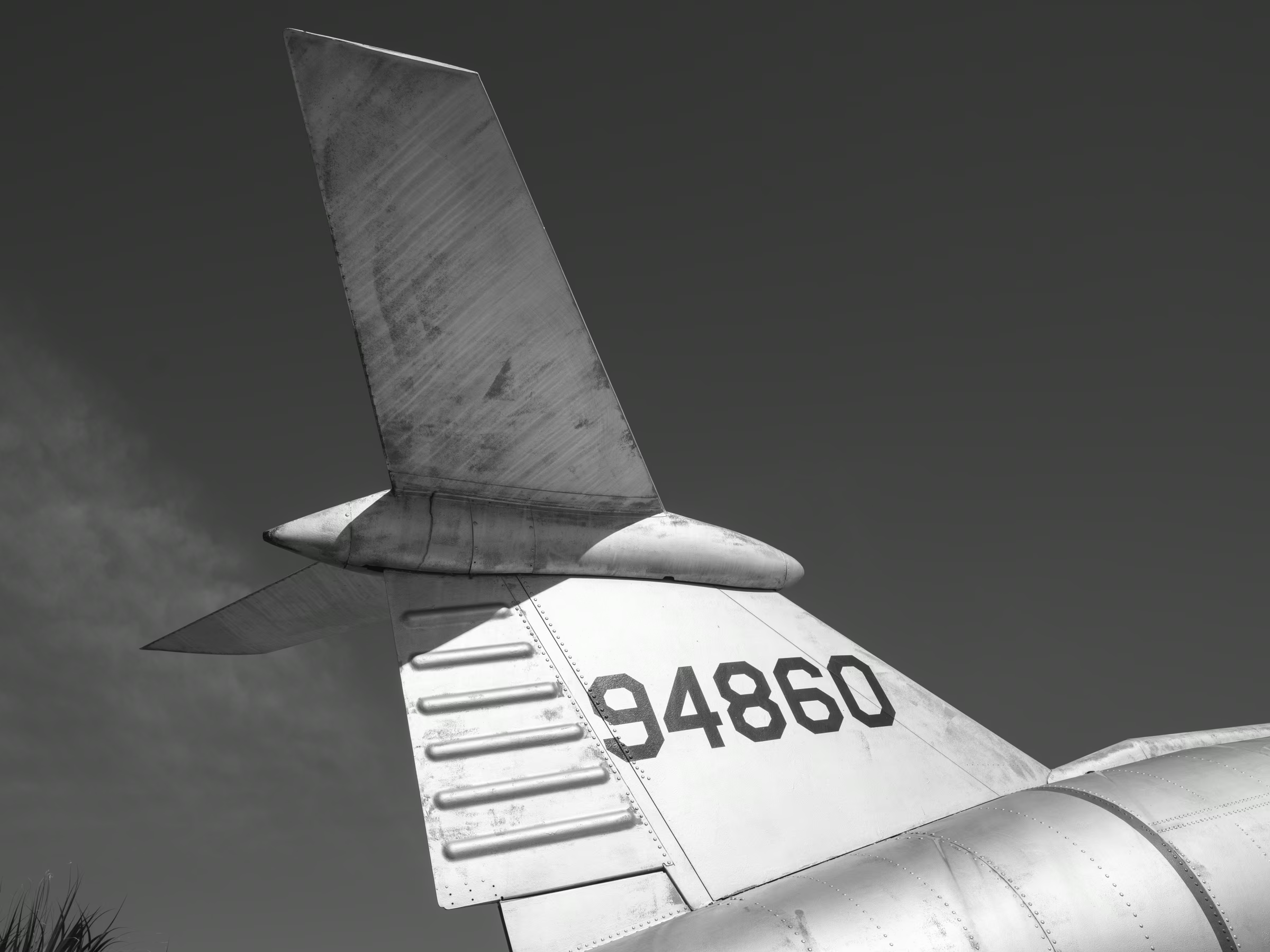
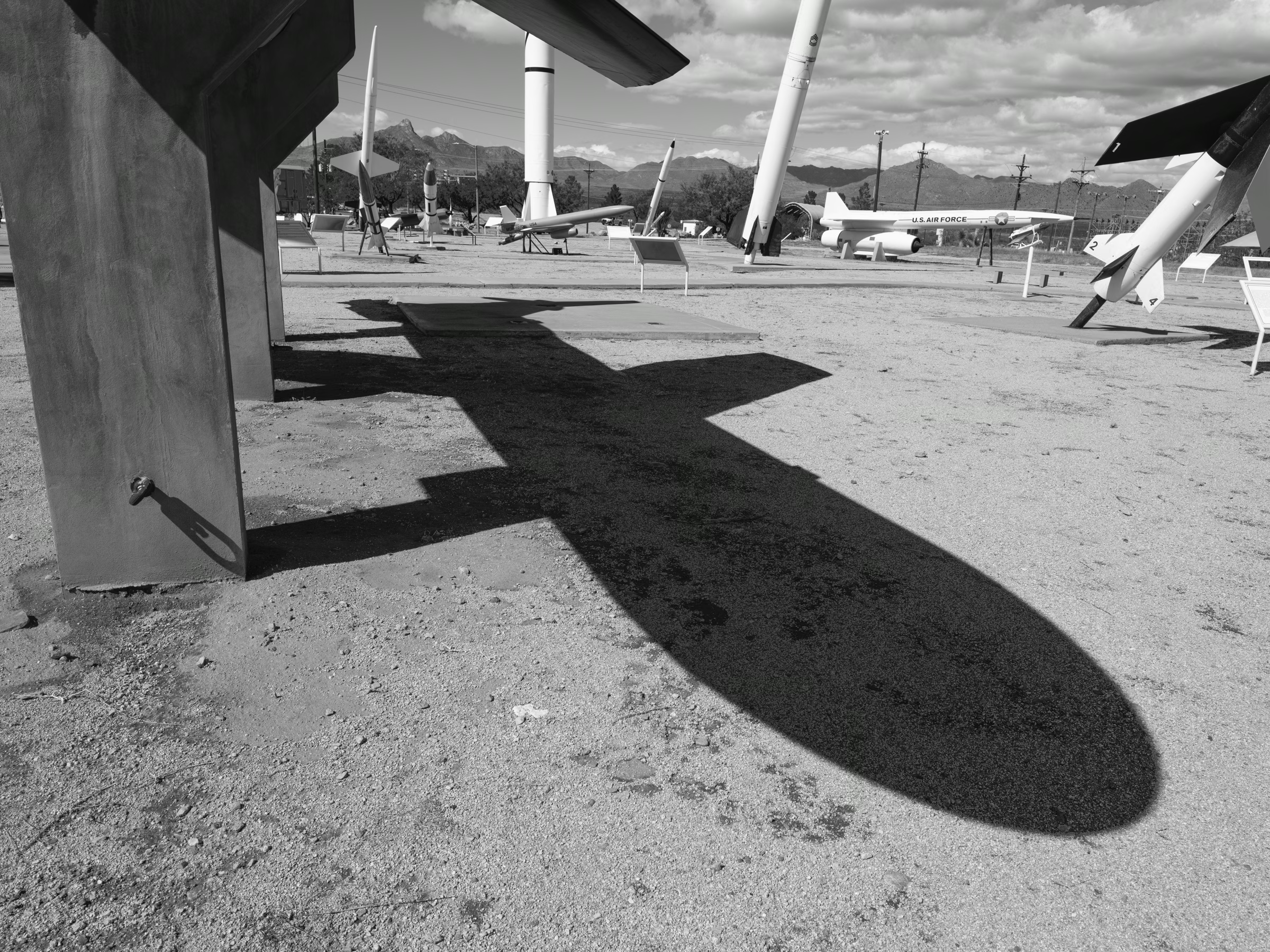
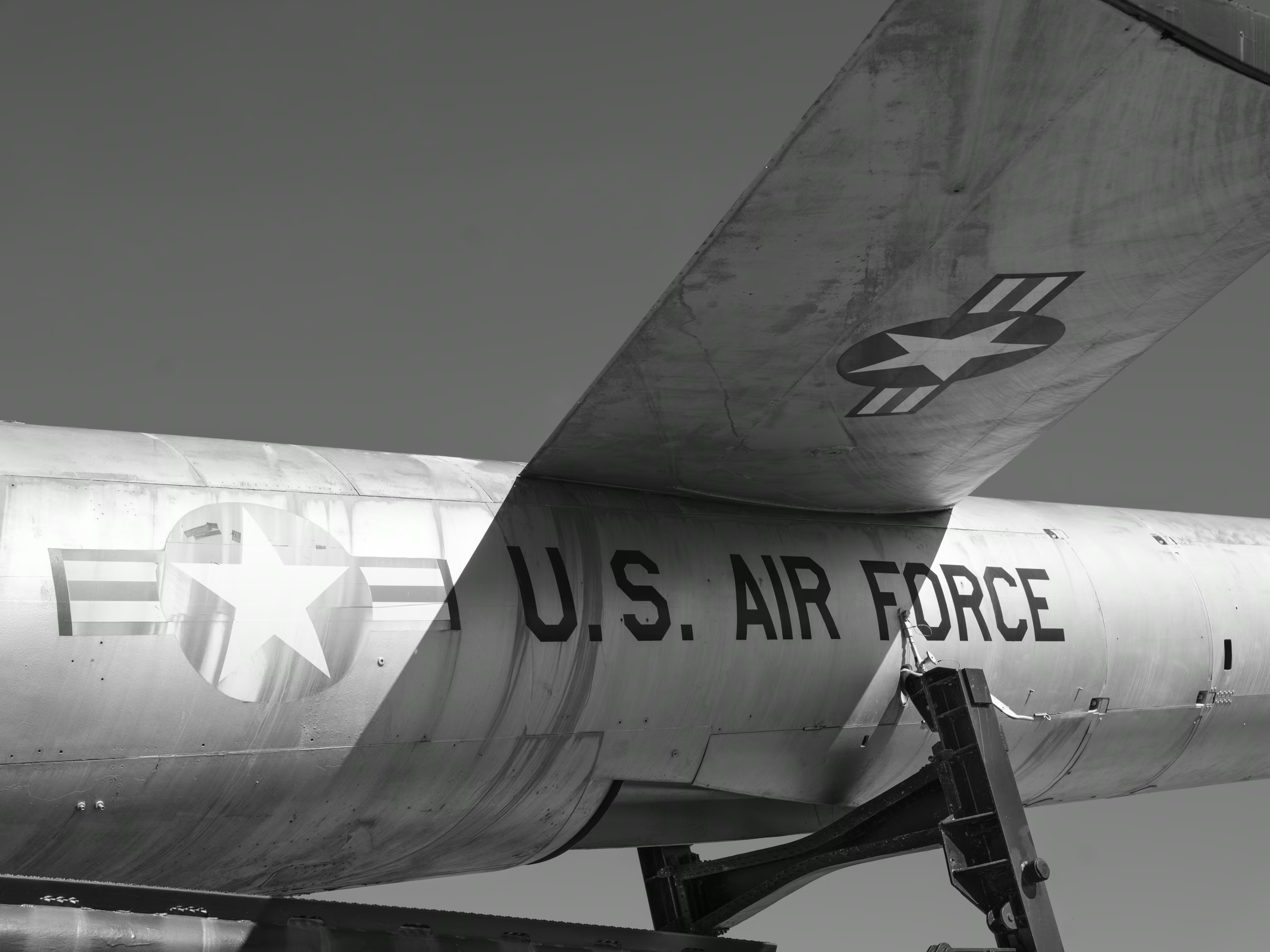
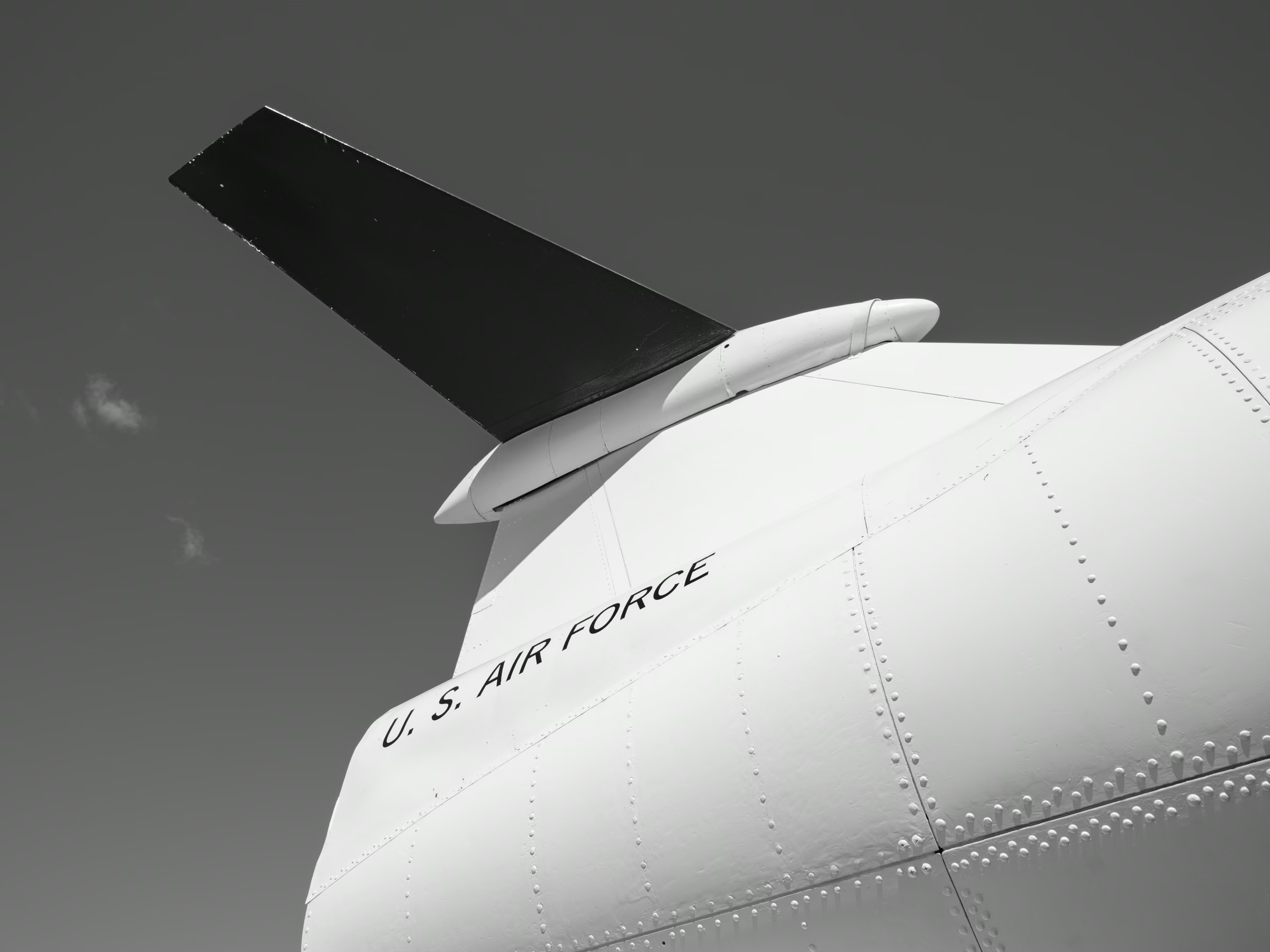
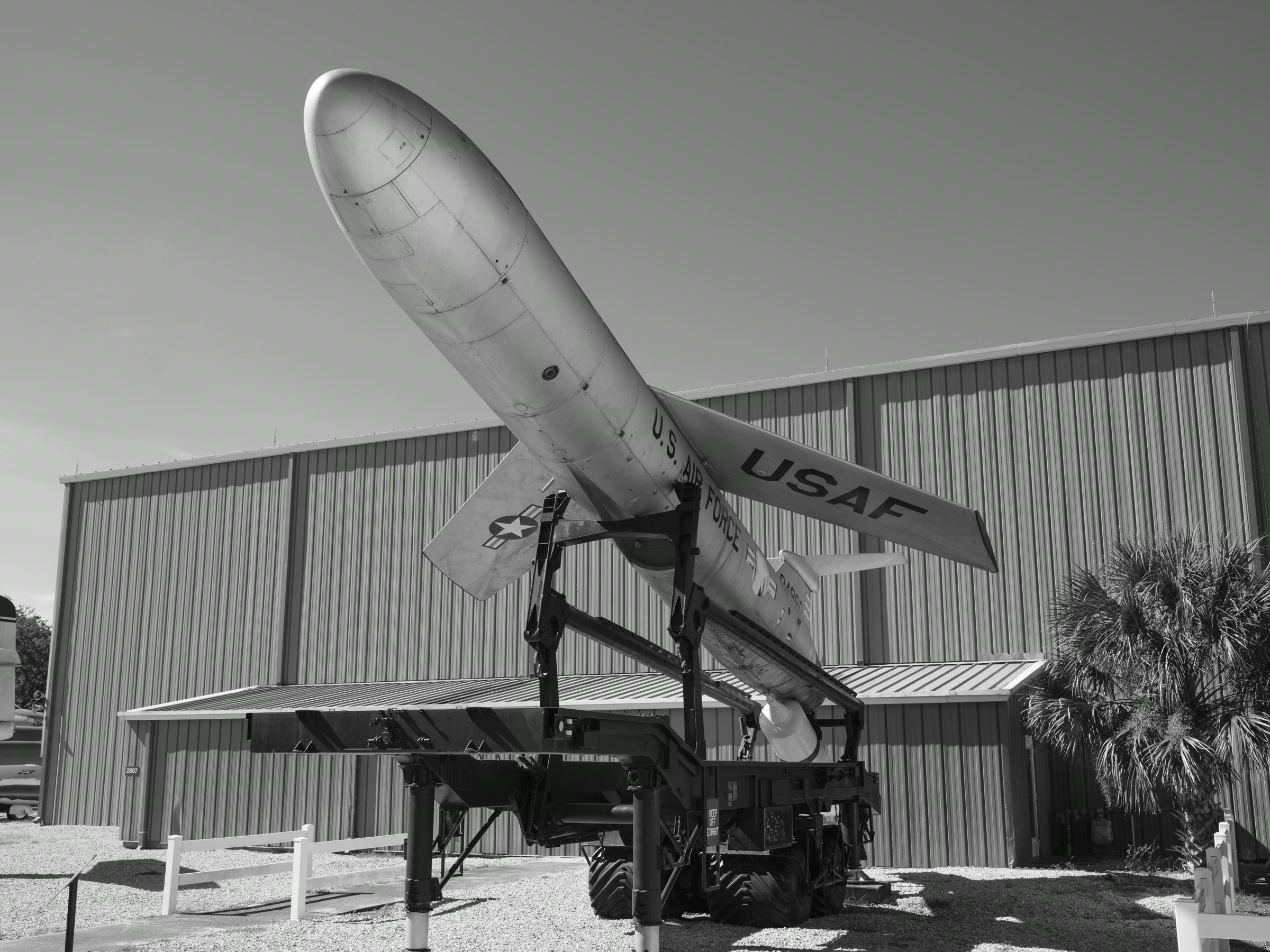
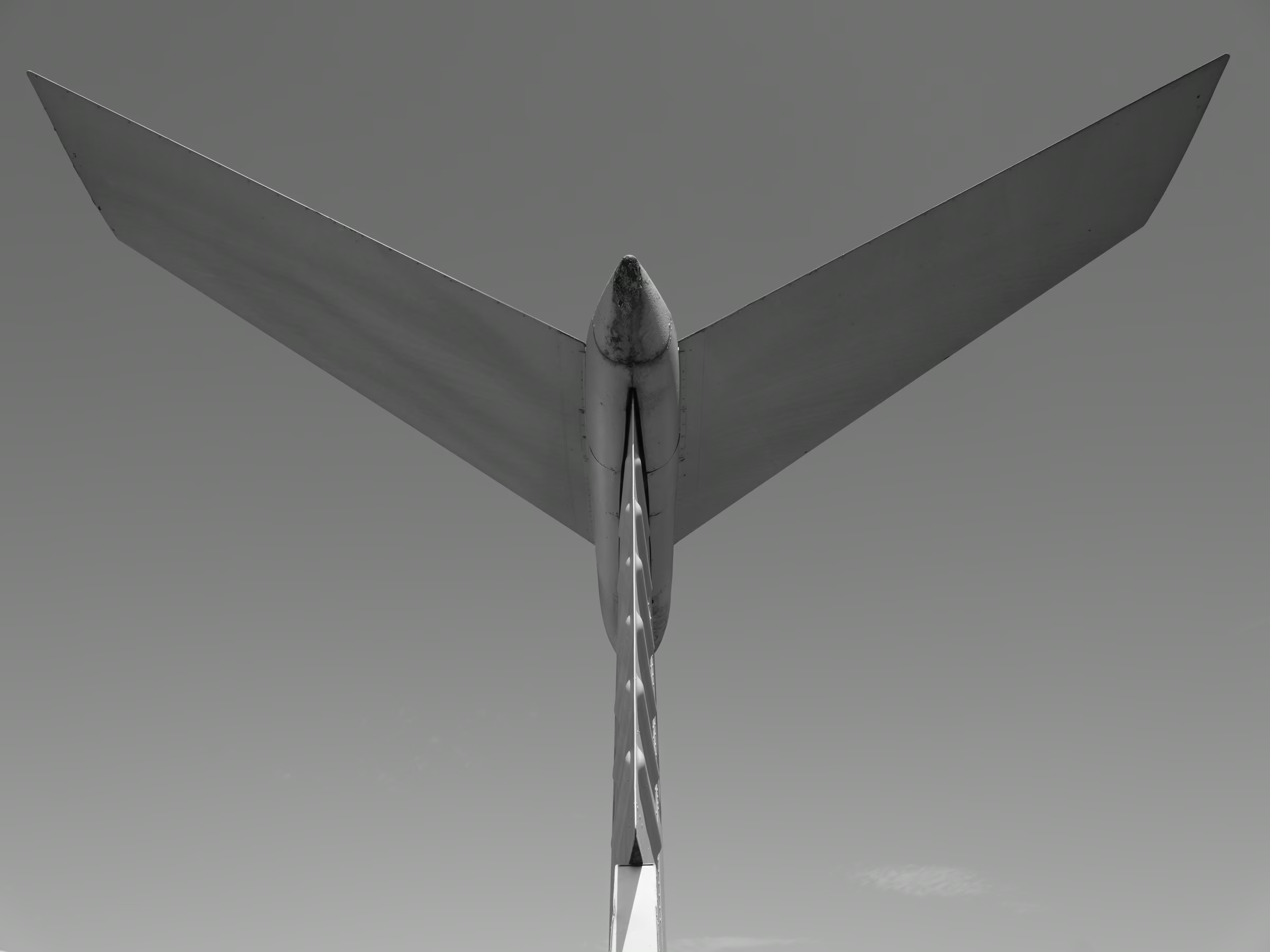
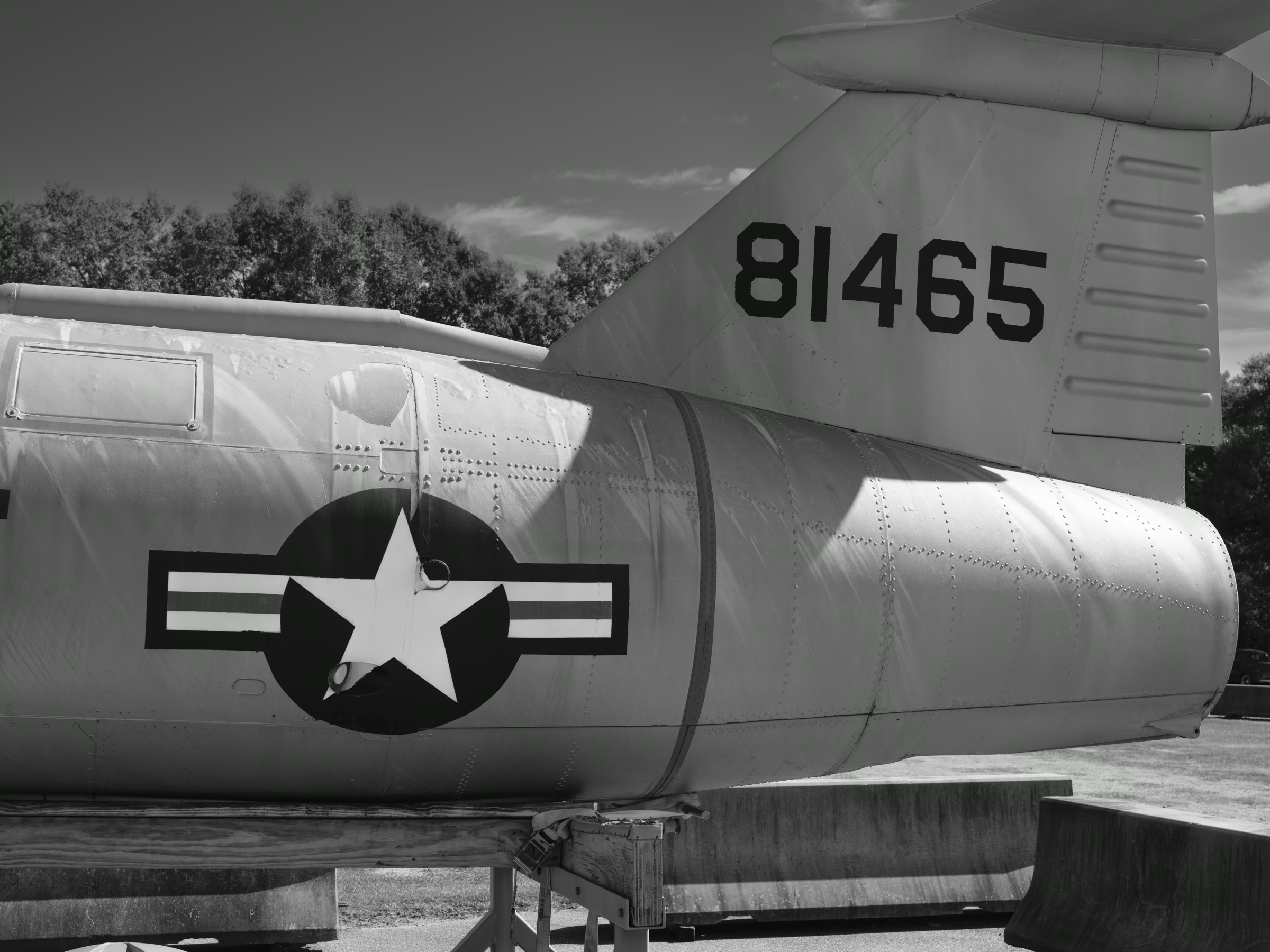
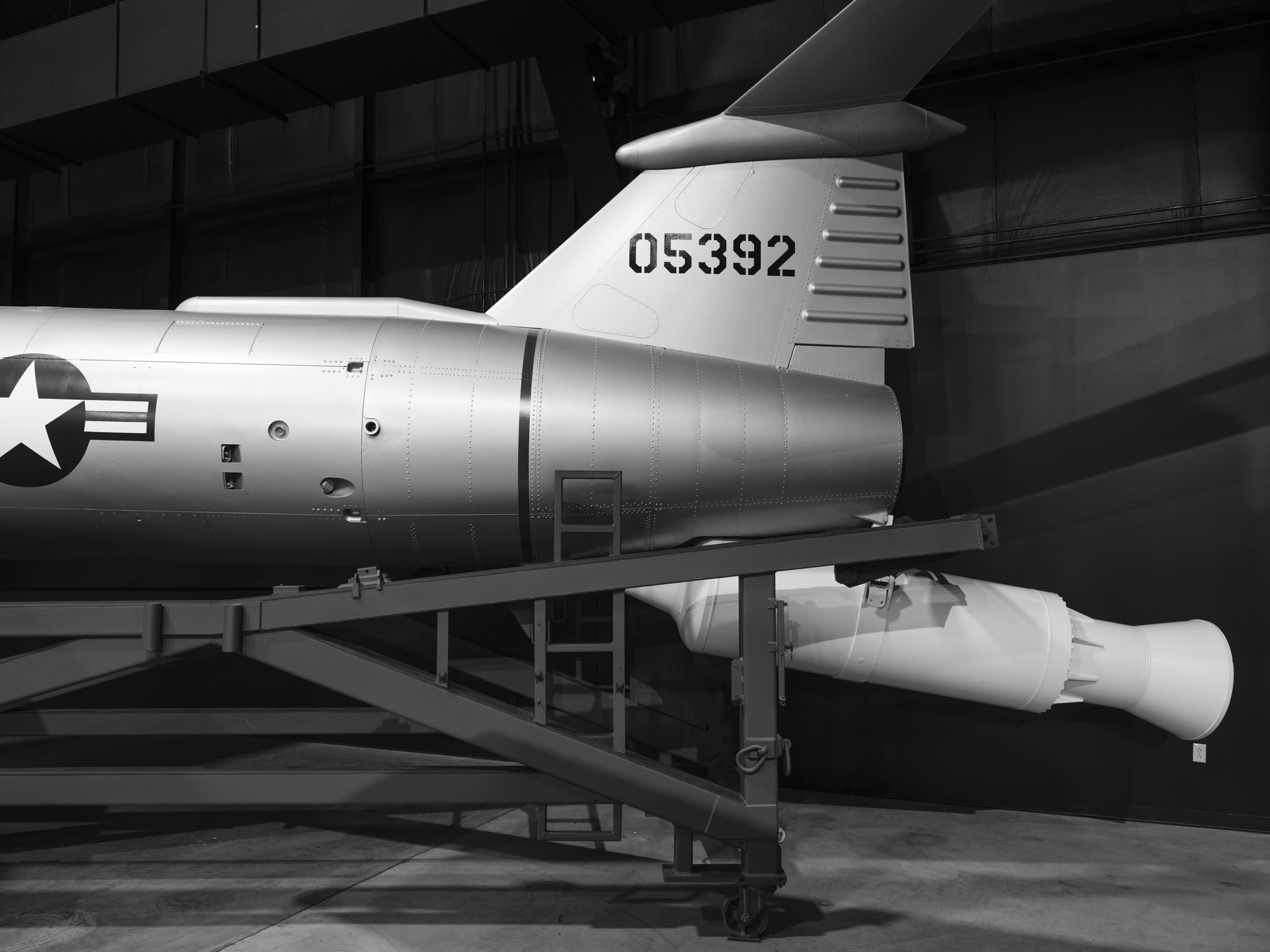
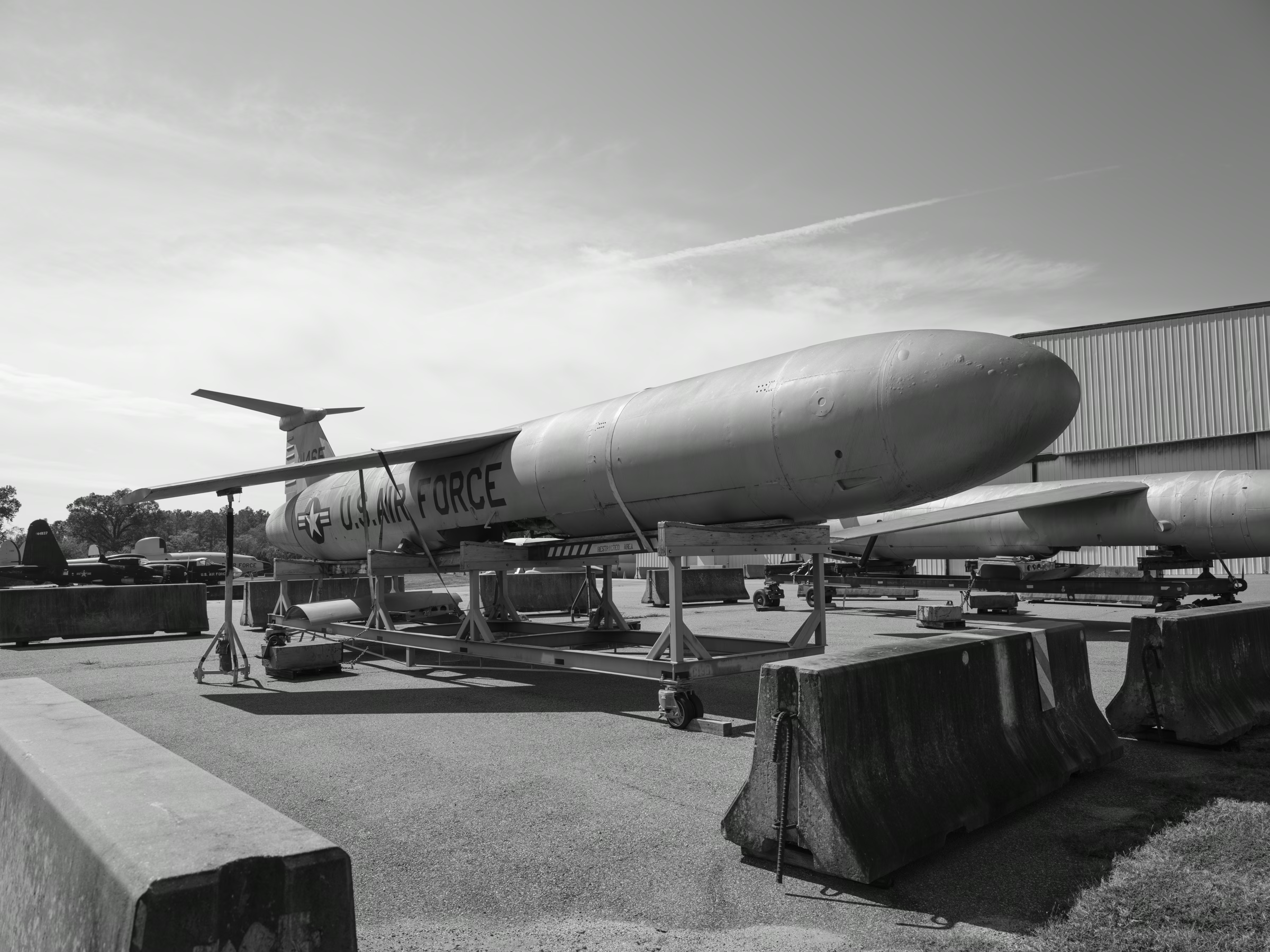
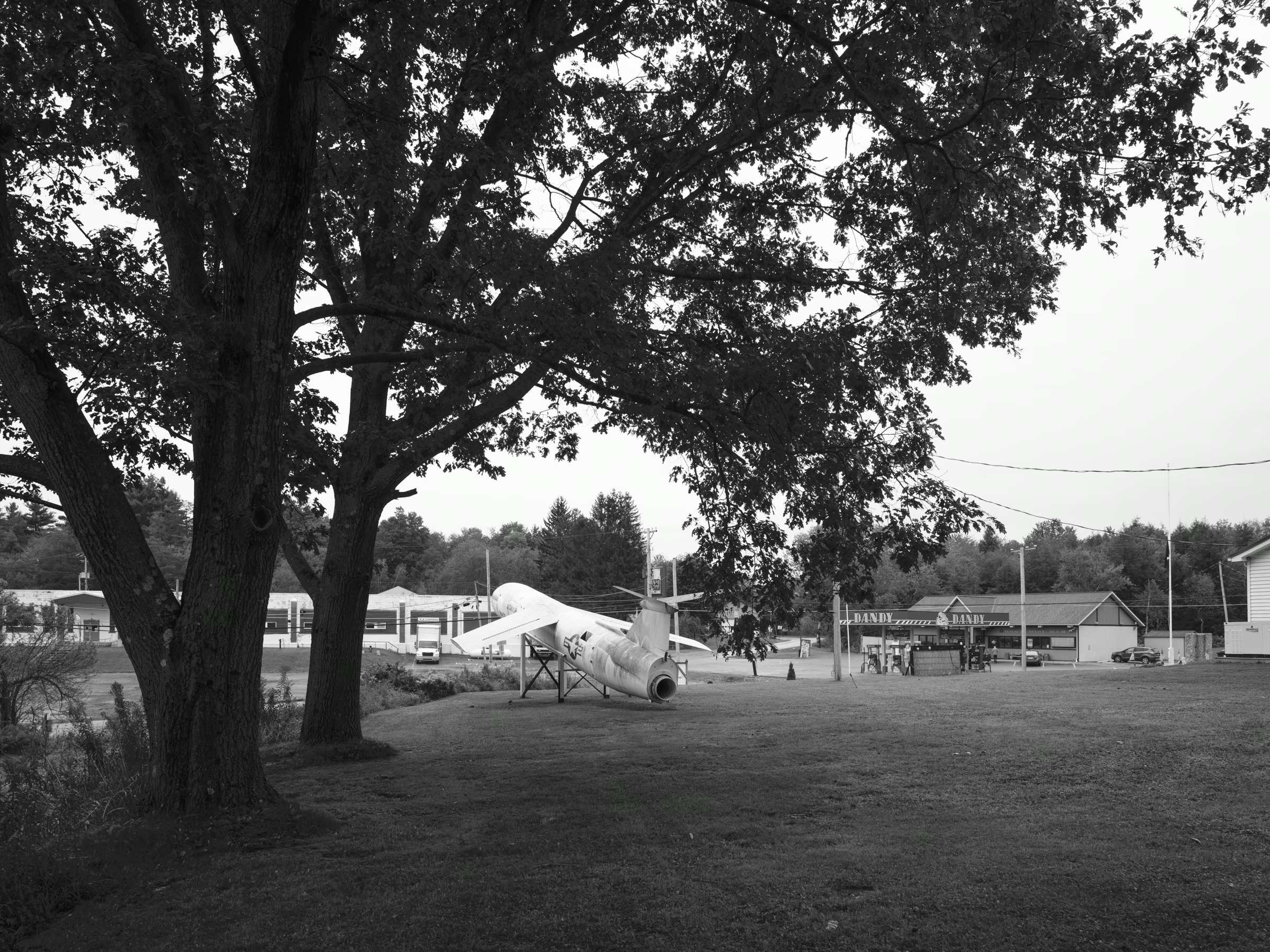
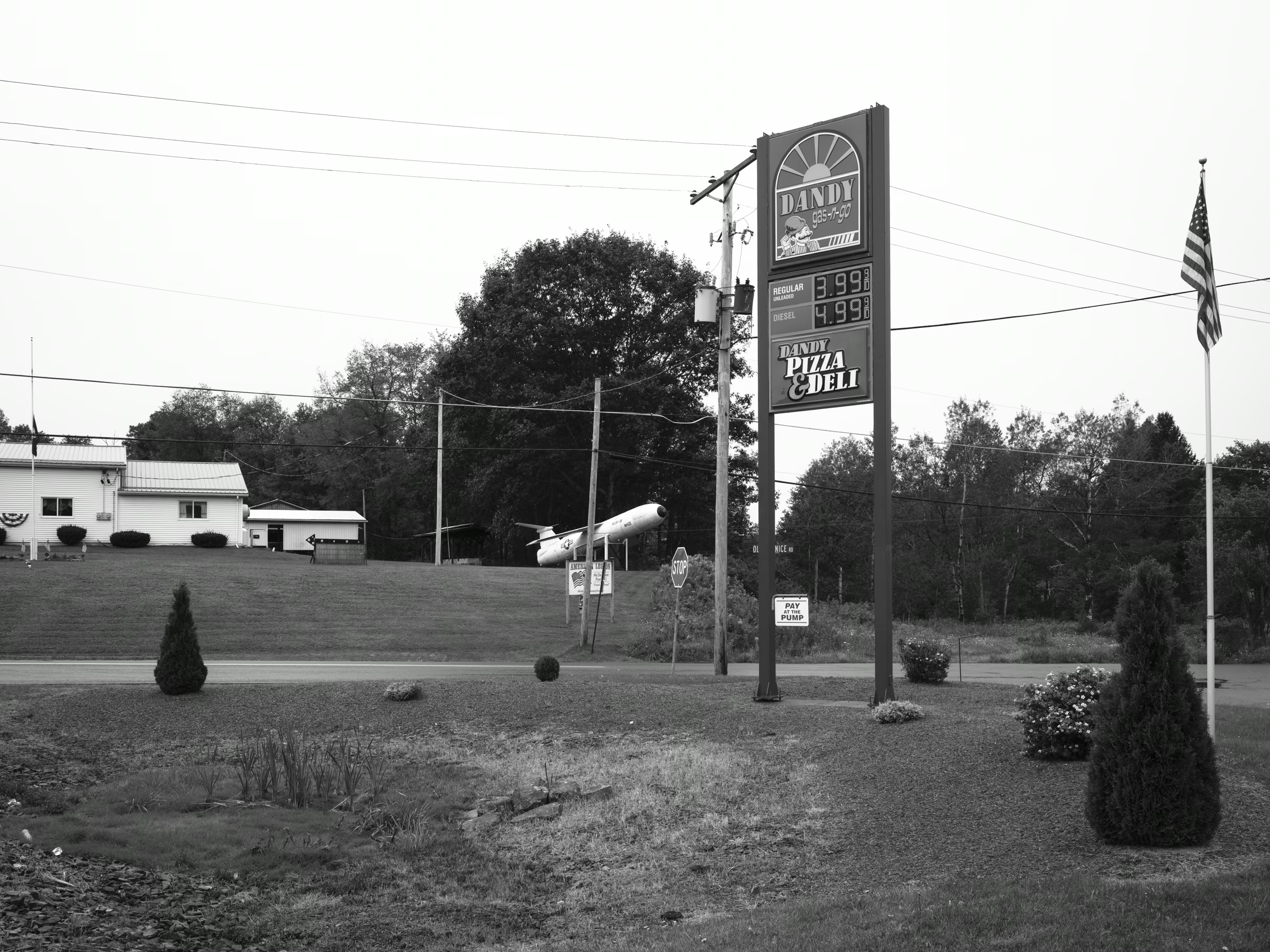
Weapon Specifications
Note that the relationship between explosive power and destruction is not linear—a weapon’s destructive effects grow far more slowly than its explosive power.
Explosive Power
1.1 Megaton
Hiroshima Equivalent Factor
73x
Dimensions
44 ft, 9 inches x 22 ft., 11 inches (wingspan)
Weight
18,750 lbs.
Range
1500 miles, Mach 0.9
Year(s)
1959–1969
Purpose
Longer-range, better, surface-to-surface cruise missile
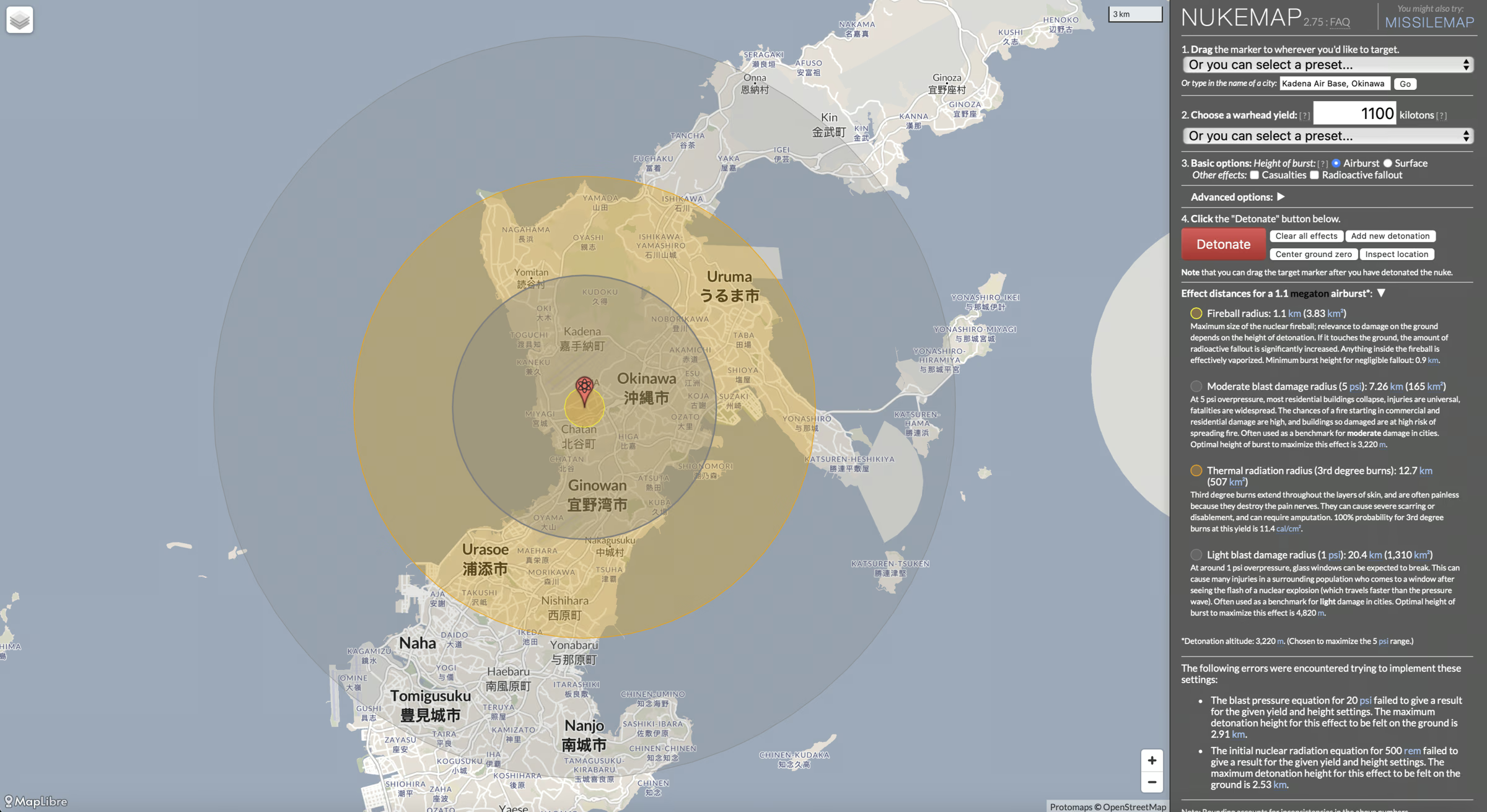
NukeMap
Simulated destruction of a Mace missile, at the Kadena Air Base in Okinawa, Japan. Click on the map to change parameters.
Videos
These curated videos provide additional context for this weapon — showing test footage, deployment scenes, technical explanations, interviews, or other historical material, allowing viewers to go deeper into the weapon’s design, use, and place in nuclear history.
Further Reading
- Wikipedia, AAFM, Designation Systems
- The Mace missile evolved directly from the Matador.
- The background on the Mace with a stunning photograph of a launch.
- George Mindling has an extensive web page related to the Mace, motivated by his years of service with the Air Force where he worked with these weapons. Follow the various links.
- Nuclear weapons in Japan, surprise, surprise. The National Security Archive shares relevant documents about the Mace and other weapons in a 2016 post.
- A history of missile testing at Cape Canaveral, which includes the Mace (page 60).
- First published in The Japan Times Online in 2012, this article tells the story of the Mace Air Force personnel during the Cuban Missile Crisis.
- A short history of the 498th Nuclear Systems Wing, which operated the Mace missiles.
- As of 2024 the Air Force is seeking to develop a new stand-off, air-launched weapon (perhaps a new cruise missile) which they have named “MACE.” In Air Force-speak MACE is an acronym for “Multi-Mission Affordable Capacity Effector” which is described in thsi Request for Information document.