Mark 57/B57 Bomb
A nuclear bomb and depth charge for the Navy
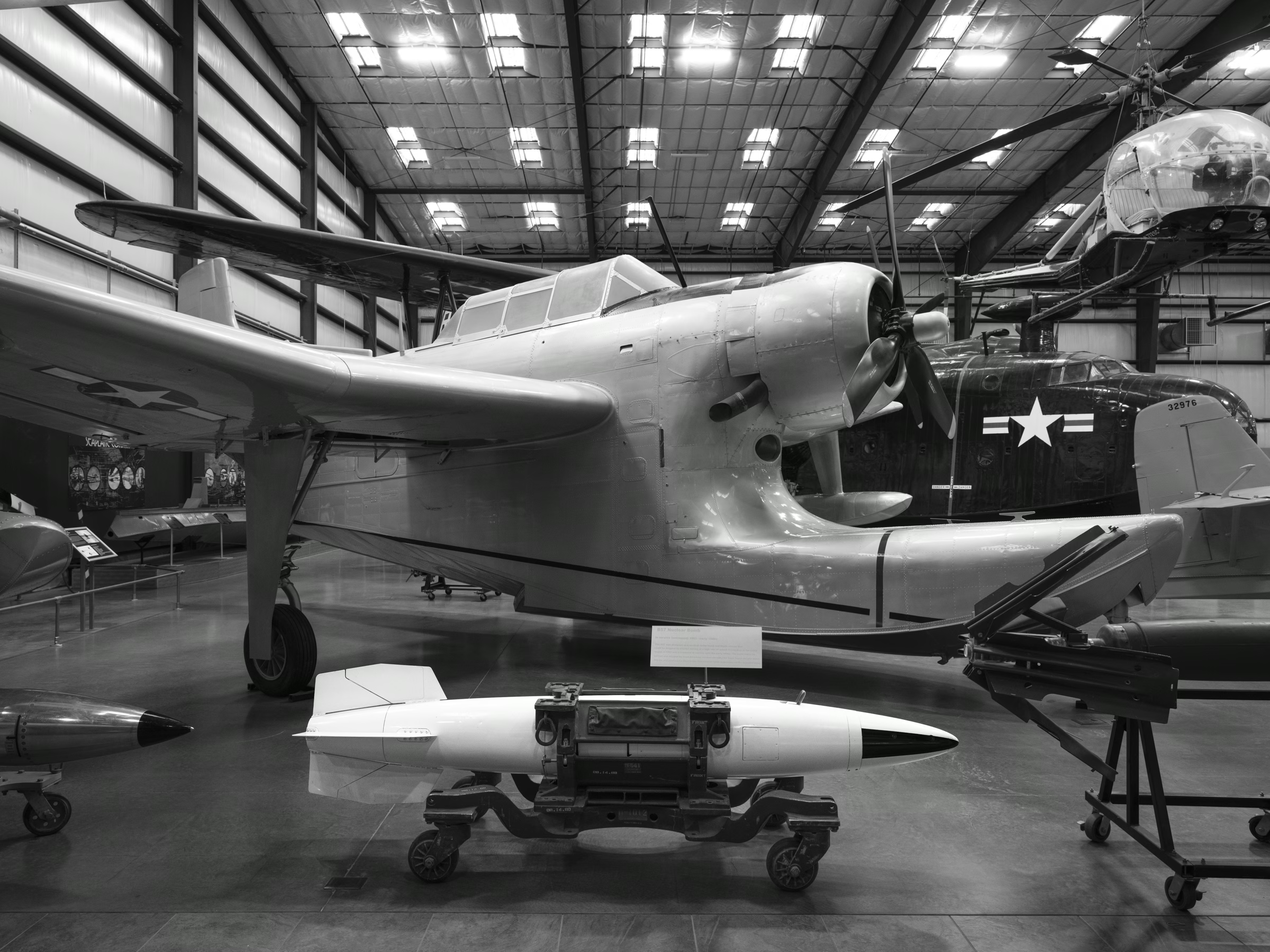
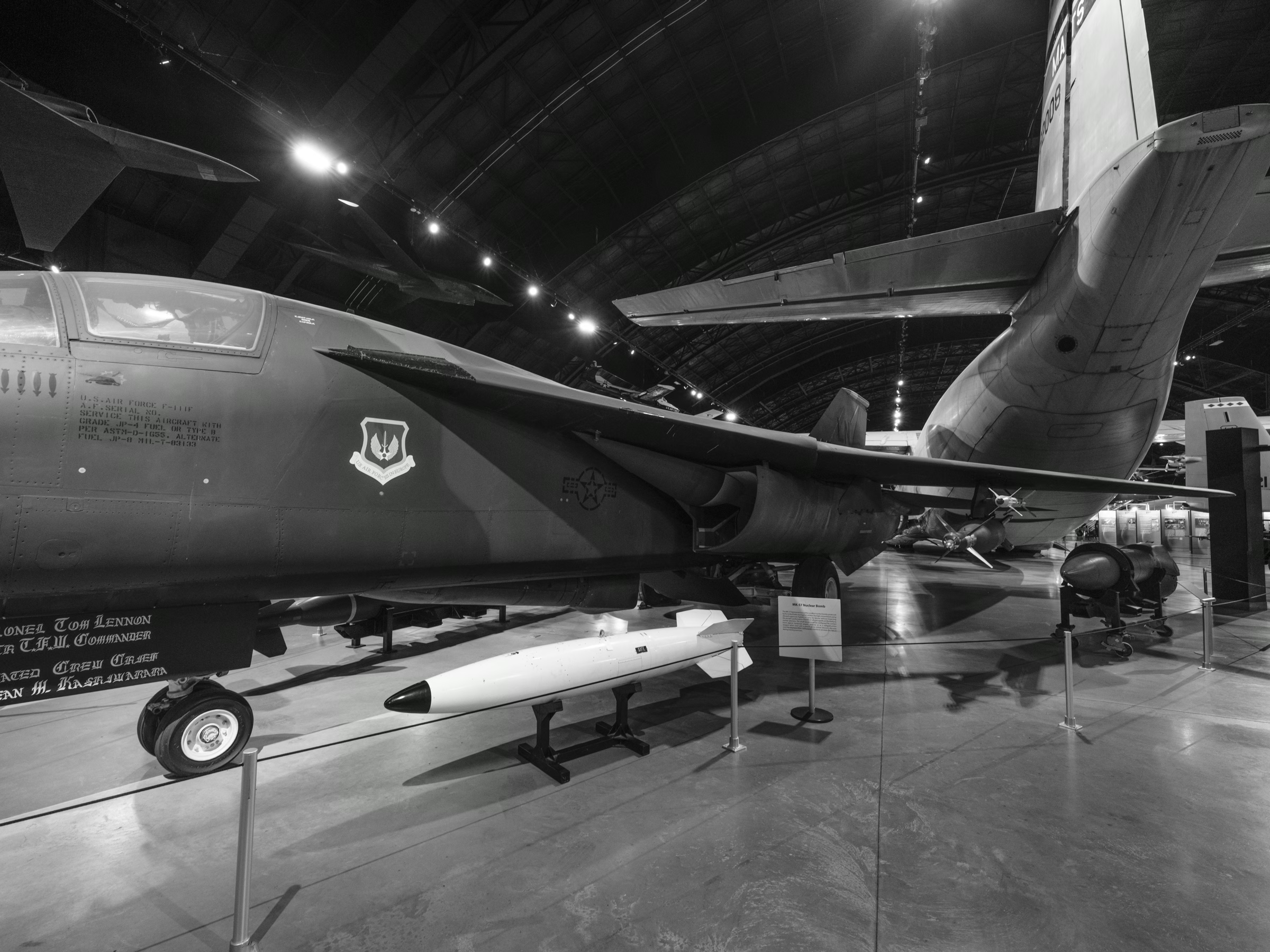
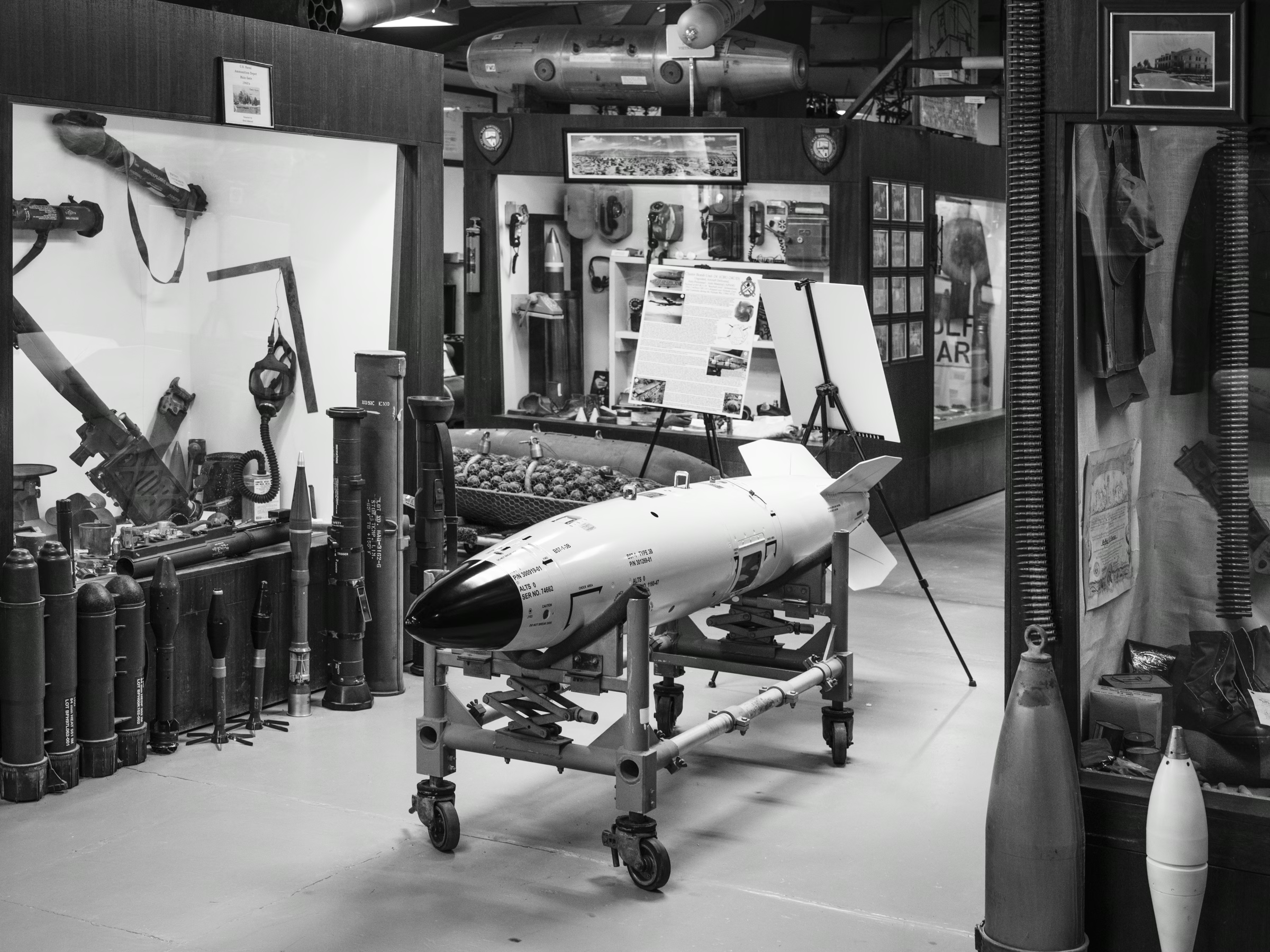
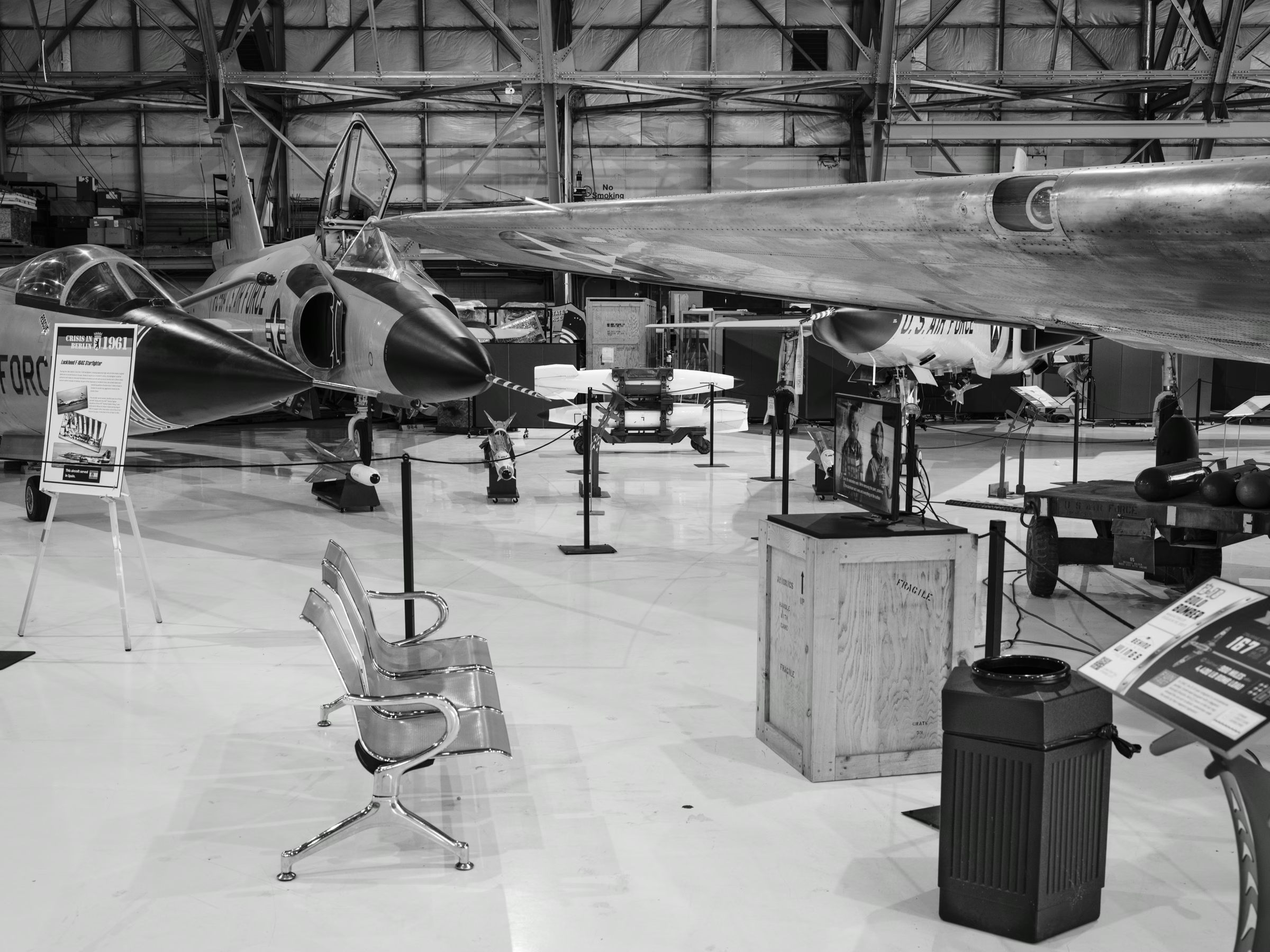

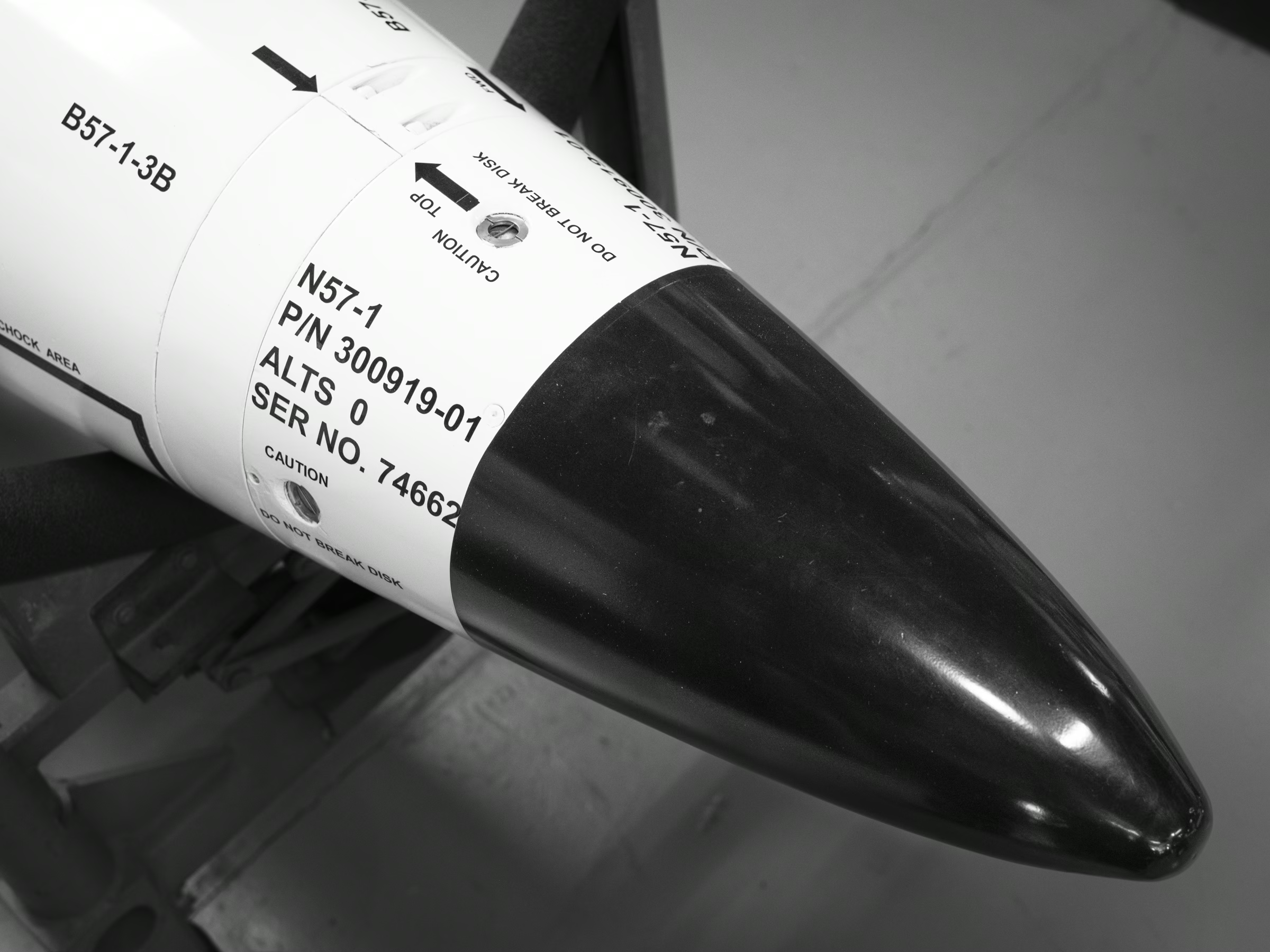
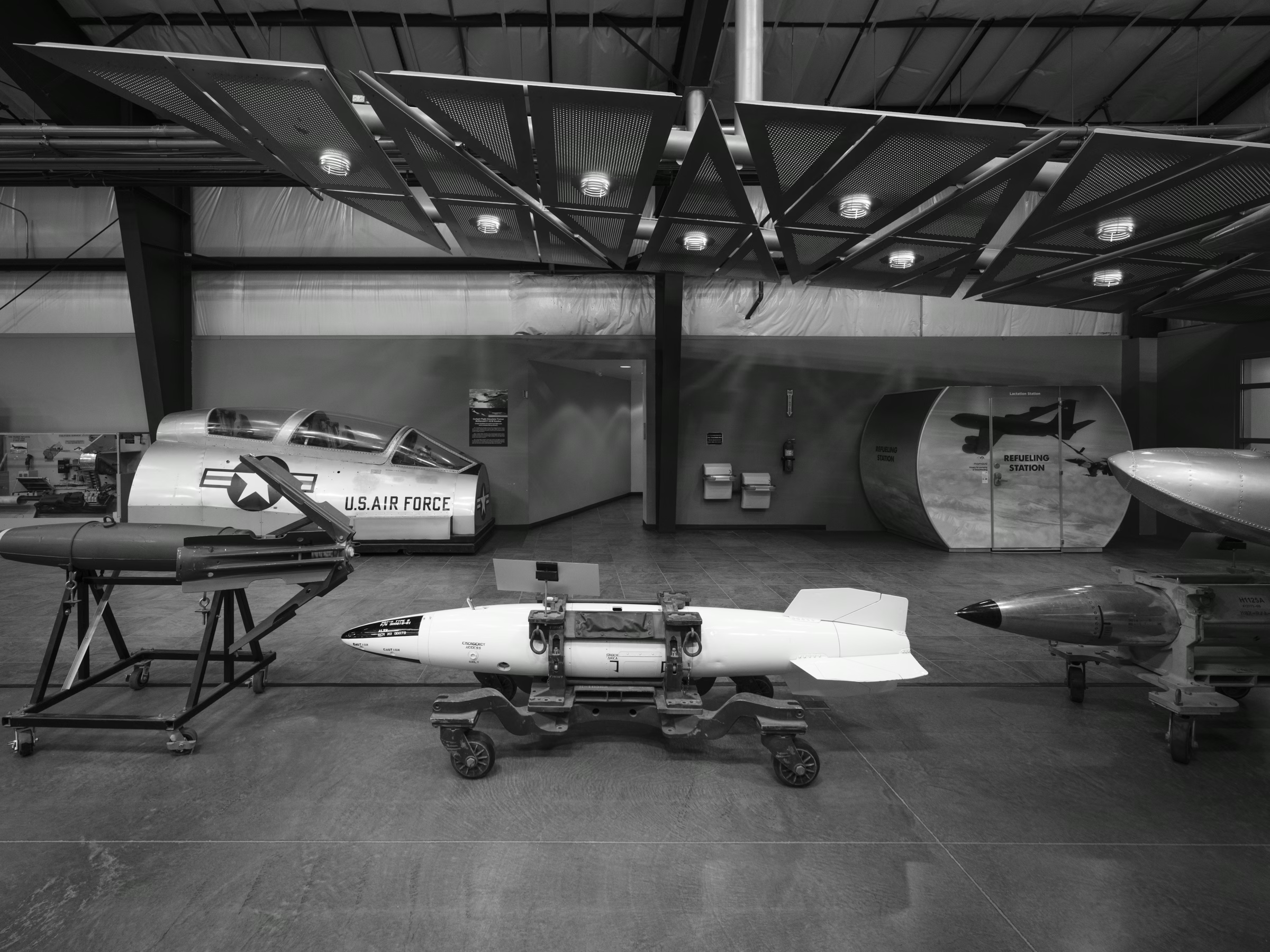
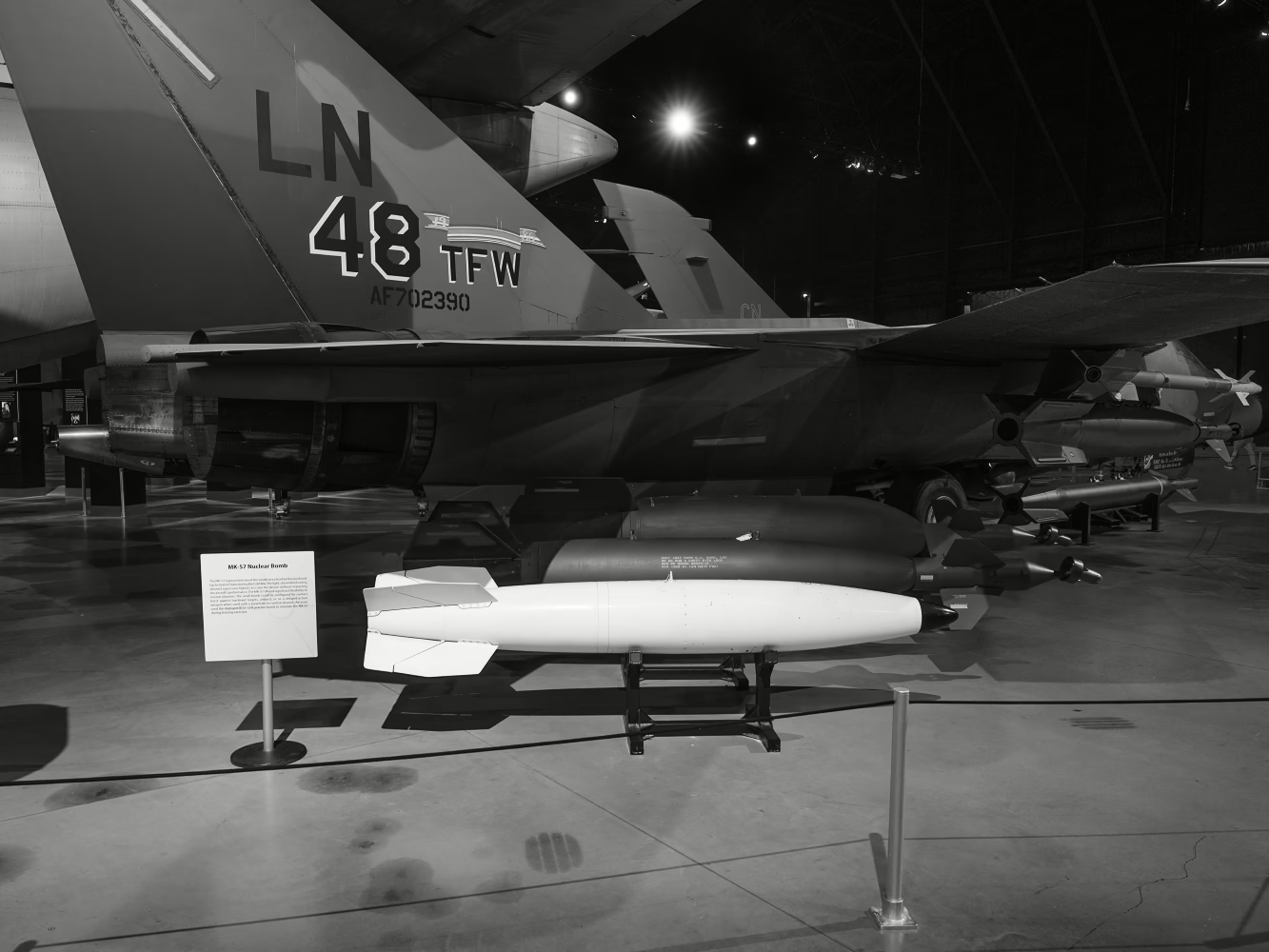
Weapon Specifications
Note that the relationship between explosive power and destruction is not linear—a weapon’s destructive effects grow far more slowly than its explosive power.
Explosive Power
5 to 20 kilotons
Hiroshima Equivalent Factor
1/3rd to 1.3x
Dimensions
9 ft., 10 inches x 14.75 inches
Weight
500 lbs.
Year(s)
1963–1992
Purpose
Naval anti-ship and sub
NukeMap
Simulated destruction of a Mark 57 bomb, at Sasebo, Japan. Click on the map to change parameters.

Videos
These curated videos provide additional context for this weapon — showing test footage, deployment scenes, technical explanations, interviews, or other historical material, allowing viewers to go deeper into the weapon’s design, use, and place in nuclear history.
Further Reading
- Wikipedia
- “The History of the Mk 57 Bomb,” written by Sandia National Labs, charts the development of the weapon.
- Pantex, the outfit involved in disassembling nuclear weapons, among other responsibilities, writes in its history of their achievements dismantled the final B57 in 1995 (see page 357)–there are also several interesting photos of the B57, throughout.. Also note the mention of problems with its parachute.
- The Richard Nixon Library put together an exhibit, Cold War: Soviets, Spies and Secrets, which includes a B57. The exhibit is touring nationally.
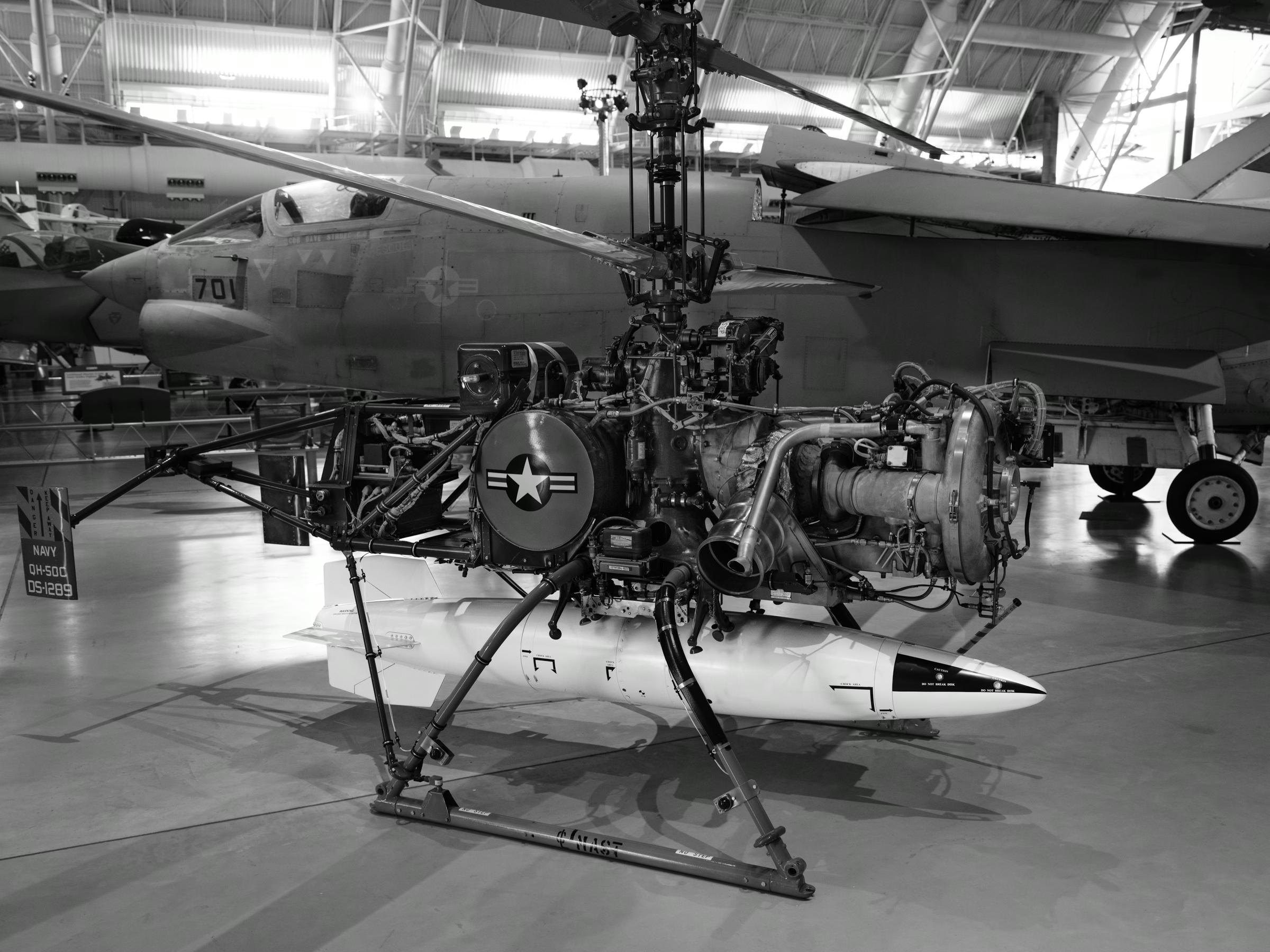
- DASH–a remote-controlled mini-helicopter carrying a B57–is the third of the “weird” weapons profiles here.
- Rarely seen in museums, the B57 was stored with a red nose cap and matching fin guards.
- Scroll down this page (on nuclear weapons in Turkey and overseas) to find an image of a B61 and B57 (and crew) aboard the aircraft carrier USS America.