Spartan
Destroy Enemy ICBMs in Space
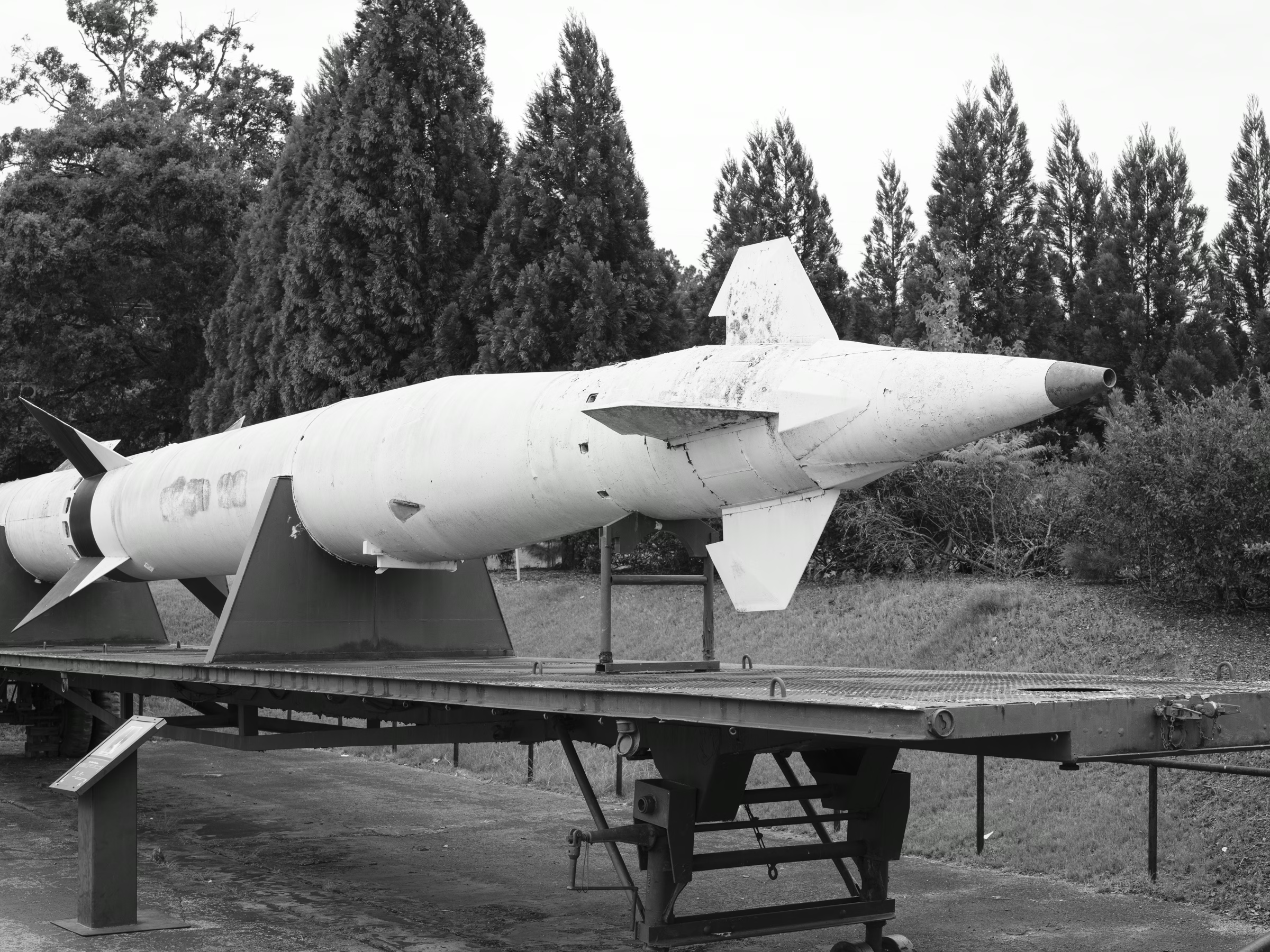
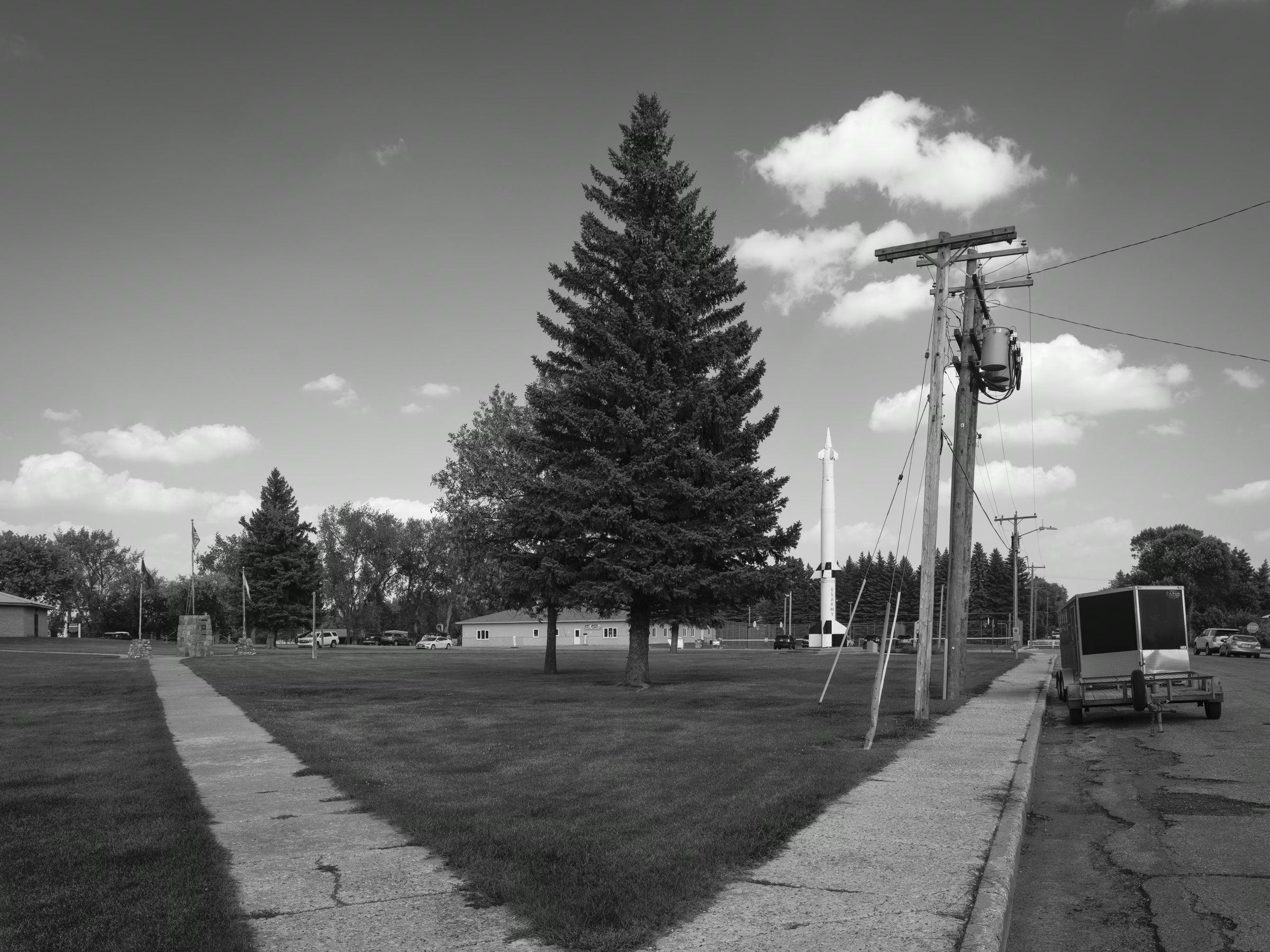
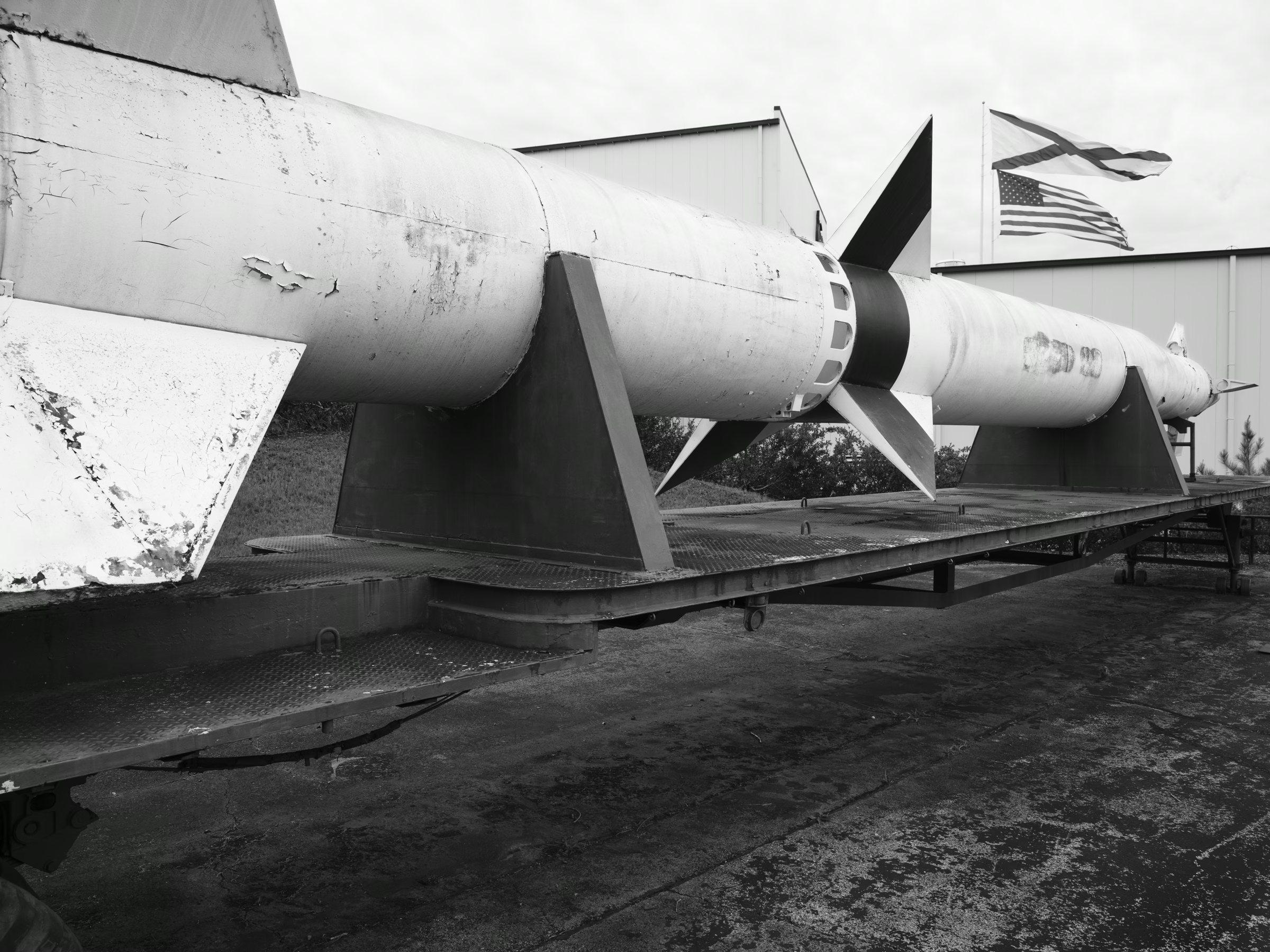
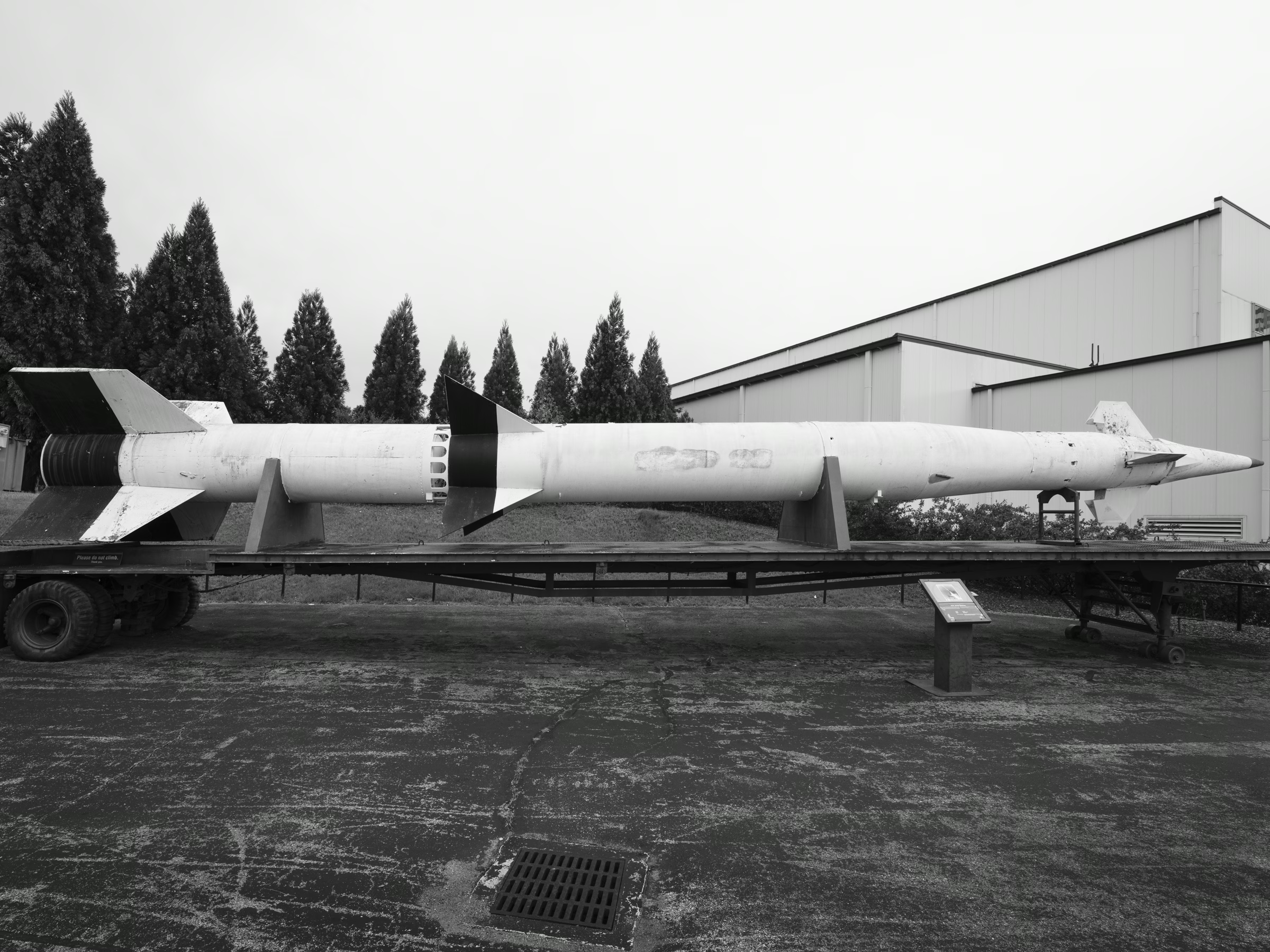
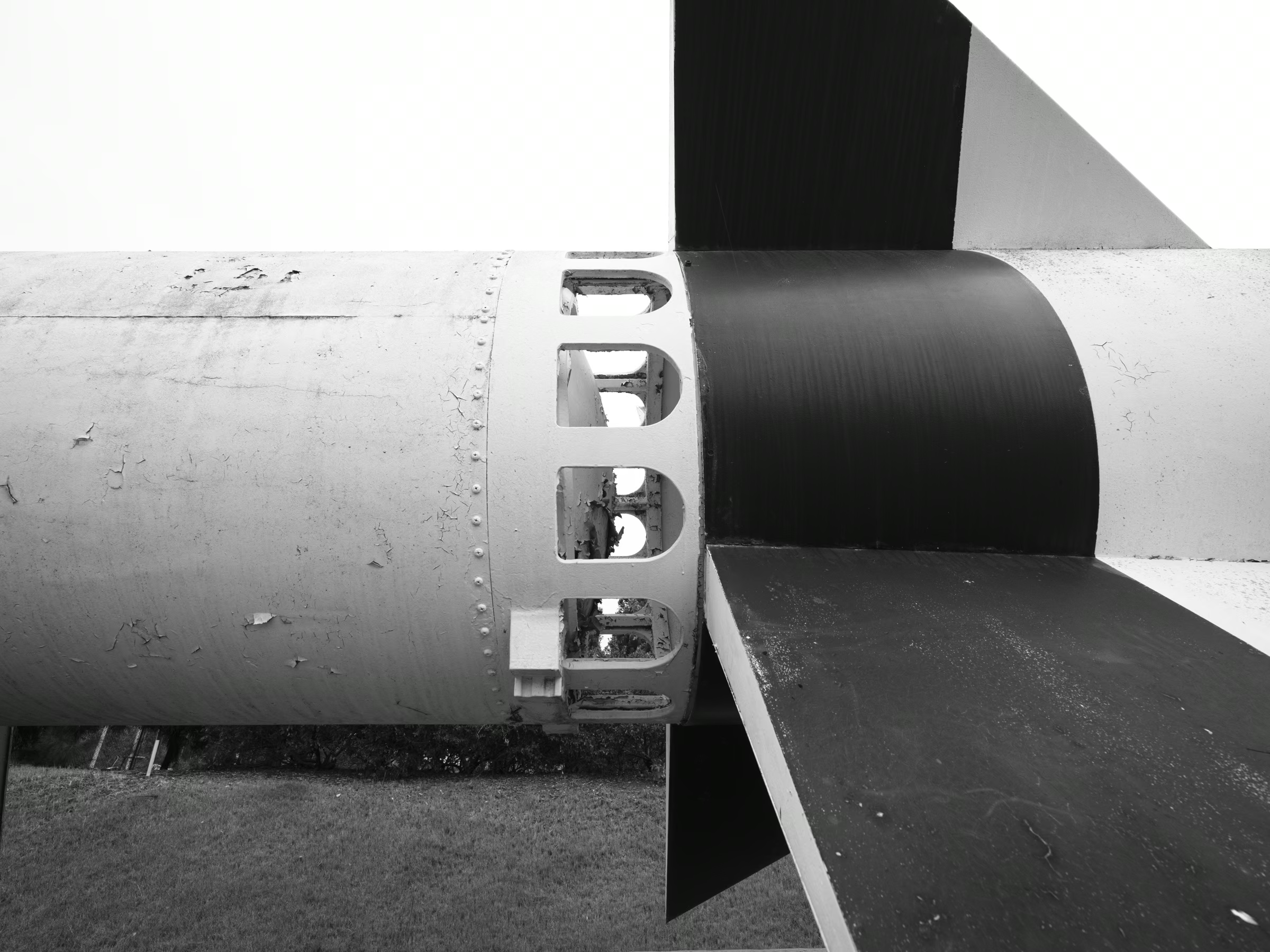
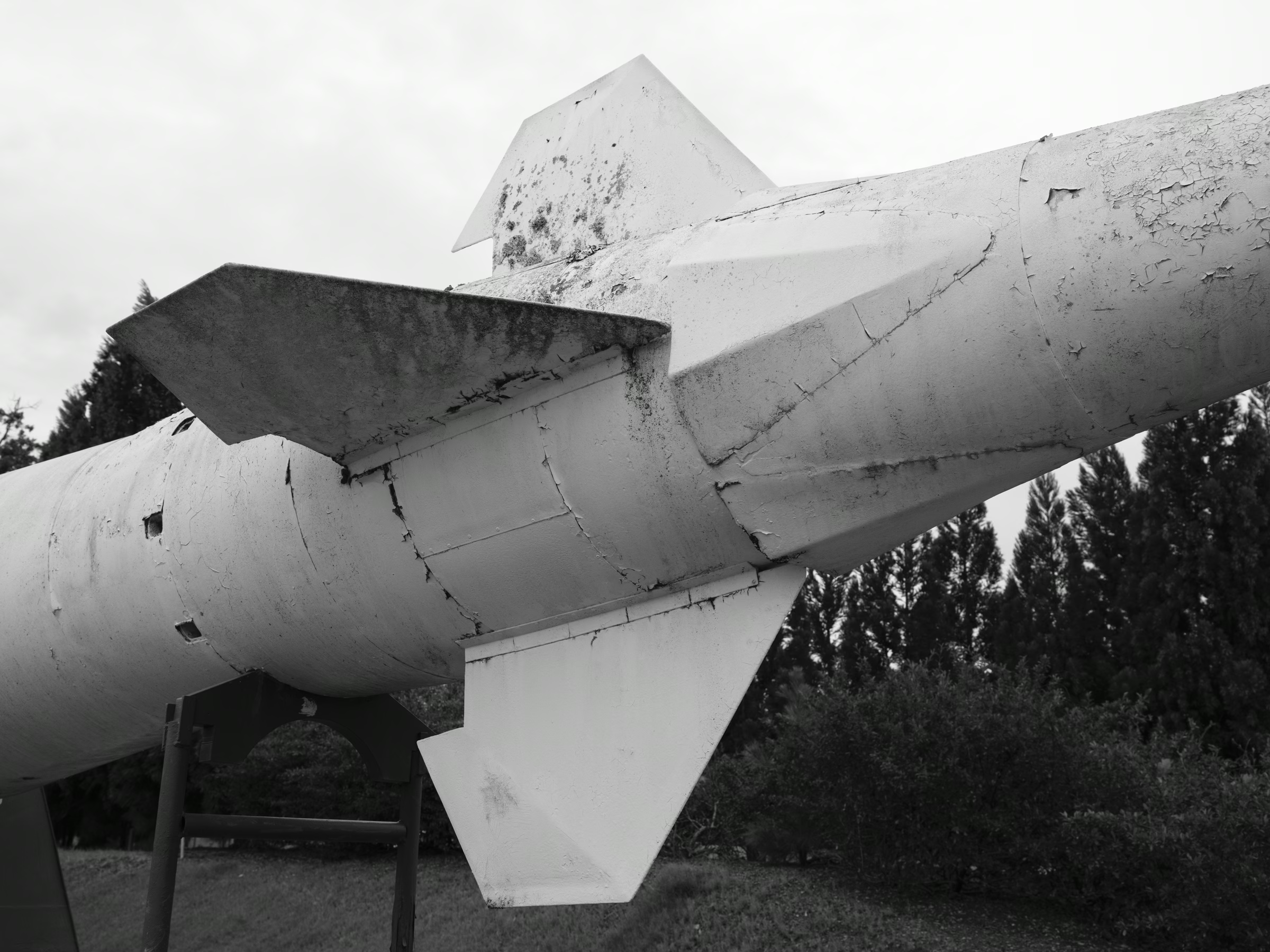
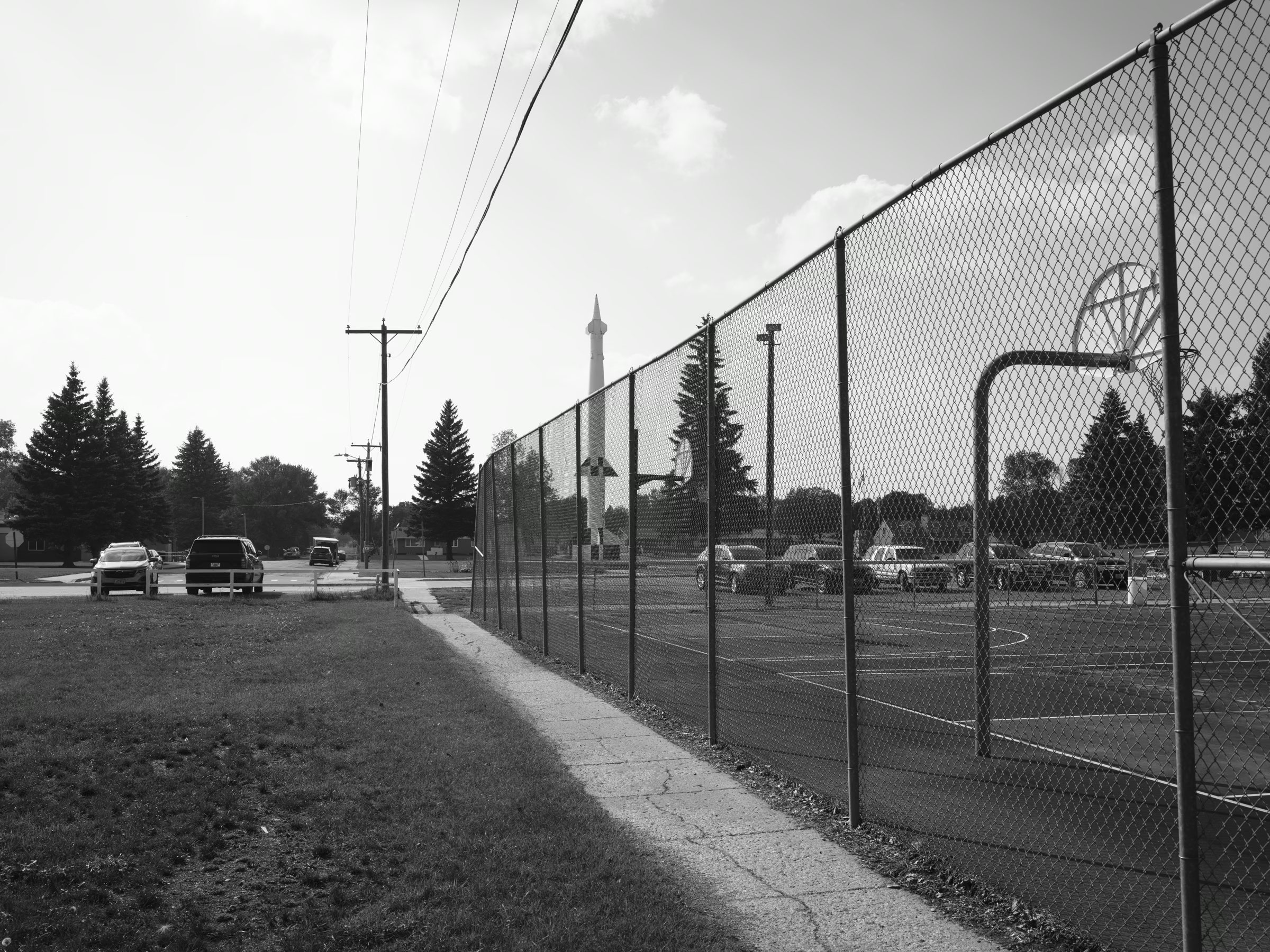
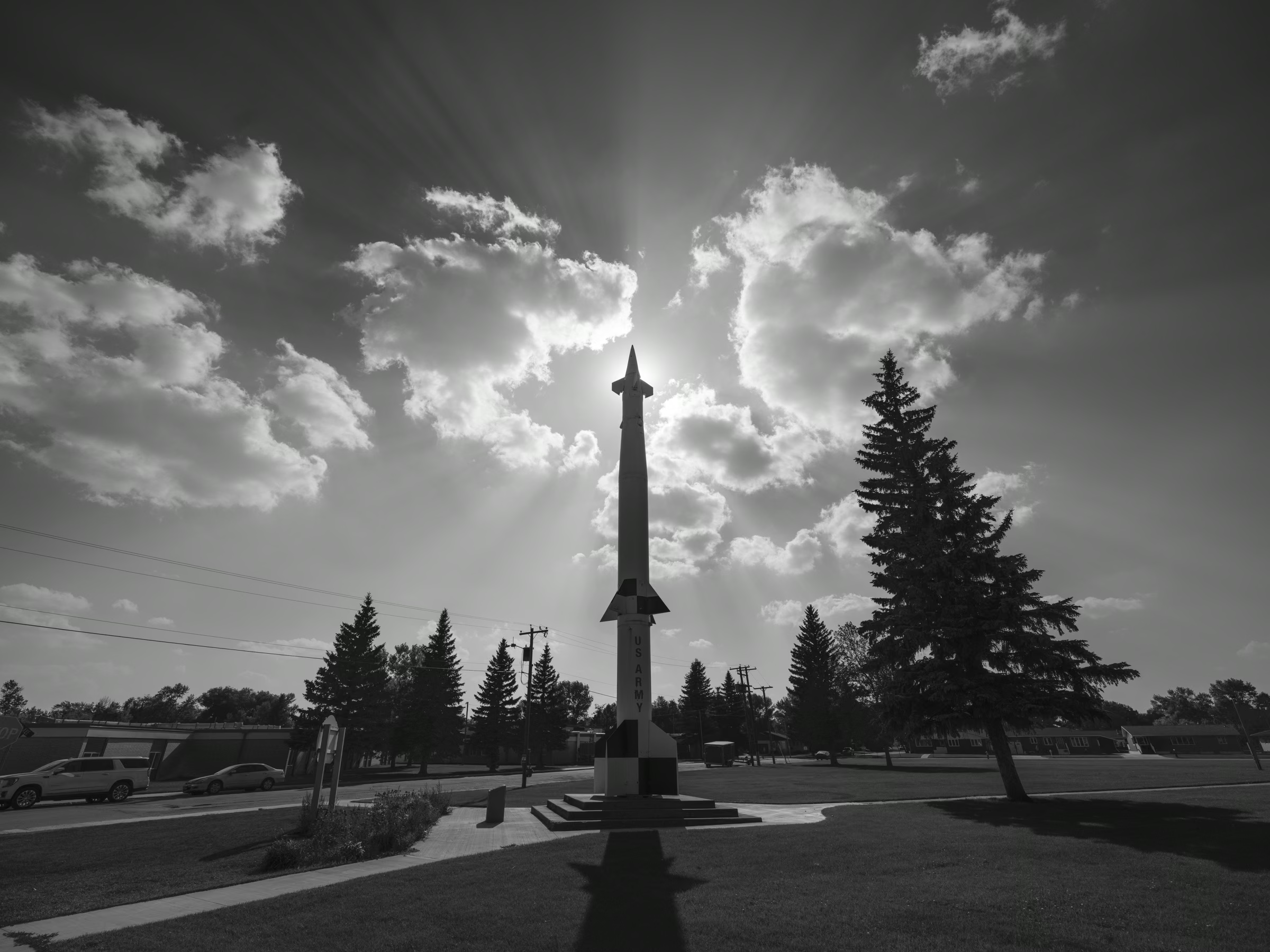
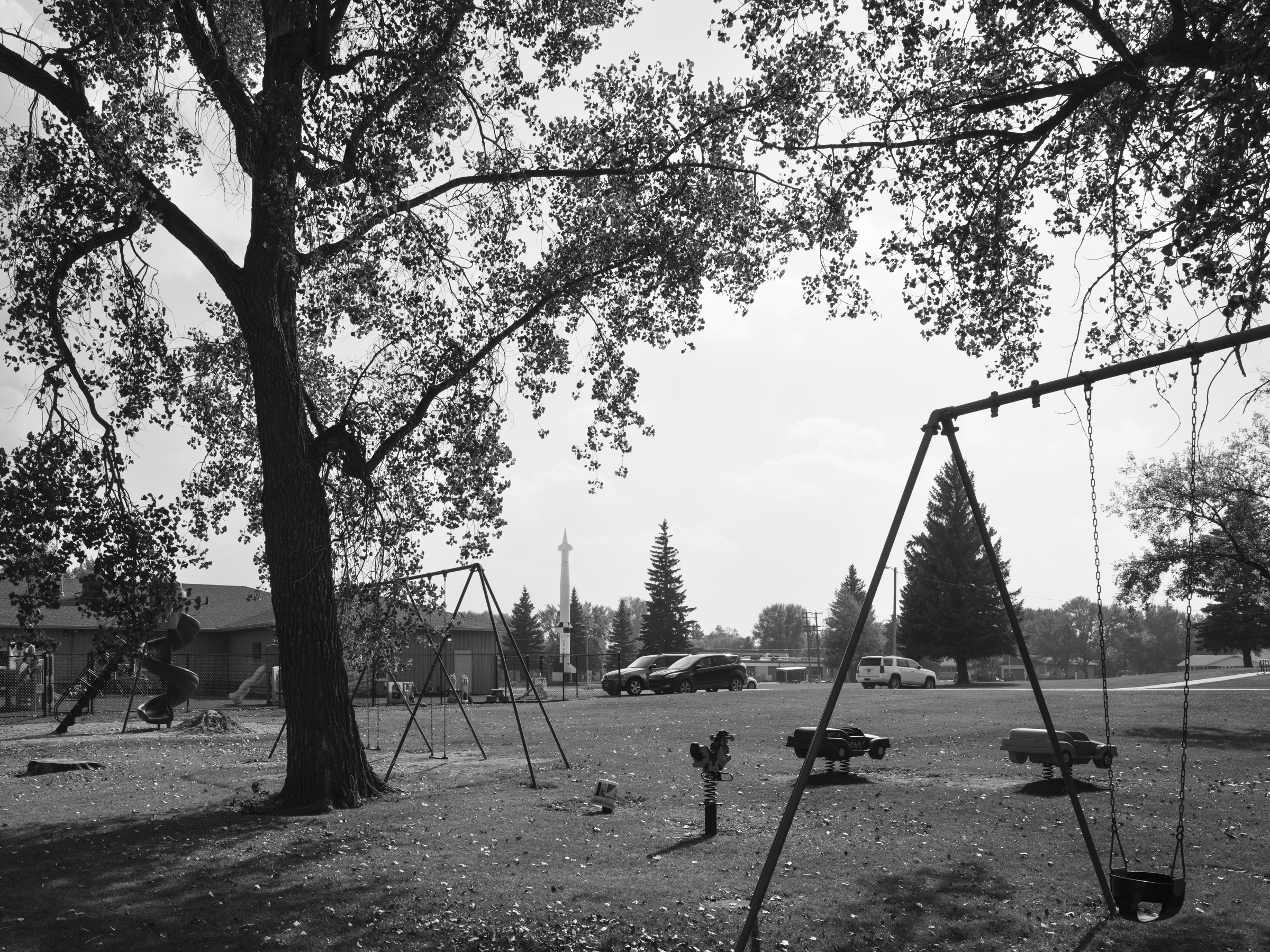
Weapon Specifications
Note that the relationship between explosive power and destruction is not linear—a weapon’s destructive effects grow far more slowly than its explosive power.
Explosive Power
Approx. 5 megatons
Hiroshima Equivalent Factor
333x
Dimensions
55 ft., 2 inches x 43 inches
Weight
29,000 lbs.
Range
460 miles
Year(s)
1975–1976
Purpose
Above atmosphere ABM defense
NukeMap
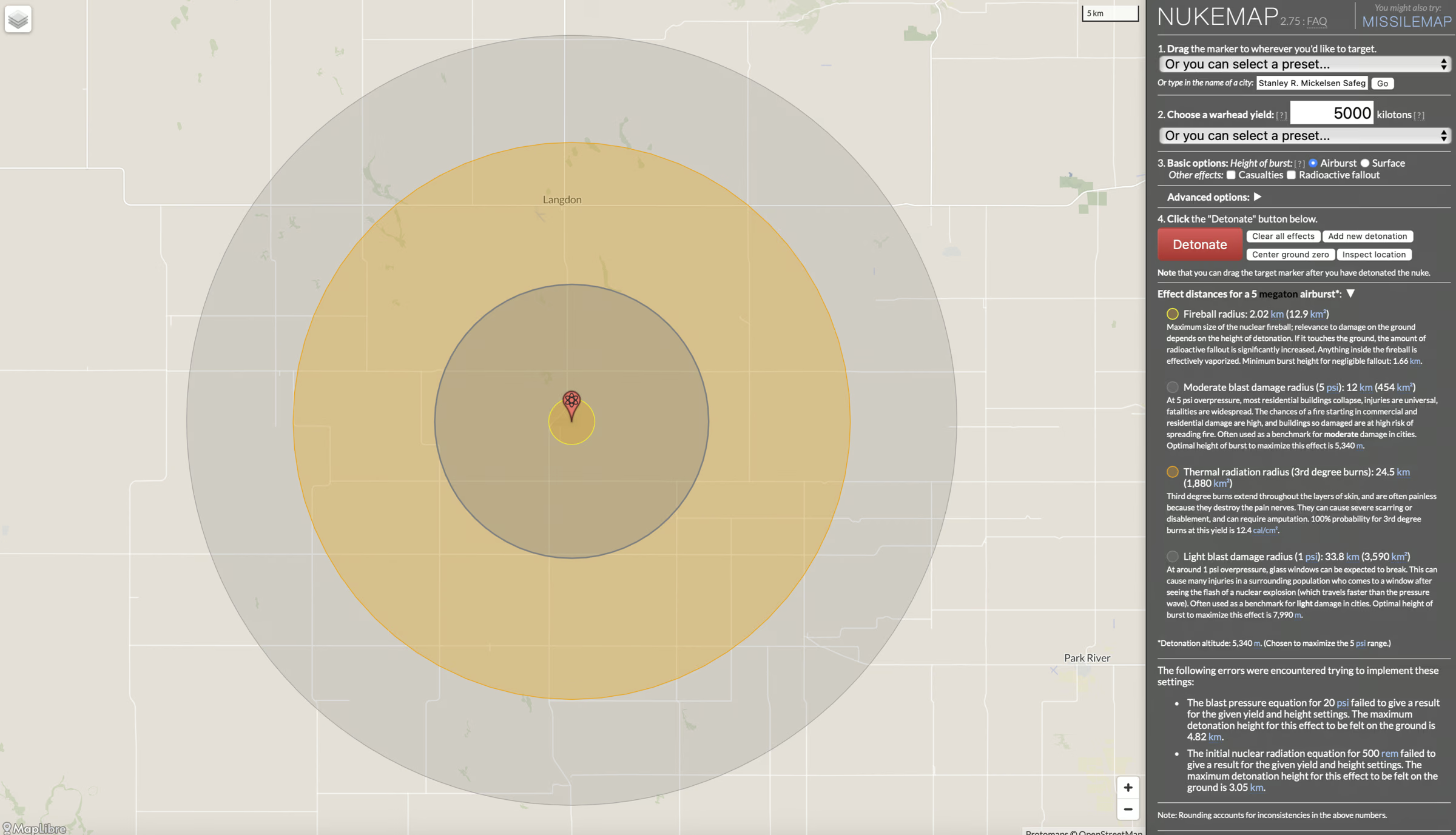
Simulated destruction of a Spartan missile at the Stanley R. Mickelsen Safeguard Complex, near Nekoma, North Dakota. Click on the map to change parameters.
Videos
These curated videos provide additional context for this weapon — showing test footage, deployment scenes, technical explanations, interviews, or other historical material, allowing viewers to go deeper into the weapon’s design, use, and place in nuclear history.
Further Reading
- Wikipedia, Designation Systems
- Seize the High Ground: the Army in Space and Missile Defense outines the role of the Spartan in the context of the Safeguard ABM Program. The main Spartan section begins on page 56 but the missile is mentioned elsewhere (see the search function). You can also download the document.
- www.astronautix.com has a long list of test launches.
- The Spartan was intended, working with the Sprint missile, to ring US cities to protect them from incoming Soviet ICBMs. The increase in the number of Soviet ICBMs reduced the plan to protect US ICBM bases, and then to a single base, which a congressional committee voted to terminate the day the base became operational. The Army history still sees value in the program.
- The generalstaff.org website has a document entitled ABM Research and Development at Bell Laboratories: Project History, dated October 1975, which contains technical details on the missile (and much more). Chapter 10 specifically addresses the Spartan.
- Missilery.info profiles both the Spartan and the Sprint.