Terrier (RIM-2D)
NUCLEAR anti-aircraft weapon


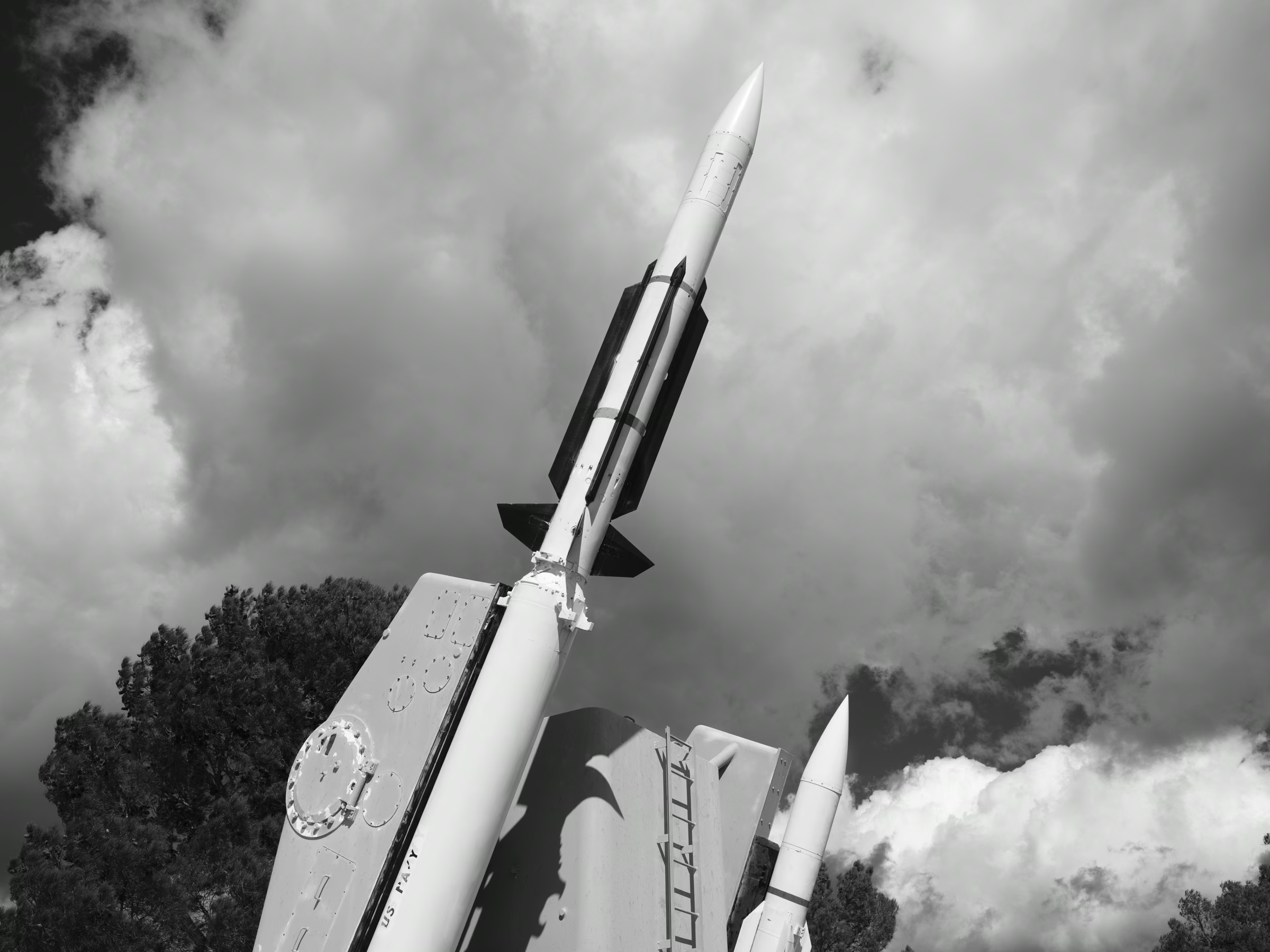
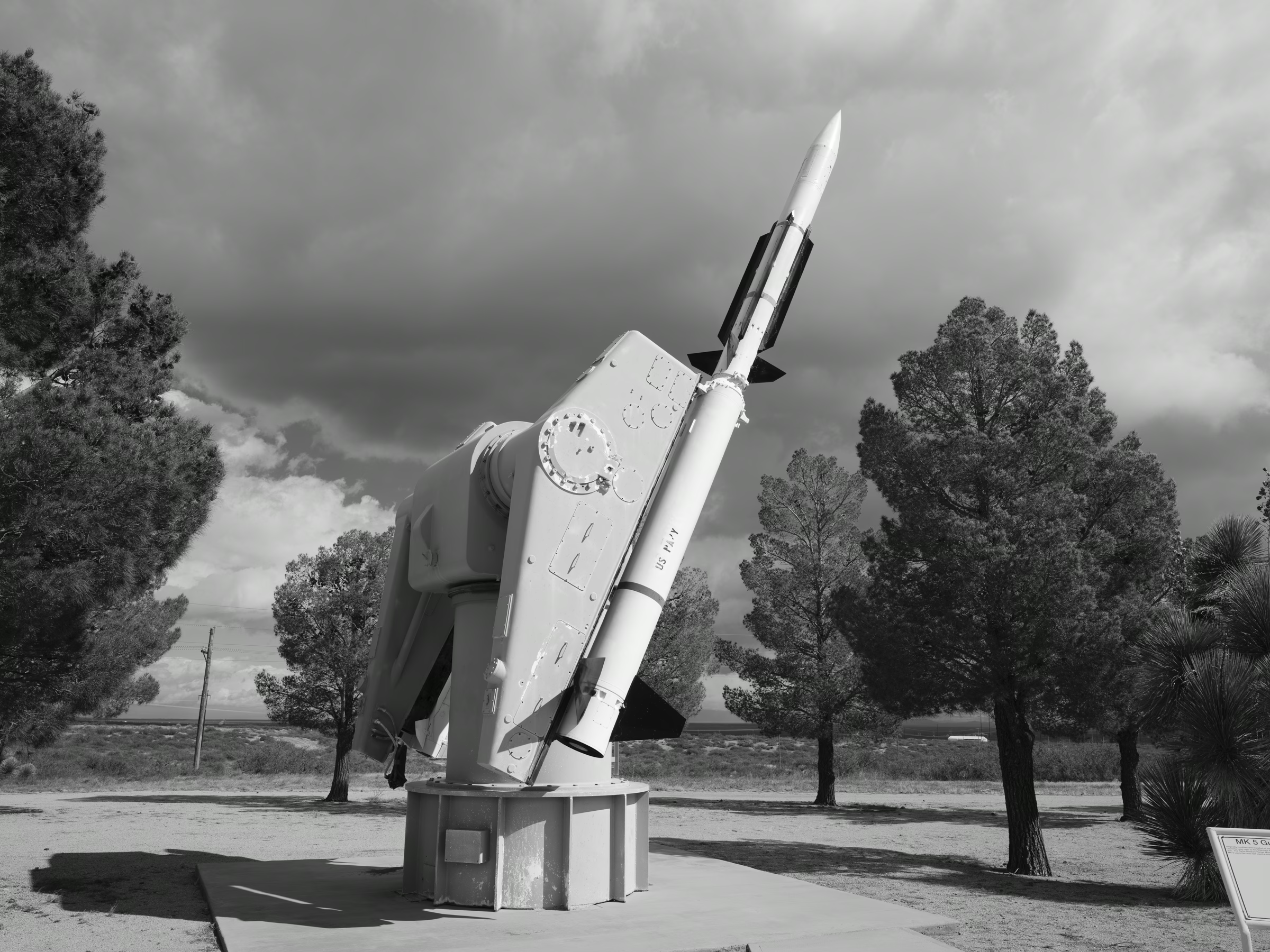
Weapon Specifications
Note that the relationship between explosive power and destruction is not linear—a weapon’s destructive effects grow far more slowly than its explosive power.
Explosive Power
1 kt.
Hiroshima Equivalent Factor
1/15th
Dimensions
26 ft, 4 inches x 18 inches
Weight
3000 lbs.
Range
36 miles, Mach 2.5
Year(s)
TBD
Purpose
Ship-based anti-aircraft
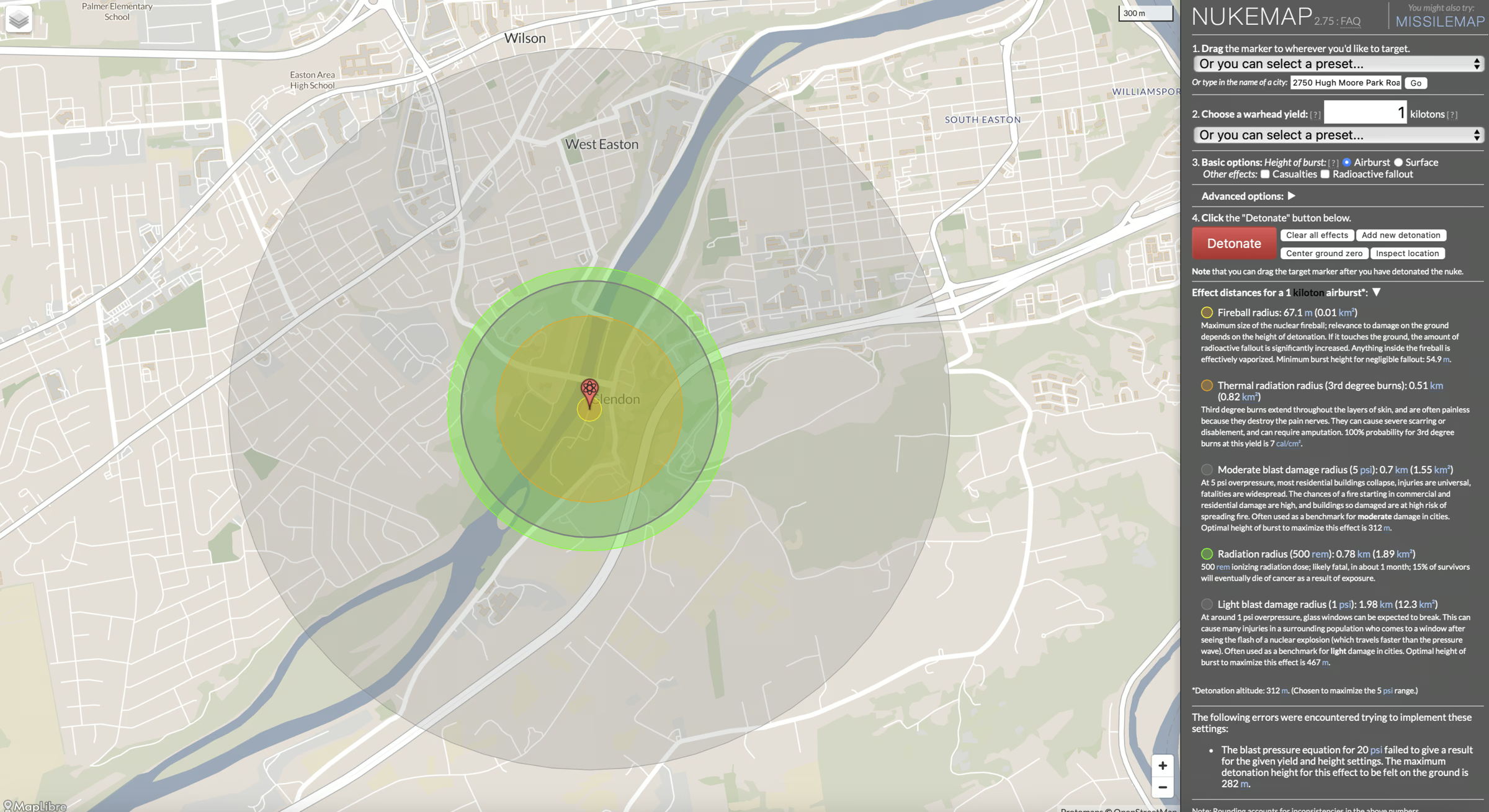
NukeMap
Simulated destruction of a Terrier missile at 2750 Hugh Park Road, in Easton, Pennsylvania. Click on the map to change parameters.
Videos
These curated videos provide additional context for this weapon — showing test footage, deployment scenes, technical explanations, interviews, or other historical material, allowing viewers to go deeper into the weapon’s design, use, and place in nuclear history.
Further Reading
- Wikipedia, Designation Systems
- A chapter from a 1965 history of the Applied Physics Lab at Johns Hopkins offers a detailed history of the Terrier and the lab’s role in its development. Here’s a 1981 history, also from APL at Johns Hopkins.
- Several photographs showing the Terrier in action.
- Additional views (photographed by Flickr user rocbolt) of the Terriers at the rocket garden at White Sands Missile Range, in New Mexico, and at the Nuclear Museum, in Albuquerque.
- An overview of the “3 T family” of missiles born of the Bumblebee program, which includes the Terrier, the Talos, and the non-nuclear Tartar. )
- A collection of archival images of Terrier launches.
- If you are a New York Times subscriber (and, if not, you should be) you can see the article from March 14, 1956, describing the Navy’s first public display of the Terrier. The first sentence: “The Navy proudly displayed today its first anti-aircraft missile, the Terrier, and announced that the age of push-button warfare had come to the sea.”