Titan I
The First Silo-based US ICBM


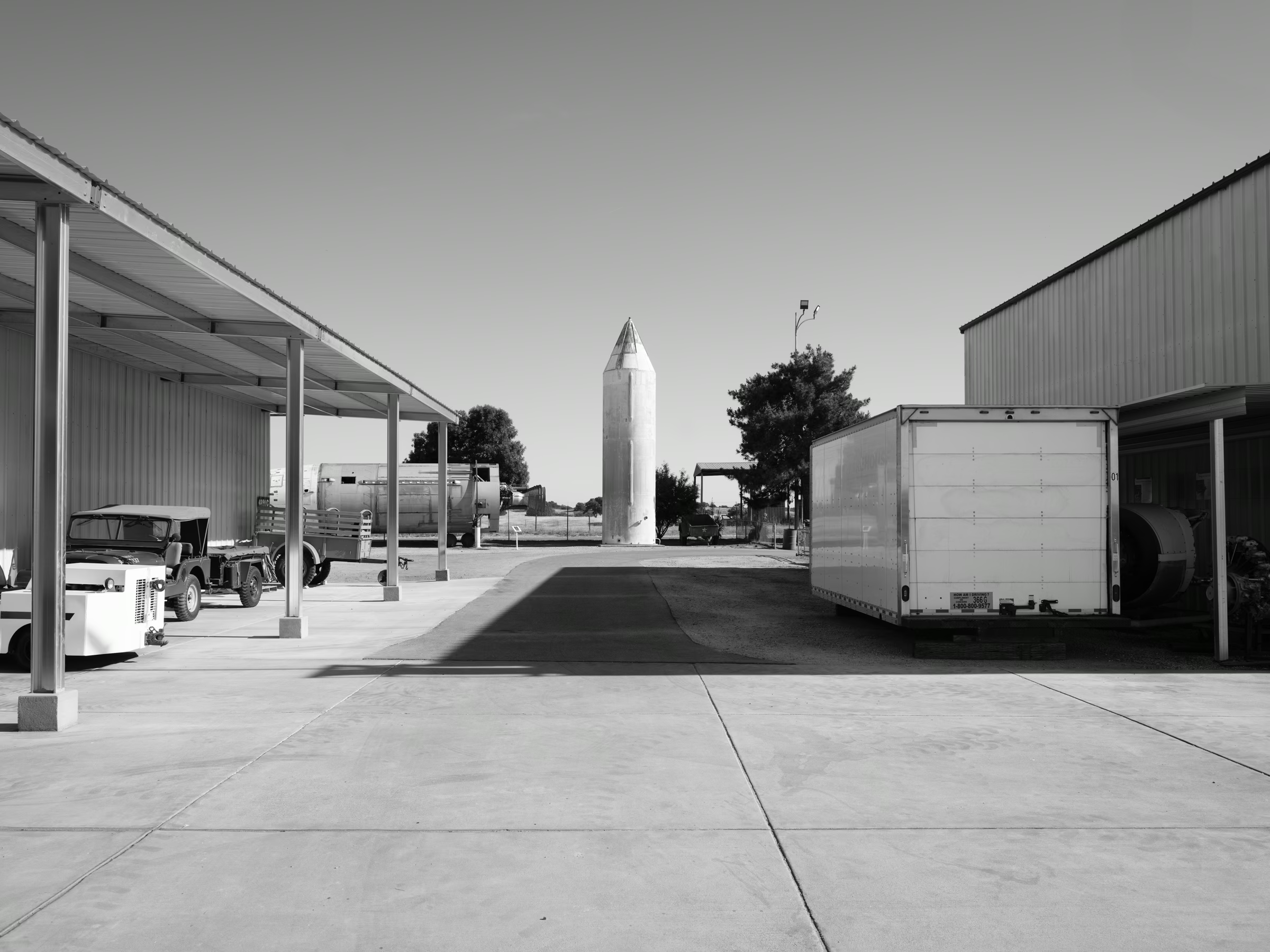
Weapon Specifications
Note that the relationship between explosive power and destruction is not linear—a weapon’s destructive effects grow far more slowly than its explosive power.
Explosive Power
3.75 megatons
Hiroshima Equivalent Factor
250x
Dimensions
102 ft. x 10 ft.
Weight
231,790 lbs.
Range
6101 miles
Year(s)
1963–1965
Purpose
Attack Russia from US soil
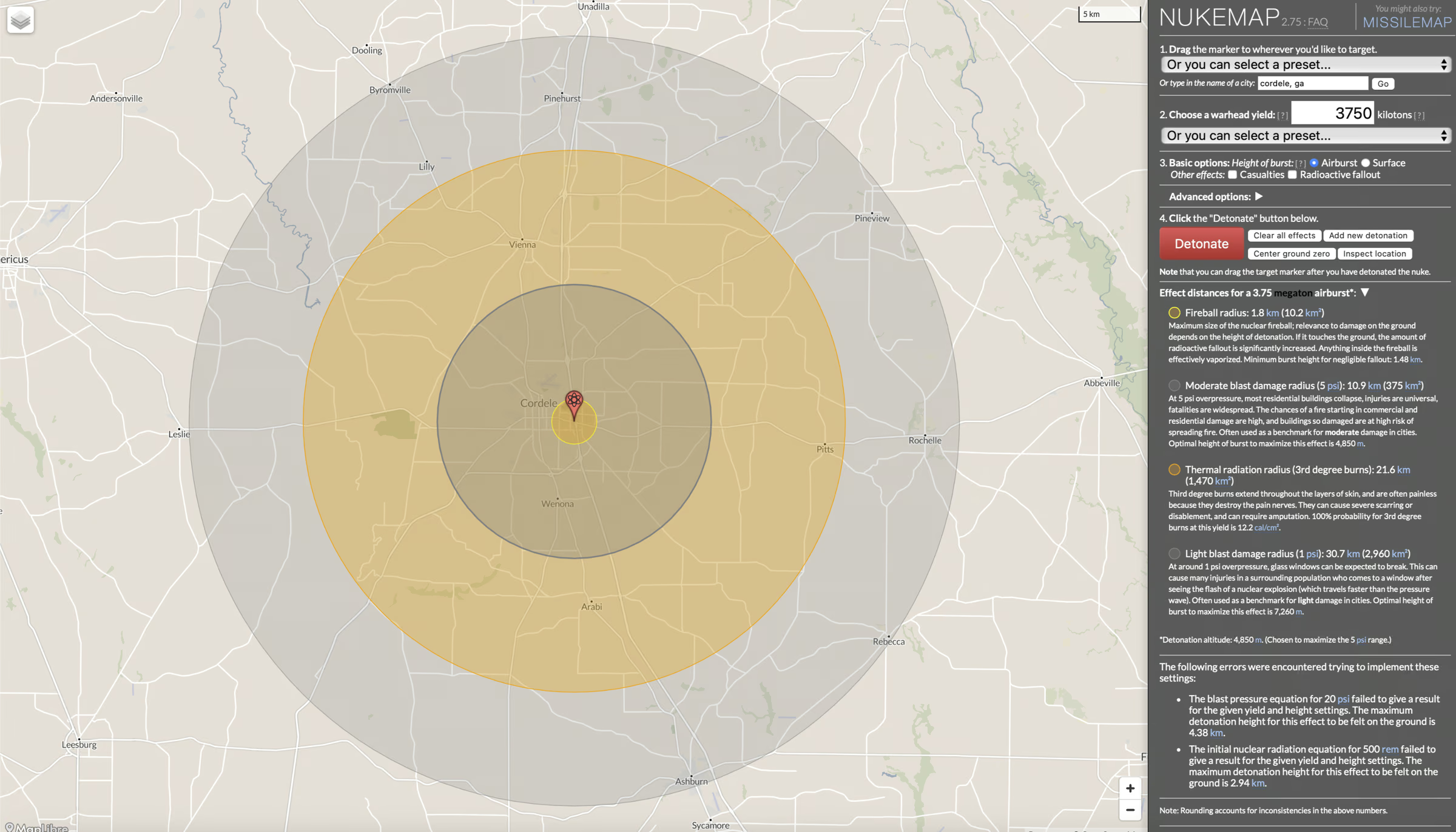
NukeMap
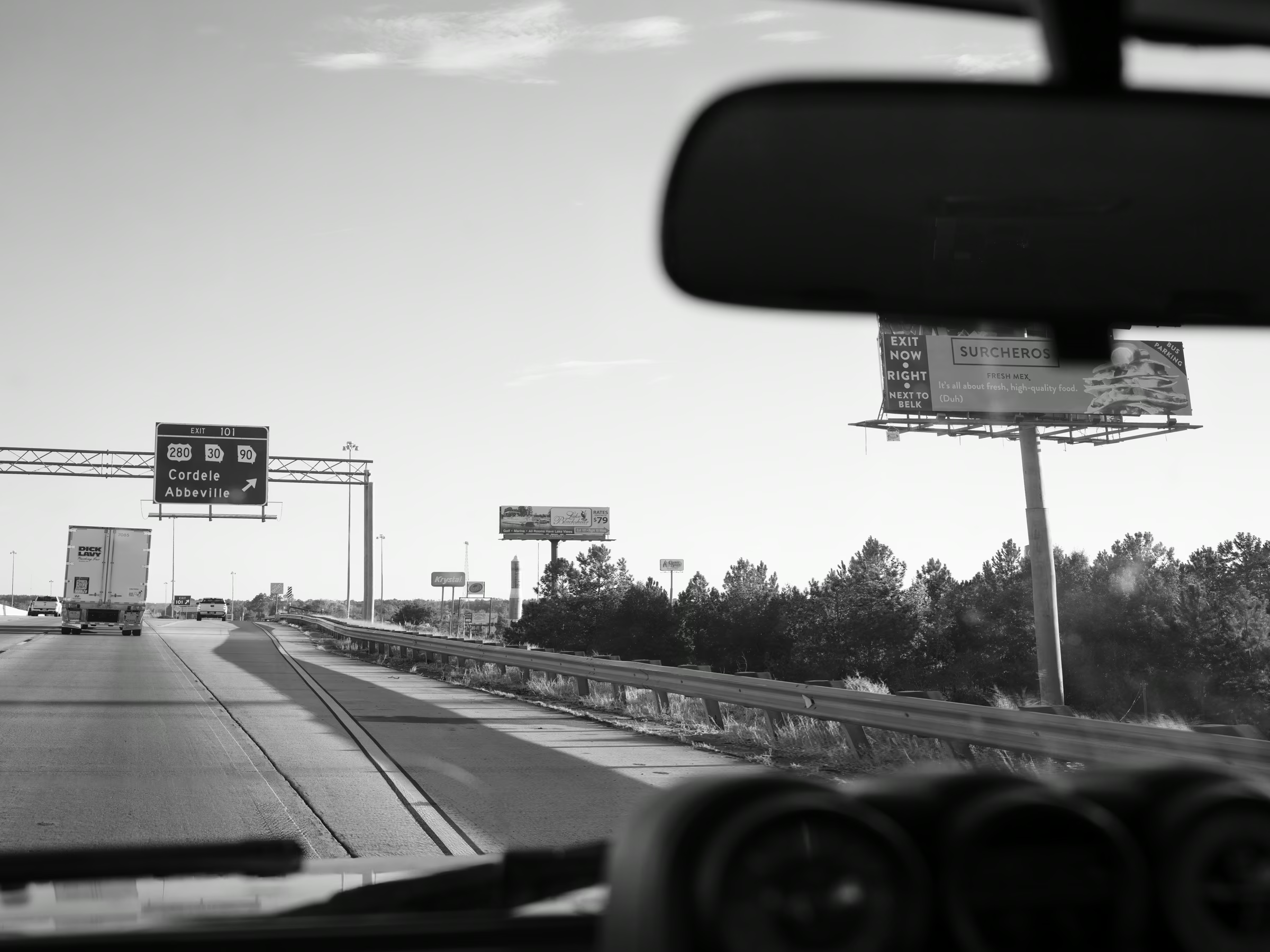
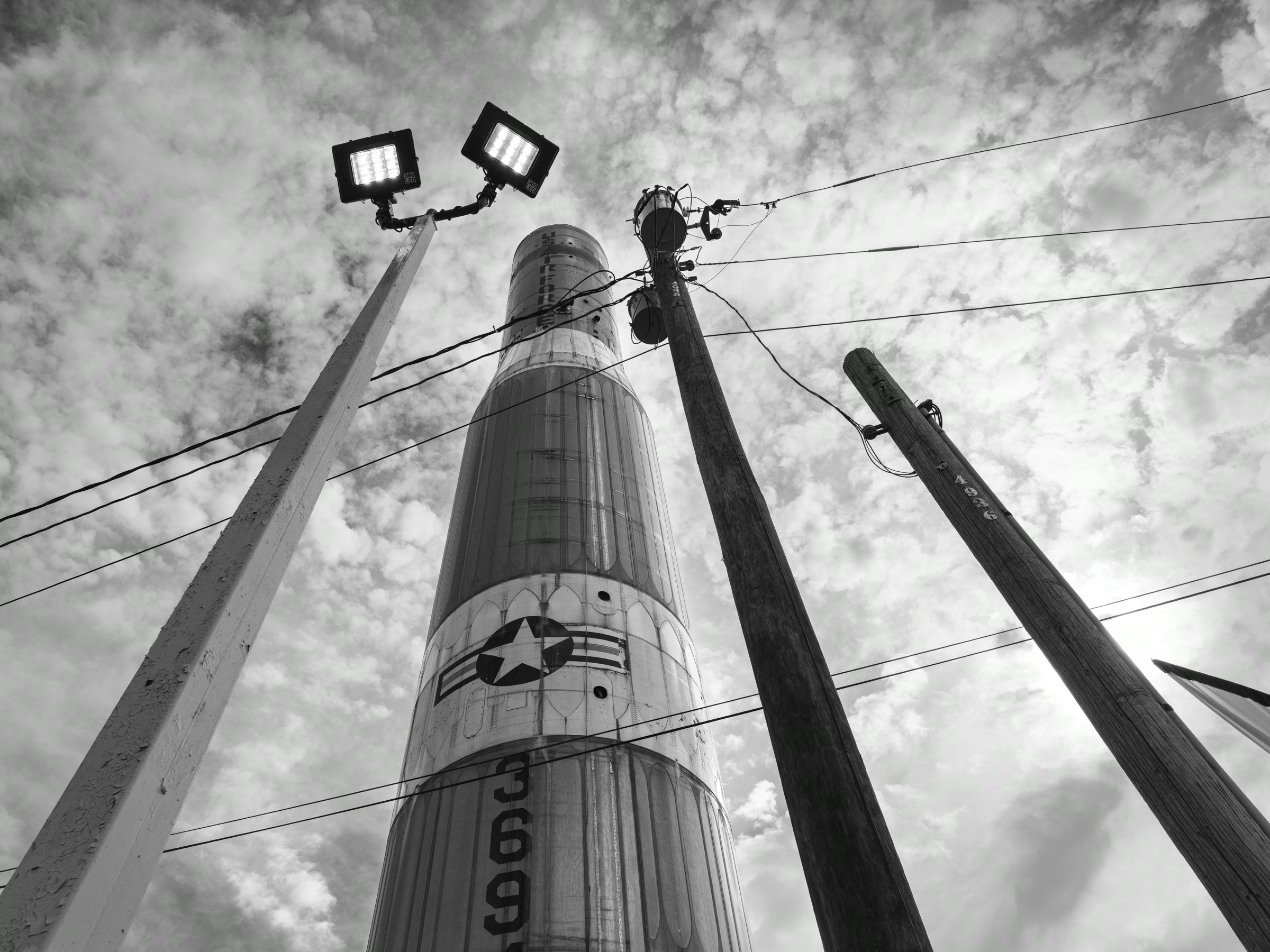
Simulated destruction of a Titan I adjacent to the parking lot of the Krystal restaurant, in Cordele, Georgia. Click on the map to change parameters.
Videos
These curated videos provide additional context for this weapon — showing test footage, deployment scenes, technical explanations, interviews, or other historical material, allowing viewers to go deeper into the weapon’s design, use, and place in nuclear history.
Further Reading
- Wikipedia, SpaceRef.com, Association of Air Force Missileers
- An overview of the Titan I missile from a personal point of view. Earl See worked on the Titan I as an aeronautical engineer and makes clear he understands that the audience for which he is writing (in American Aviation Historical Society Journal, in 2014) doesn’t have much interest in missiles. (Note: I encountered much the same in my encounters with ex-military personnel at museums. There’s no romance in missiles.)
- What do you do with the old Titan I missile sites? Start by looking at the blueprints.
- Astronautix has a list of launches using the Titan I.
- The Titan I was part of a family of missiles and rockets. HistoricSpacecraft.com has a graphic comparison.
- The MilitaryStandard.com has a mini-website dedicated to the Titan I.
- Richard Walter shares a short anecdote of getting knocked down and thinking he was dead when one of the Titan I’s being tested exploded on the launchpad.
- Ellsworth Air Force Base has an overview of the Titan I with a focus on the problems with the fueling system.
- A site plan is available at the Library of Congress site.
- The Augusta Chronicle has a drone video of the Cordele Titan I and a little more history on it here, here, and here.