Trinity
The Birth of the Nuclear Weapon
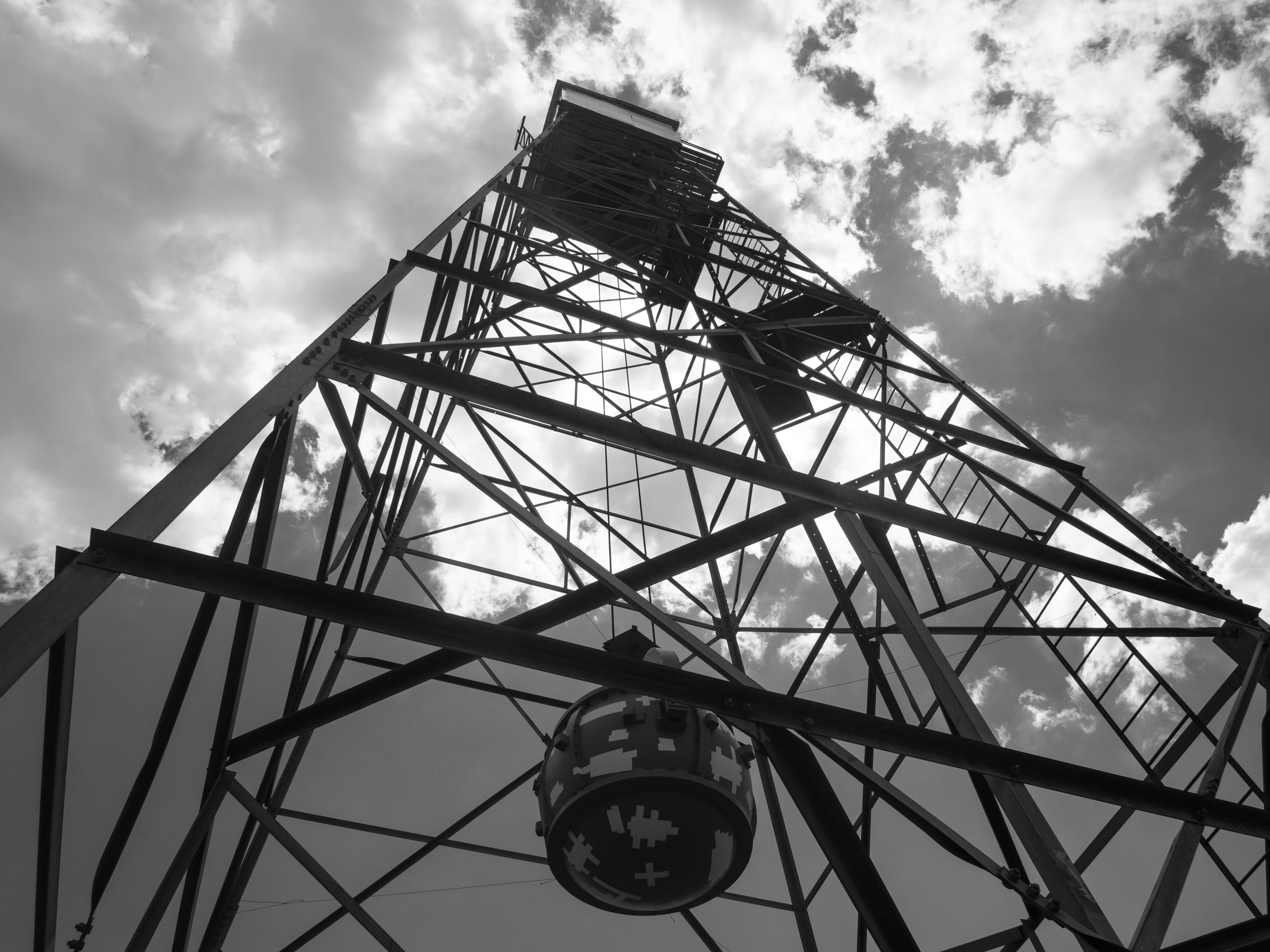

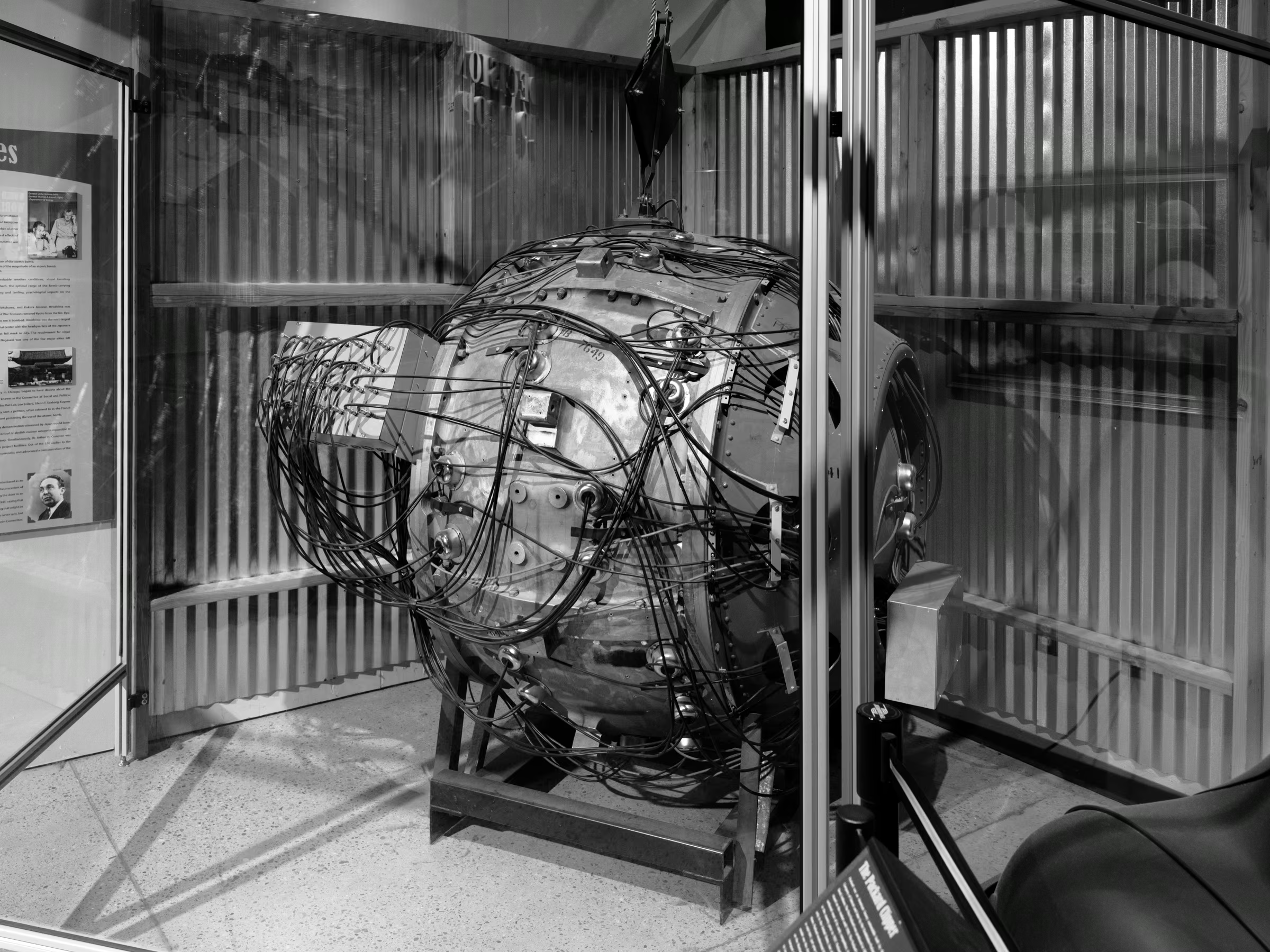
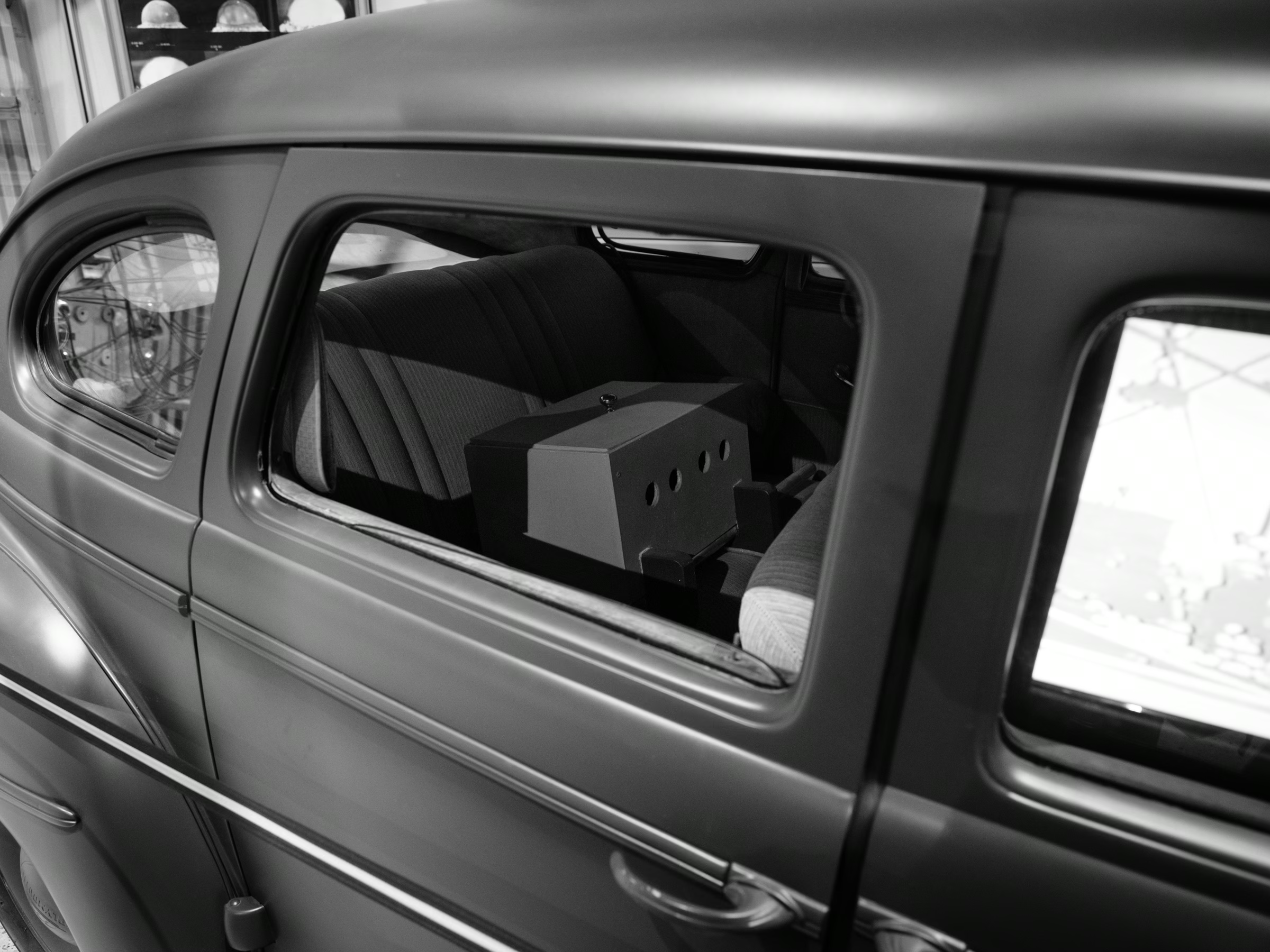
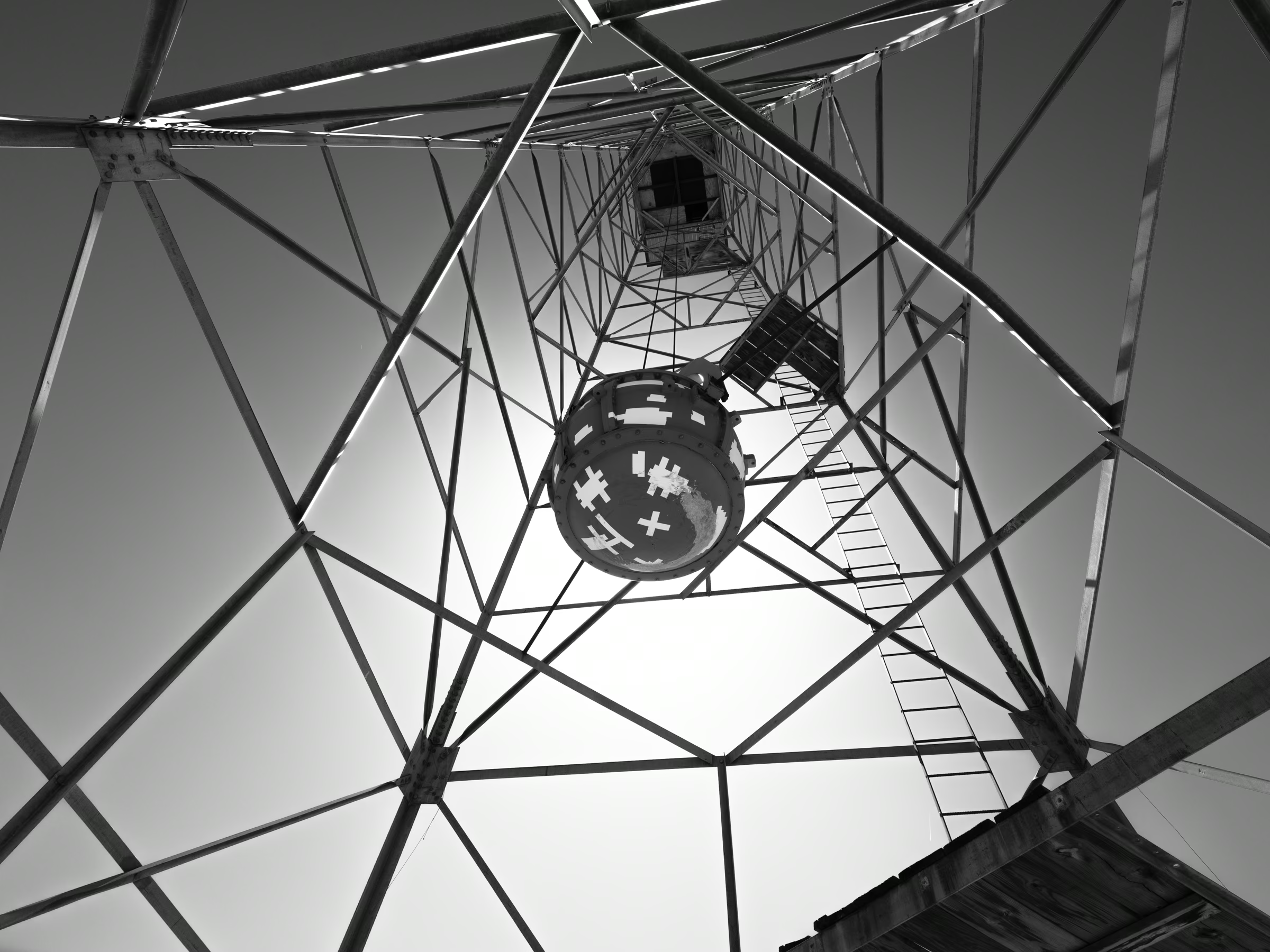
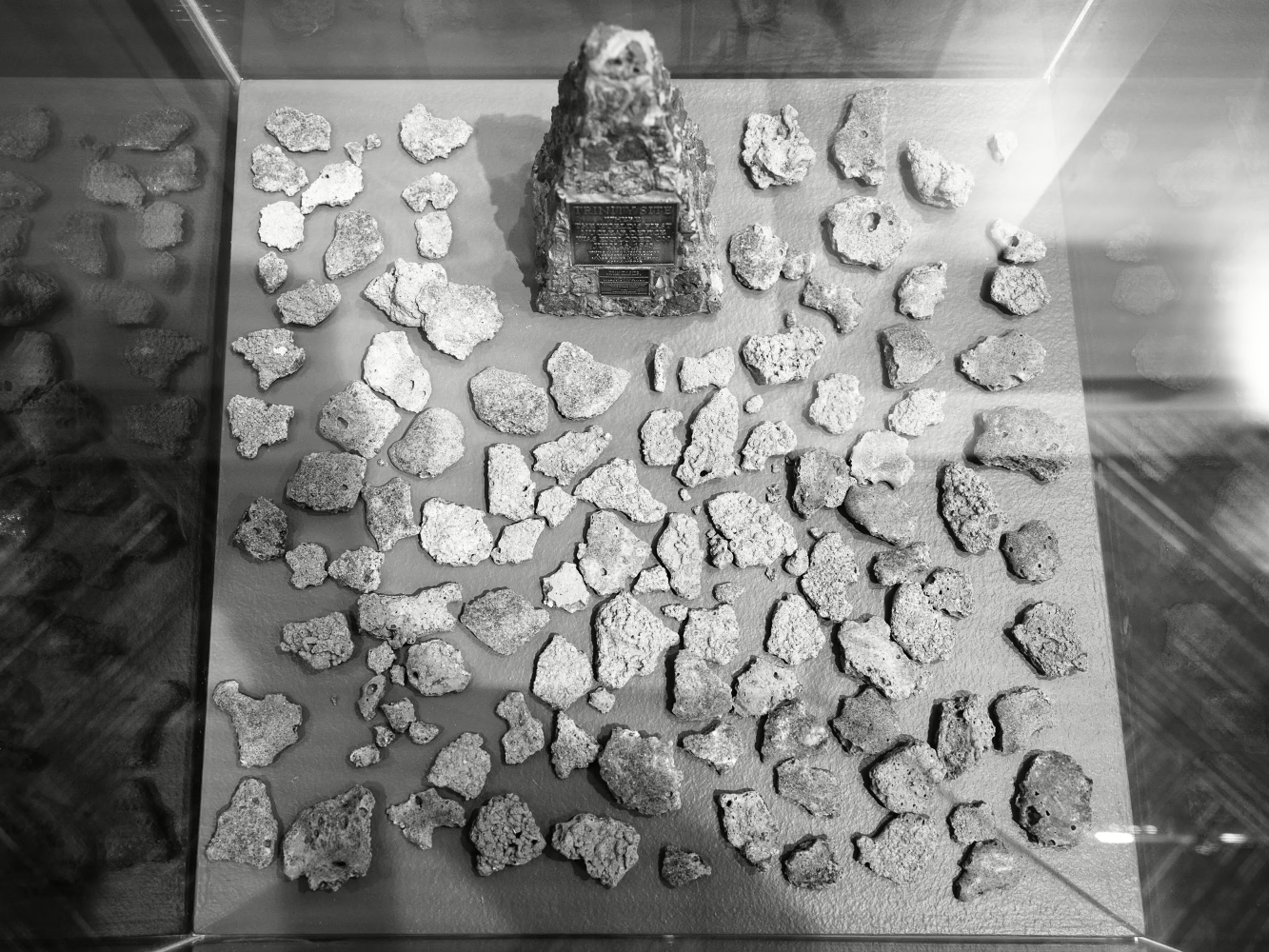
Weapon Specifications
Note that the relationship between explosive power and destruction is not linear—a weapon’s destructive effects grow far more slowly than its explosive power.
Explosive Power
24.8 kt
Hiroshima Equivalent Factor
1.65x
Dimensions
Approx. 5 feet (spherical)
Weight
Approx. 4 tons
Year
1945
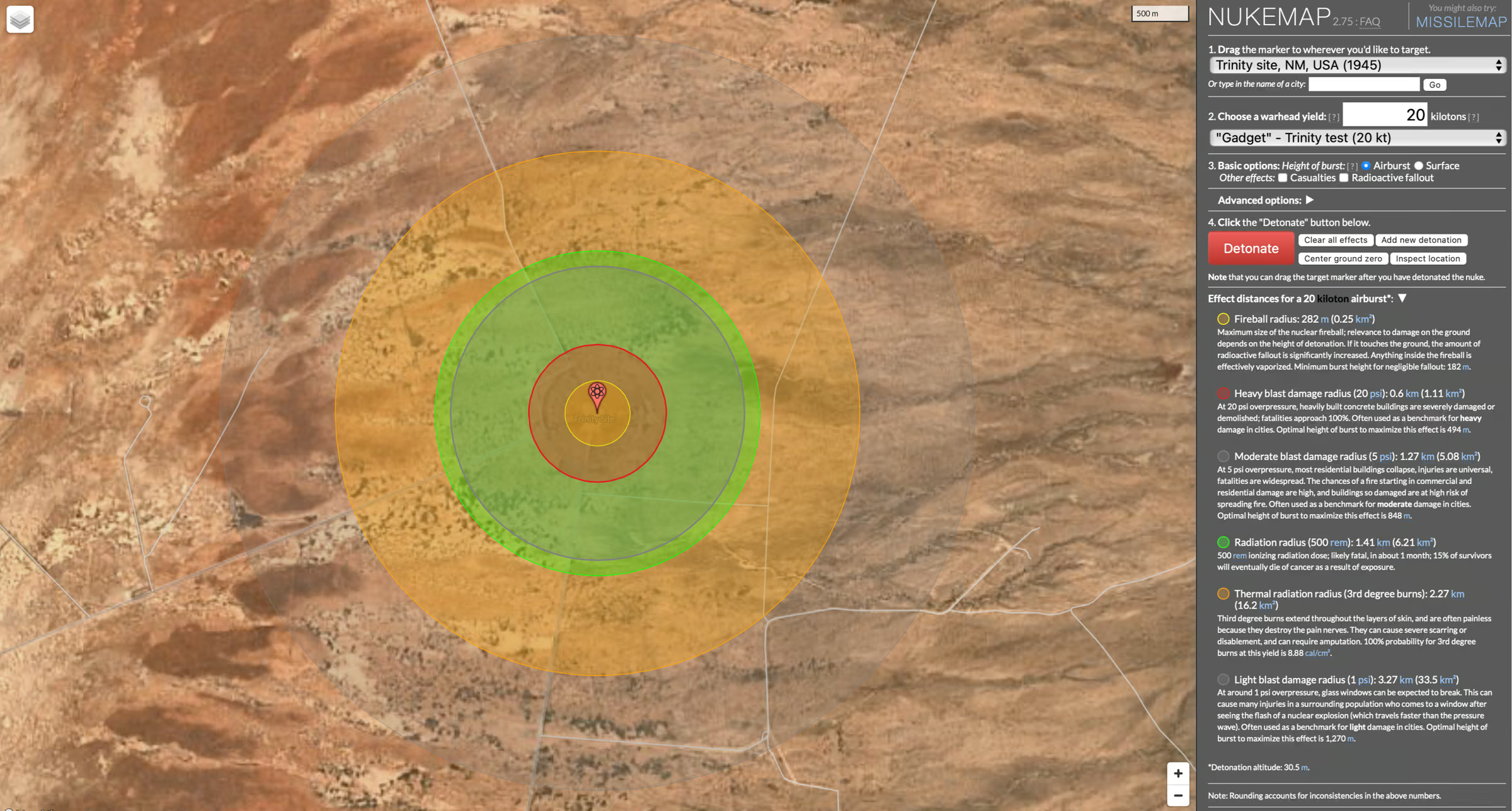
NukeMap
Simulated destruction of the Trinity Device at the Trinity Ground Zero Obelisk, in the Alamogordo Desert. Click on the map to change parameters.
Videos
These curated videos provide additional context for this weapon — showing test footage, deployment scenes, technical explanations, interviews, or other historical material, allowing viewers to go deeper into the weapon’s design, use, and place in nuclear history.
Trinity Atomic Test complete takes, 2:17
From Atom Central: Although many rolls of 16mm film were exposed on the Trinity test, 3 rolls of 35mm black and white film were run where were called Newsreel rolls. These are the most famous shots of the Trinity test as they were photographed for unclassified distribution.
I inserted slates to identify each roll. The wide shot uses a 75mm lens, the second shot uses a 450mm telephoto lens and is aimed near the bottom of the explosion. The last shot is with a tighter telephone lens aimed at the barrage balloons.
Trinity Test Latest HD Restoration, 1:48
From Atom Central: Original Trinity Footage restoration includes removing dirt and scratches and minimizing some defects in the processing of the original negative. Three shots include a wide shot, a medium shot and a close up scanned from the 35-mm original negative.
Capturing the Trinity Test, 2:34
From AtomicHeritage: Manhattan Project photographer Berlyn Brixner recalls being stunned by the large explosion of the Trinity Test.
Visiting the Trinity Atomic Bomb Test Site – White Sands Missile Range, 8:08
From Sidetrack Adventures: The Trinity Test Site, where the first nuclear bomb in history was detonated on July 16, 1945, is open to visitors twice a year. On the first Saturday in April and October the site, which is located on the US Army’s White Sands Missile Range in New Mexico, visitors can walk the ground where the first atomic bomb was detonated. At the site there is a monument to the test and trinitite, a glassy substance created by the melting desert, can still be found.
Trinity Test Preparations (Full), 1 hour.
From Atomic Heritage: This compilation of several silent videos, in both color and black and white, shows the preparations at the Trinity site for the detonation of the Gadget plutonium bomb. The films include the construction of the tower that housed the device and the transportation of Jumbo, the enormous cylinder intended to contain the Gadget and prevent the loss of plutonium if the test failed. The video also includes footage of the Trinity test.
Further Reading
- Wikipedia, Atomic Archive, and the Atomic Heritage Foundation.
- The Day the Sun Rose Twice, by Ferenc Morton Szasz, University of New Mexico Press, 1984. It’s probably the definitive account.
- “A Few Words About This Picture,” Innovation and Technology, 1990
Initially, the Trinity “gadget” was going to be encased in a containment vessel to preserve the scarce plutonium in case the high-explosives in the device detonated but failed to produce a nuclear explosion. See also the photographs of Jumbo, the containment device, at the Atomic Archive. - “The First Atomic Bomb Mission: Trinity B-29 Operations Three Weeks Before Hiroshima,” Air Power History, Winter 2013. Aircrews observing and measuring Trinity and preparations for the nuclear test—including the detonation of 108 tons of TNT “seeded with small amounts of radioactive product”—at the Trinity site.
- Visit the site of the Trinity Explosion
Once a year the U.S. Army allows public access to the Trinity site. Be sure to watch the informational videos.